
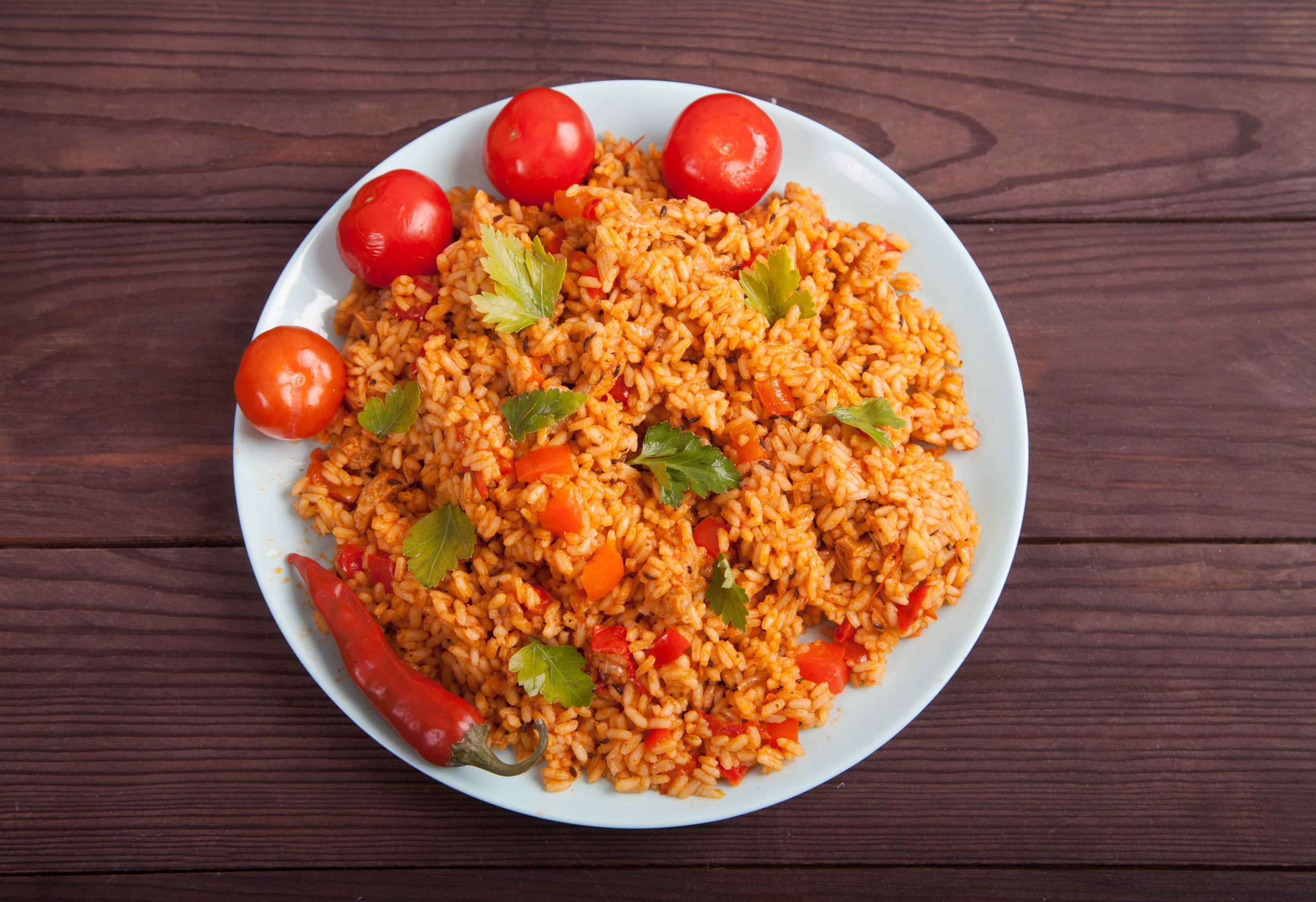
Most likely, if you’re Nigerian, you already have an opinion on the great Jollof Rice debate, and you’re sure that your country cooks the best. But travel has a way of softening our culinary pride. Stepping beyond borders, tasting Jollof in different African kitchens, you begin to see that this dish is more than just rice and stew. It is a cultural conversation, a battleground of flavor, and for many Africans, a source of national pride plated with every spoonful.
Jollof is music in your mouth, and across West Africa, every country claims to have the best rhythm. If you are planning your next trip and want your taste buds to lead the way, this guide will point you to the top African countries serving up unforgettable Jollof experiences.
Don’t forget that you can be loyal, but you must also be curious. In fact, stay loyal!
Nigeria
Let’s start at home; Nigerian Jollof Rice is often the benchmark. It’s loud, confident, and unapologetically spicy, similar to Lagos traffic on a Monday morning. Cooked with rich tomato paste, scotch bonnet peppers, curry, thyme, bay leaves, and sometimes a touch of crayfish, Nigerian Jollof owns the room. It’s cooked to impress, to feed a crowd, and to bring people together over smoky party plates.

Most of the time, “Party Jollof” is cooked over firewood and is THE crown jewel. That burnt crunch at the bottom of the pot? That is amazing. It has a taste that goes down your throat, stays in your chest, and makes you want more. If you grew up with this, it is hard to think of a better version. But if you are brave enough to try Jollof somewhere else, you’ll be amazed at how different it can be and still be beautiful.
Ghana
Crossing over to Ghana, the Ghanaian Jollof takes the mic with a calm, confident voice. It’s softer, slightly sweeter, and often cooked with jasmine rice, giving it a fragrant edge. It is mostly the tomatoes and some pepper. The seasoning is mostly garlic, ginger, and bay leaves. Together, they make a comforting, multilayered flavor that slowly wins you over. Ghanaians eat Jollof on Sundays with grilled tilapia, plantains, or eggs. It does not shout. It simmers. If you are used to the spicy Nigerian Jollof, the Ghanaian version might taste mild at first.
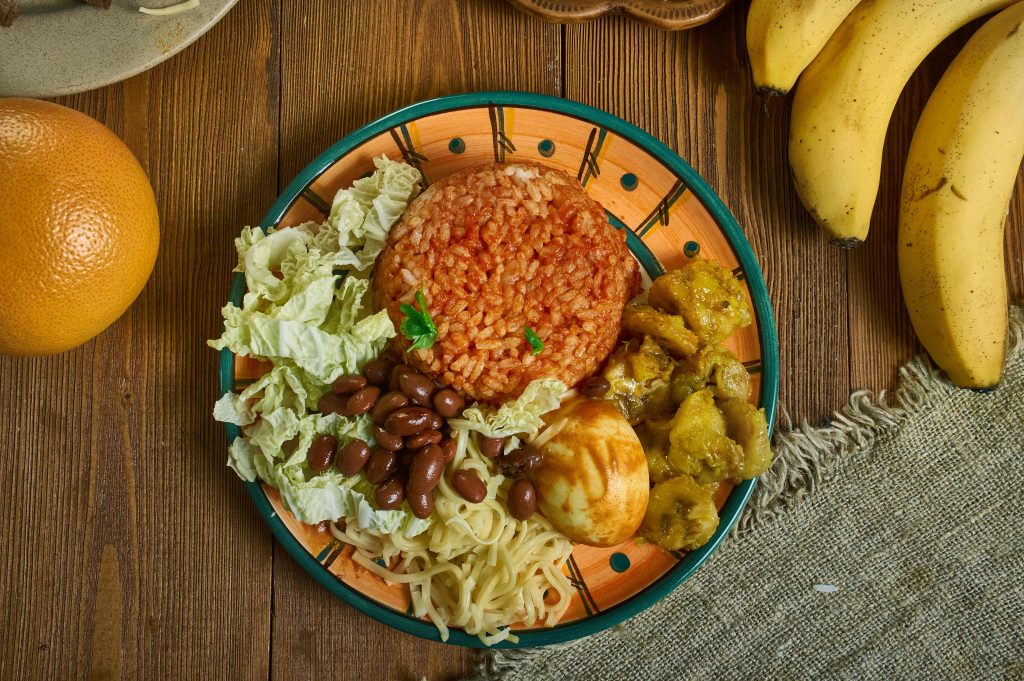
However, if you give it some time, you will enjoy its calm confidence and careful attention to balance.
Sierra Leone
Sierra Leone does not often feature in the mainstream Jollof battles, but their version is a hidden treasure. The dish has a lot of depth, almost like a stew, thanks to the meat stock and the different spices that are added. Sierra Leonean Jollof is made with long-grain rice and sometimes palm oil. It is smoky, rich, and very filling.
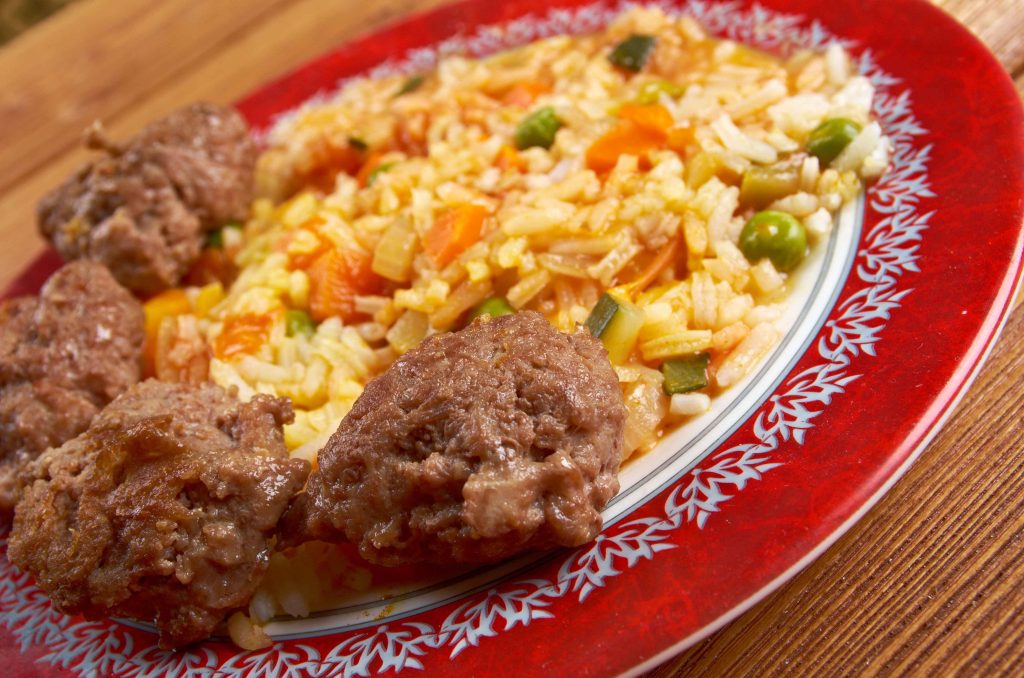
There is nothing flashy about it, but there is something powerful about it. You’ll taste how the onions, Maggi cubes, pepper, and meat drippings in the base build up the flavors into a Jollof that sticks to every grain. This food makes you feel like you’re at home, even if you have not been there. If you are a traveler who wants to try something other than the big names, this is the dish that will really surprise you.
Senegal
Senegal is where “Thieboudienne” is thought to have been created and is thought to be the mother of all Jollof. That being said, this is not the Jollof you grew up eating. The ingredients are more daring: fish, cassava, carrots, cabbage, eggplant, and tomato-rich rice are all cooked together. It’s a one-pot meal that tastes more like a party than a side dish.
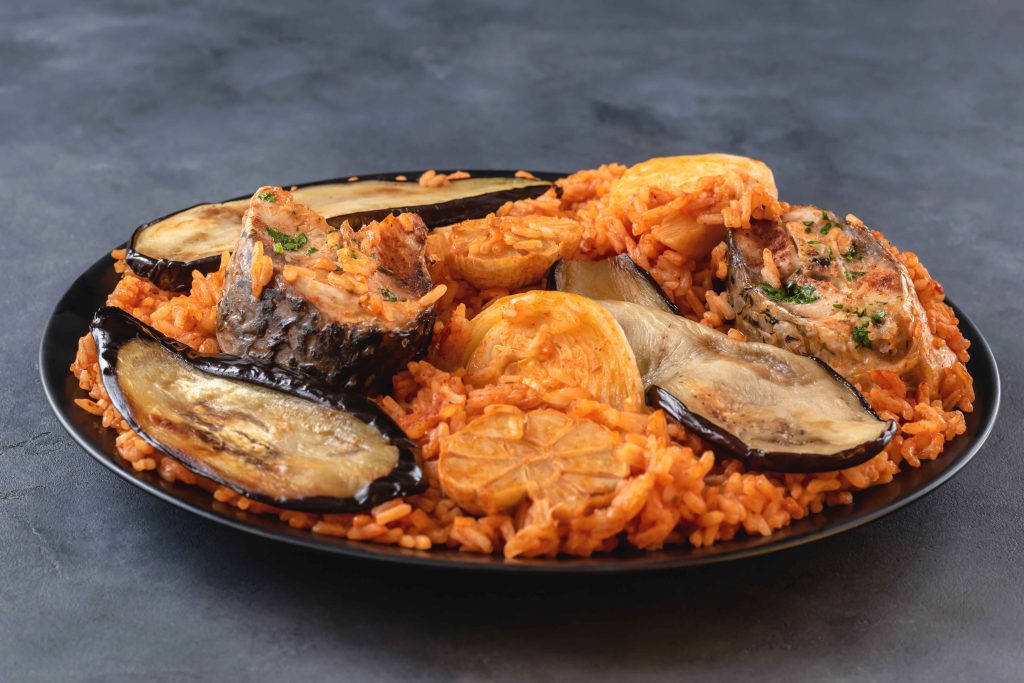
The unique things about Senegal’s Jollof are how earthy and complex it is. Most of the time, the fish is smoked or fried, which gives it a deep, savory base. The vegetables soak up all the sauce. It is a cultural immersion. If you are from Nigeria, it might taste unfamiliar at first, but if you go to Dakar and try it fresh, you will know why it is important to talk about it when you talk about Jollof.
Liberia
In Liberia, Jollof is a way of life. Their version leans heavily into tomatoes, with lots of onions and bell peppers to round it out. Most of the time, it has a lot of goat, chicken, or fish meat and isn’t too spicy. Some people even add carrots or peas to make it a little sweeter and more colorful.
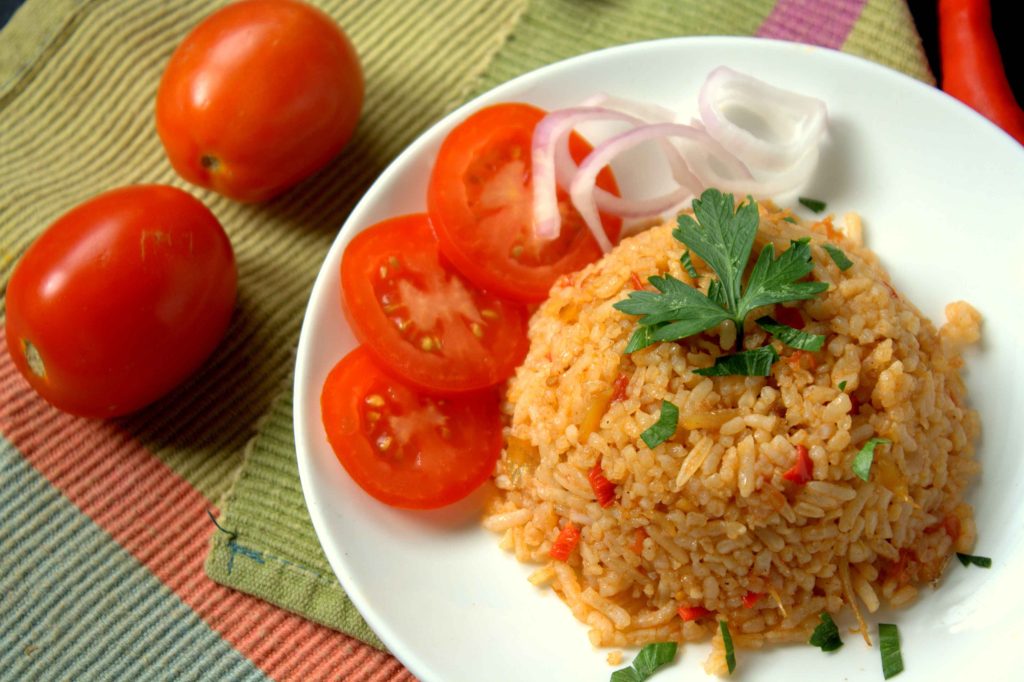
The taste of Liberian Jollof is sweet and comforting. It’s often served at family gatherings, and even though it’s not the spiciest, it makes you feel warm and full. It might feel a little softer on the tongue if you’re Nigerian, but that’s what makes it unique. It’s hearty and honest.
The Gambia
The smallest country on the African mainland has one of the most unique ways of interpreting Jollof. In The Gambia, tomato stew and groundnut paste are often mixed together to make a dish with a rich, slightly creamy texture. Gambian chefs often toast raw peanuts before grinding them. This lets the oils come out and mix with the warmth of the scotch bonnet. For bulk, they add sweet bell peppers and chunks of cassava or butternut squash.
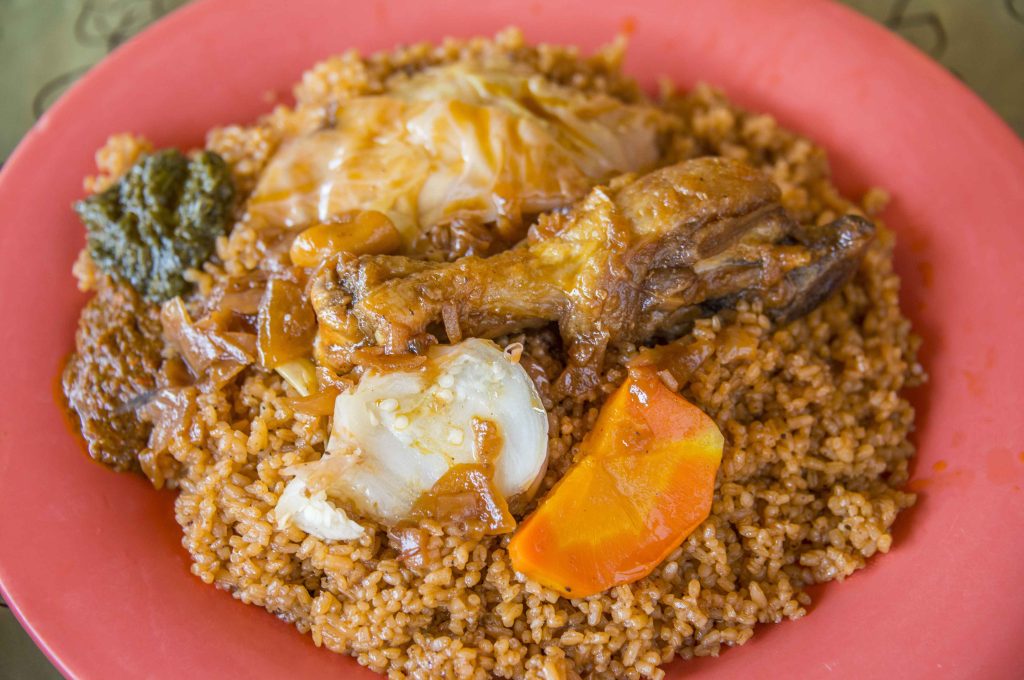
The final rice turns a little darker, and the nutty undertones blend with the sourness of the tomato to make a flavor that will stay with you and earn respect at any West African table.
Cameroon
Even though Cameroon has not been at the center of the Jollof debate in the past, its version that reflects its bilingual heritage has become more popular. When French cooking methods are combined with ingredients from Central Africa, a stew is made that tastes better with thyme, white pepper, and sometimes djaale, which is smoked ground crayfish. Diced sweet corn and green beans were sautéed and added to the mix. They gave it color and crunch.
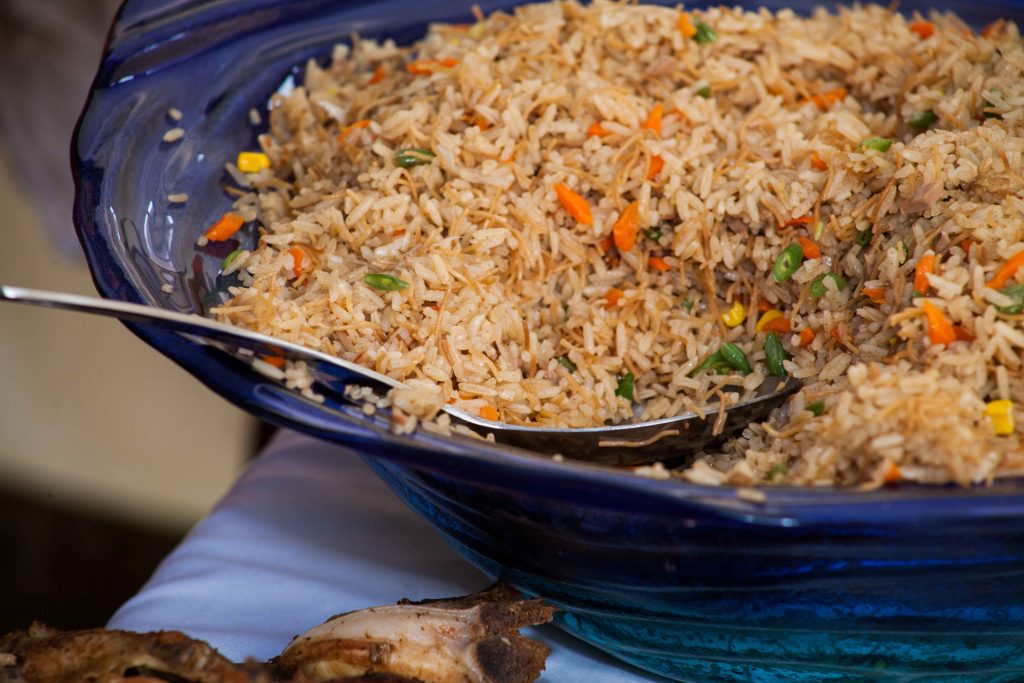
Cameroonian Jollof has a softer texture, almost like risotto, than the firmer grains that are popular in other places. It is often compared to jambalaya. The last squeeze of lime makes it stand out, bringing out the flavors of the spices and honoring the country’s tropical bounty.
Final Verdict: Can There Really Be a Winner?
Jollof wars will never end and maybe that’s the point. Each country brings something unique to the table. Nigeria’s Jollof is dramatic and fiery. Ghana’s is calm and composed. Sierra Leone’s is deep and underrated. Senegal’s is historic and full-bodied. Liberia’s is warm and familial.
Each one tells a different story, and if you are lucky enough to travel across West Africa, you will realise that the best Jollof depends on the memory it creates for you.
So yes, defend your version. Brag. Argue. (Nigerian jollof is still the best.. hahahaha!)
But you should also taste, because Jollof is bigger than borders, and every country adds something special to the pot.
You might also like to read

20 best hotels in Ikeja near the airport (MM1 & MM2)
Reading Time: 12 minutesIf you’re looking for hotels in Ikeja near airport, it’s usually because you have a flight to catch or arriving late at MM1 (international), MM2 (domestic), and you don’t want Lagos to humble you with traffic on Airport Road. This article rounds up the 20 best hotels around the Murtala Muhammed Airport axis and breaks […]


10 Global Family-Friendly Vacation Destinations in 2026
Reading Time: 12 minutesLet’s be honest: planning a family holiday from Lagos can feel like a second job. Between school calendar, visa issues, and making sure your toddler won’t lose it on a 10-hour flight out of MMIA, you need Family-Friendly Vacation Destinations that are worth the stress. This guide breaks down the best family-friendly vacation Destinations in […]

Why You Should Visit Malaysia in 2026
Reading Time: 6 minutesIf Malaysia is not already on your travel list for 2026, it is time to change that. This vibrant Southeast Asian destination is a blend of cultures, flavours, and landscapes that feels like multiple adventures wrapped into one. Whether you are strolling through the futuristic skyline of Kuala Lumpur, exploring the colonial streets of Penang, […]