
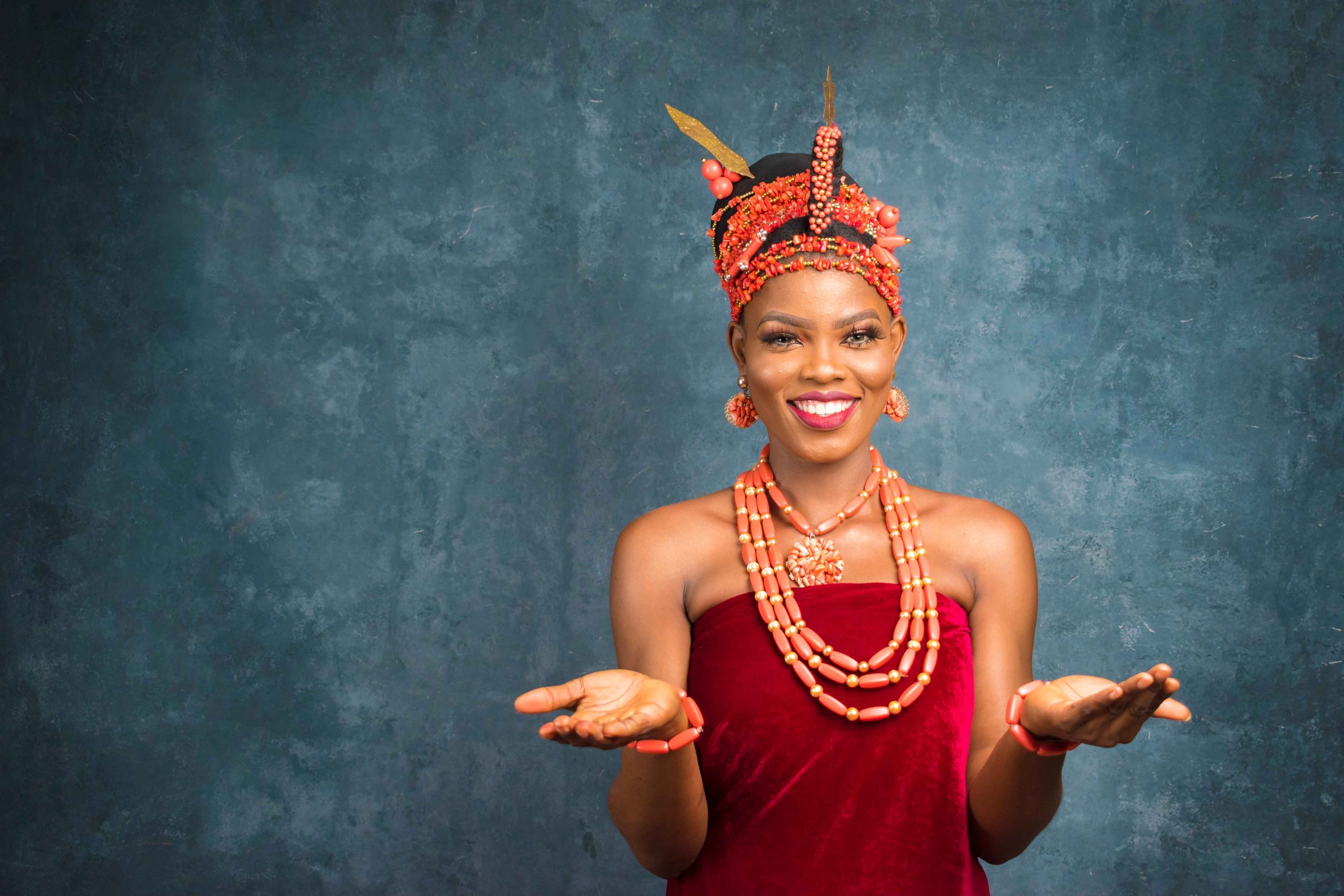
Nigeria is known as the “Giant of Africa,” not only for its size and economy but also for its incredible cultural diversity. With over 250 ethnic groups, Nigeria is a mosaic of languages, traditions, and histories. But Nigeria’s story does not end at its borders. When colonial powers drew the lines that shaped Africa’s map, they cut across ancient kingdoms, empires, and communities. As a result, many Nigerian tribes have cousins living in neighbouring countries. If you cross into Benin, Niger, or Cameroon, you’ll find familiar languages, foods, and festivals that feel like home.
For curious travellers and for Nigerians seeking to trace cultural ties, this overlap creates a fascinating opportunity. Exploring countries with similar tribes to Nigeria allows you to see how traditions survive, adapt, and blend across borders.
Here’s a guide to the main tribes that connect Nigeria with its neighbours, plus practical travel tips on where and how to experience these shared cultures.
1. Yoruba (Nigeria, Benin, Togo)
The Yoruba people are one of the largest ethnic groups in Nigeria, mostly found in the southwest (Lagos, Ibadan, Abeokuta, and Osun). But the Yoruba culture does not stop at the Nigerian border. In the Republic of Benin and parts of Togo, Yoruba communities thrive with similar traditions, from language to religion. Festivals like the Oshun-Osogbo Festival in Nigeria have parallels in Benin’s Voodoo celebrations, both rooted in ancient Yoruba spirituality.
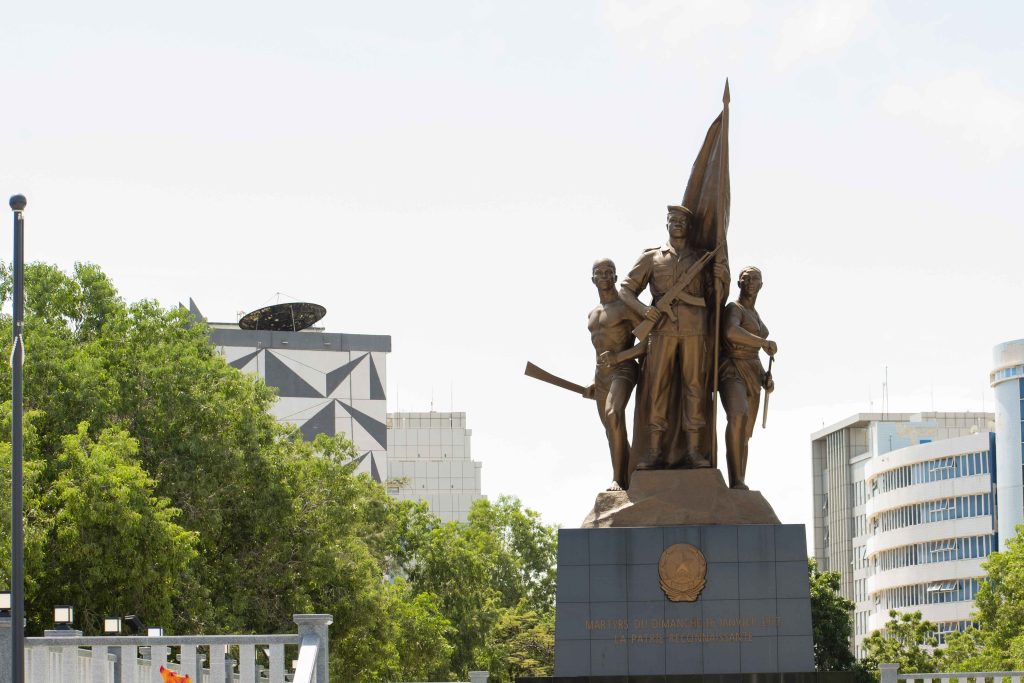
Travel tip: If you are in Cotonou (Benin), visit Porto-Novo, where Yoruba palaces and shrines showcase the deep cultural overlap.
2. Hausa-Fulani (Nigeria and Niger, Chad, Cameroon, Sudan)
The Hausa and Fulani are widespread across West Africa. In northern Nigeria (Kano, Sokoto, and Katsina), their culture dominates, but you will find strong Hausa and Fulani populations in the Republic of Niger, Chad, Cameroon, and even parts of Sudan. Shared traditions include the Durbar Festival (colourful horse parades), Islamic scholarship, and cattle-rearing practices among the Fulani nomads.
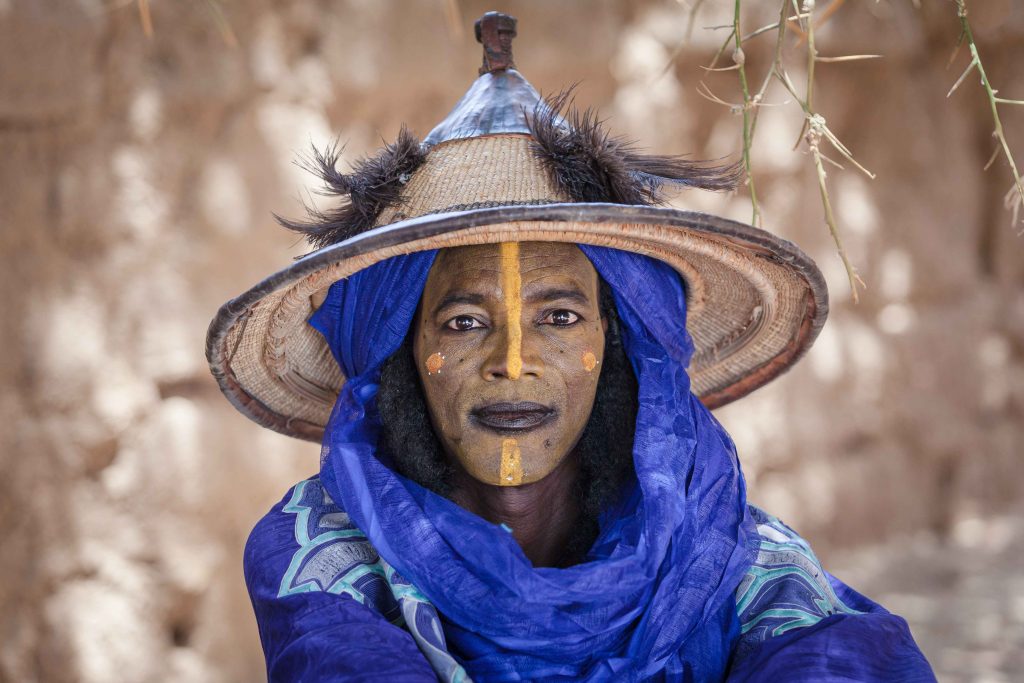
Travel tip: The Durbar Festival in Kano has sister versions in Zinder, the Niger Republic, and they are both exciting.
3. Kanuri (Nigeria, Niger, Chad, Cameroon)
The Kanuri people, once rulers of the mighty Kanem-Bornu Empire, live mainly in Borno State, Nigeria. Their cultural presence extends into Niger, Chad, and northern Cameroon. The Kanuri are known for their rich Islamic history, unique food (like millet-based dishes), and traditional attire.

Travel tip: In N’Djamena, Chad, you will meet Kanuri communities who share nearly identical traditions with those in Maiduguri, Nigeria.
4. Igbo (Nigeria, Equatorial Guinea, Cameroon)
The Igbo, famous for their entrepreneurship and vibrant culture, are concentrated in southeastern Nigeria (Anambra, Enugu, and Abia). However, Igbo communities also exist in Equatorial Guinea and Cameroon. Historical migration and trade spread their influence, and today, shared masquerade traditions and markets highlight this link.
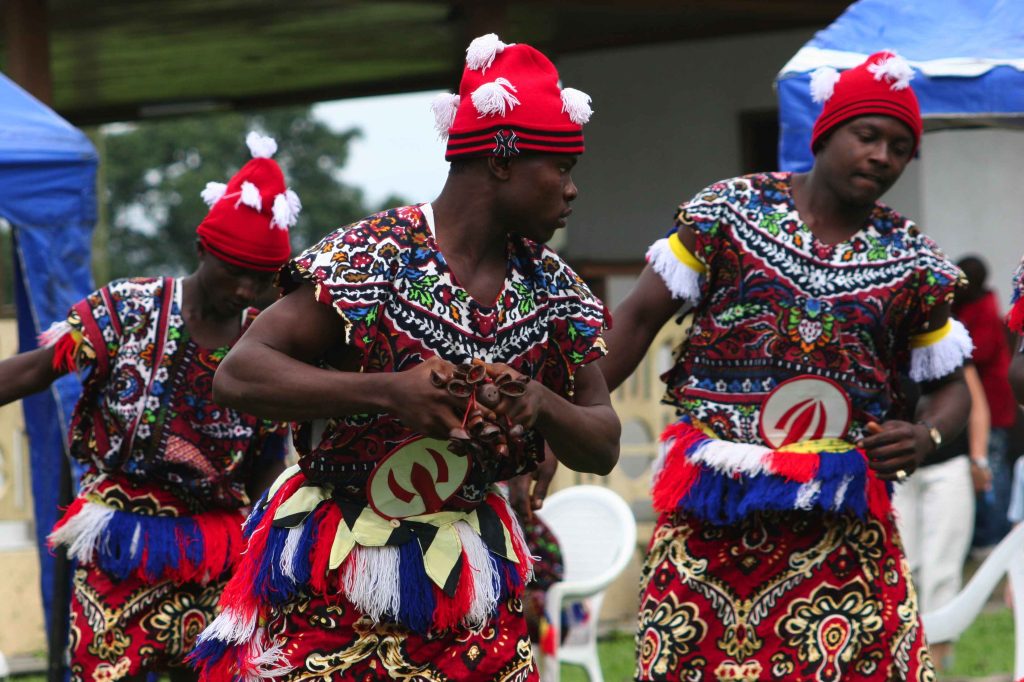
Travel tip: Cross into Cameroon’s Mamfe area, and you will hear Igbo dialects spoken in the markets, which is proof of centuries-old ties.
5. Efik/Ibibio (Nigeria and Cameroon)
The Efik and Ibibio of Nigeria’s Cross River and Akwa Ibom States share deep cultural ties with groups across the border in Cameroon. They have similar cuisines (like afang soup), masquerade festivals, and ancestral traditions. The Ekpe secret society, central to Efik culture, also operates in parts of Cameroon.
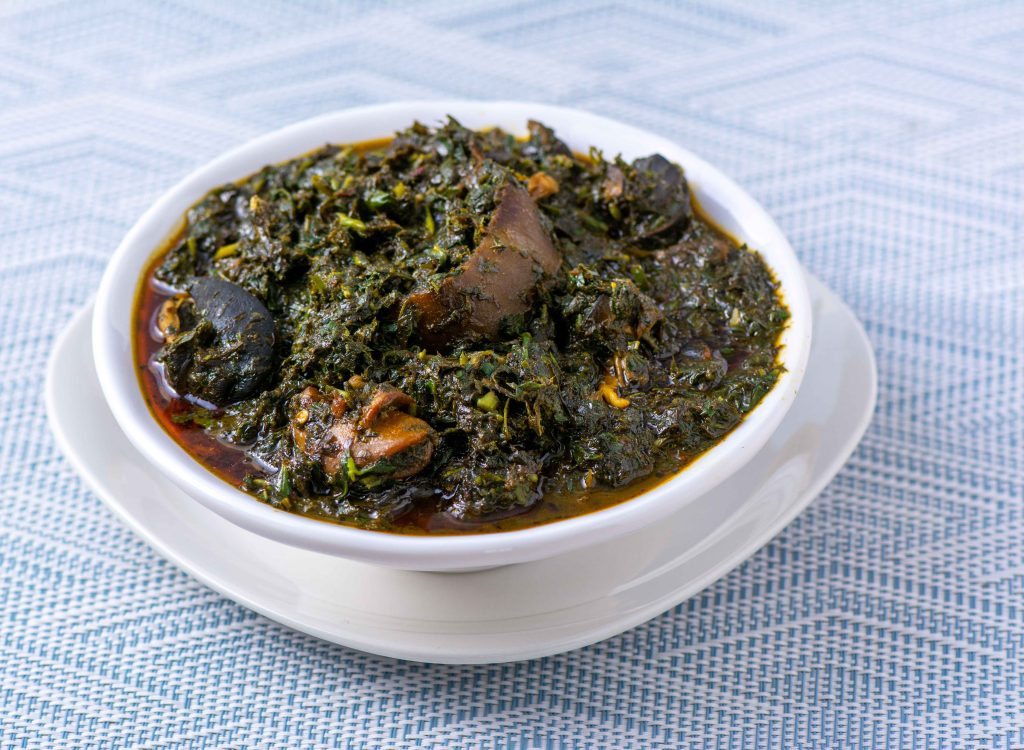
Travel tip: Visit Calabar’s Carnival in Nigeria and then explore Cameroon’s Cross River Basin towns, you will notice the shared cultural heartbeat.
6. Tiv (Nigeria and Cameroon)
The Tiv people, mainly in Benue State, Nigeria, also live in western Cameroon. Known for their rich storytelling, farming traditions, and distinctive black-and-white striped attire, the Tiv community has long maintained cross-border connections.
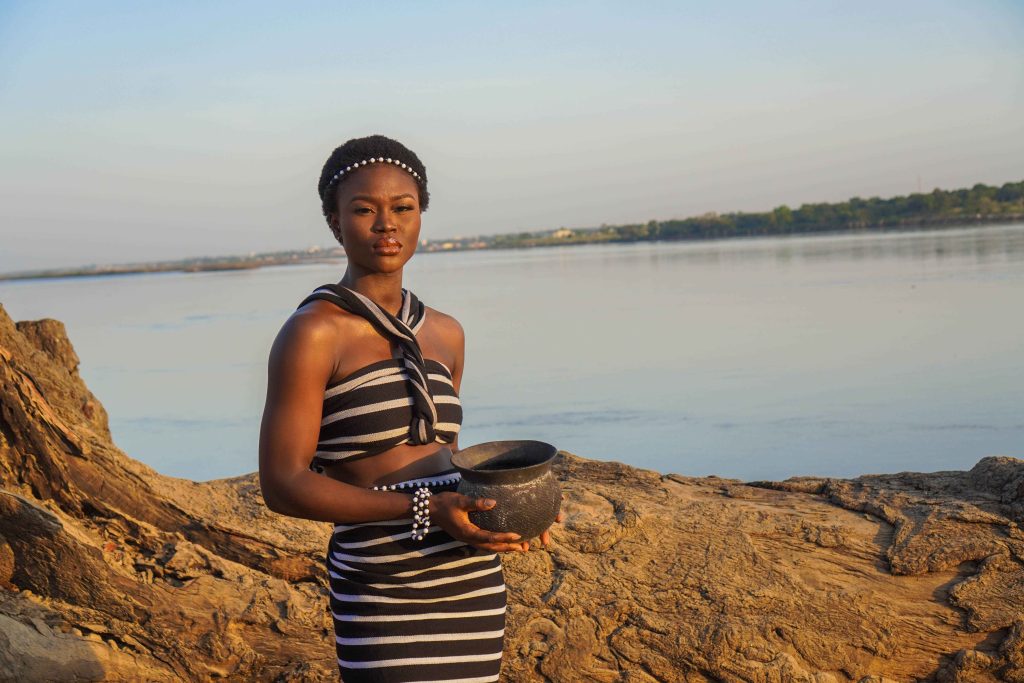
Travel tip: Join a Tiv yam festival in Benue, then travel to Cameroon’s Tiv villages for a similar celebration of agriculture and dance.
7. Edo (Bini) (Nigeria and Benin)
The Edo people, centered in Benin City, Nigeria, once ruled the powerful Benin Kingdom. Their influence extended into what is now the Republic of Benin. While not as widespread today, traces of Edo heritage are visible in the Republic of Benin’s traditional art and court rituals.
Travel tip: Nigeria’s Benin City Museum and the royal palace give rich insights, while a short trip into the Benin Republic offers echoes of the same heritage.
So, whether you are Nigerian looking to trace your roots abroad or a traveller eager to discover West Africa’s deeper stories, visiting these neighboring countries offers you an opportunity to walk through history that is both shared and alive today.
You might also like to read

Top Ten 5 Star Hotels in Abuja (With Location and Prices)
Reading Time: 9 minutesIf you are planning a trip to Nigeria’s capital city and looking for 5 star accommodation, you need information you can actually trust. Abuja is a city where government business, diplomatic meetings, and tourism come together, and the hotels here reflect that importance. But with prices ranging from just over ₦100,000 to nearly ₦450,000 per […]


Top Ten 5 Star Hotels in Lagos (With Location and Prices)
Reading Time: 9 minutesIf you are planning a trip to Lagos and looking for a 5-star hotel in Lagos, you already know how overwhelming the options can be. The city has more luxury hotels than anywhere else in Nigeria, and they all claim to offer the best experience. But how do you know which ones actually deliver? How […]

10 Fun activities to try in Lagos this Summer.
Reading Time: 13 minutesLet’s imagine this for a sec: It’s Friday evening, you’ve survived another week of 8 am stand-ups and Teams meetings. Every nerve in your body is screaming for something different. A different air quality, not made of Lagos humidity and exhaust fumes; a different sound besides your fan and the neighbour’s generator. You reach for […]