
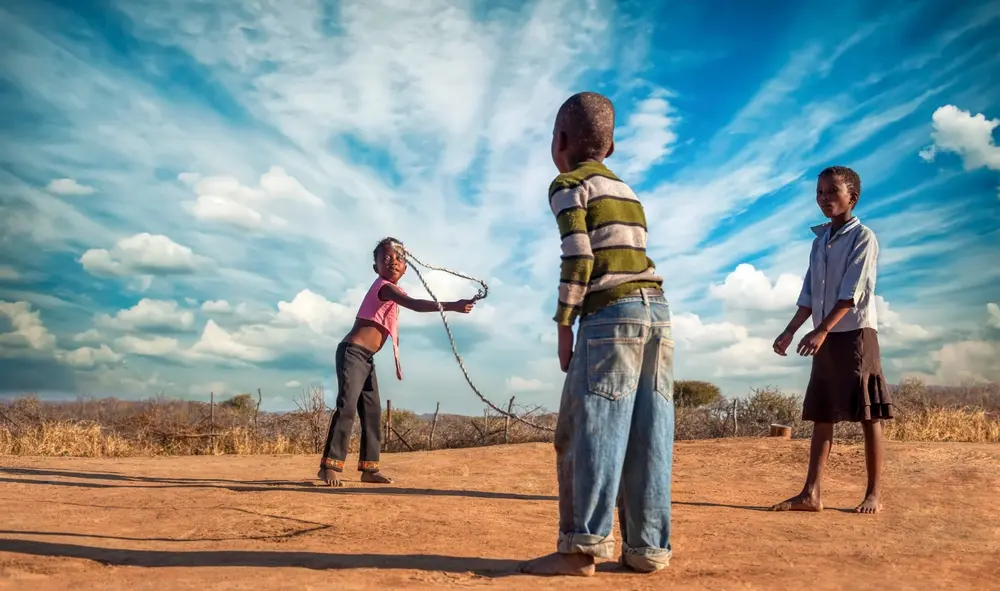
Southern Africa hides Botswana in its middle. It feels like a secret that only experienced travellers know about. Botswana is a great place for Nigerians to see Africa’s natural beauty at its purest. It has untamed wilderness, friendly people, and amazing things to do. It is not as well-known or flashy as South Africa or Kenya, but that is what makes it unique: it is a land of quiet wonders and soul-stirring adventures. From the clear waters of the Okavango Delta to the vast, untamed stretches of the Kalahari Desert, this landlocked country is a great place to get away.
Whether you have travelled before or this is your first time, Botswana has a spiritually calming vibe. And if you are from Nigeria and want to do something different from the usual trips to London or Dubai, Botswana could be the African destination you have been waiting for.
How to Get to Botswana From Nigeria
Getting to Botswana from Nigeria requires careful planning, especially if you are flying from Lagos or Abuja. There are currently no direct flights, so you will most likely have a stopover in Johannesburg, Addis Ababa, or Nairobi before connecting to Sir Seretse Khama International Airport in Gaborone, the capital of Botswana.
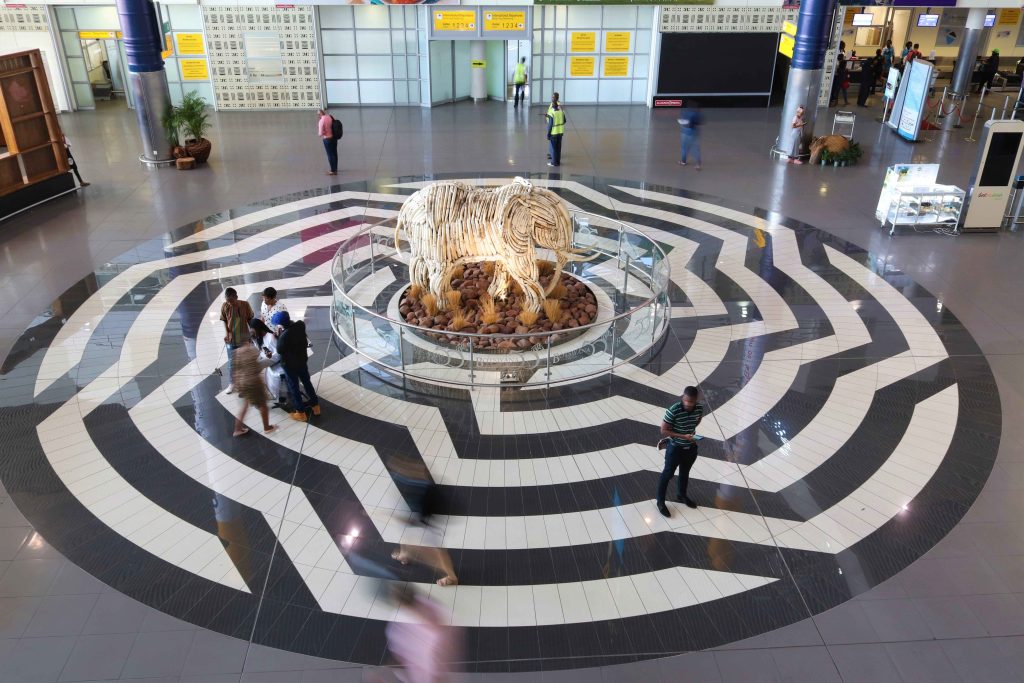
The most efficient route for many travellers is through South African Airways or Ethiopian Airlines. The journey can take anywhere from 13 to 20 hours, depending on layovers. For those looking for convenience, a flight with a single stop in Johannesburg, followed by a short haul to Gaborone or Maun, is ideal.
If you are planning a safari, landing in Maun Airport puts you right at the gateway to the Okavango Delta.
Visa Requirements for Nigerians Visiting Botswana
Nigerian passport holders require a visa to enter Botswana. However, the process is relatively straightforward compared to some other countries. You will need to apply through the Botswana High Commission in Abuja. As of now, e-visas are not available, so physical submission is required.

Make sure your international passport has at least six months’ validity, and prepare documents like your return ticket, hotel bookings, proof of funds, and a travel itinerary. The standard processing time is 7 to 10 working days, but during peak travel seasons, it may take a bit longer. It is advisable to apply at least a month in advance of your travel date. Even though Botswana is not part of Schengen or ECOWAS, getting a visa is not too hard, and the reward on the other end is worth the trouble.
Best Time to Visit Botswana for Nigerians
Botswana is a year-round destination, but the experience shifts dramatically depending on the season. The dry season (May to October) is perfect for Nigerians escaping the rains back home. Wildlife gathers around rivers and waterholes at this time, making game viewing in the Okavango Delta and Chobe National Park especially exciting. Botswana is a green paradise during the wet season (November to April), whether you want to watch birds or just enjoy the scenery.
Despite this, seasonal flooding can make travel harder, especially in the delta areas. Nigerians used to tropical climates may prefer the dry months. These months are also ideal for going on safaris.
Where to Go: Top Places to Visit in Botswana
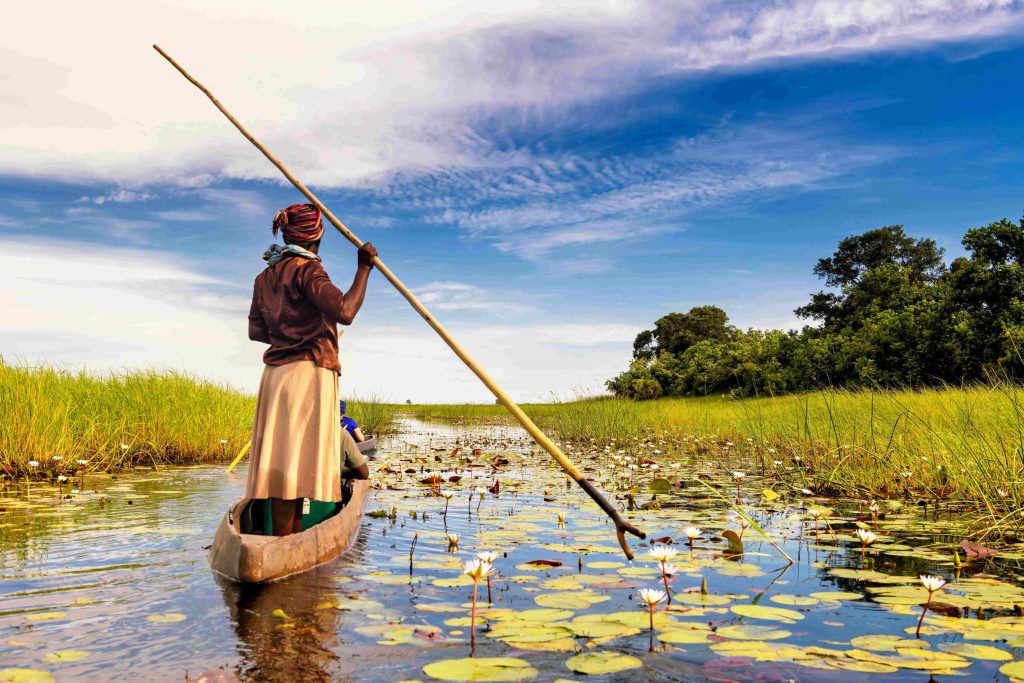
If you want to see Botswana, you should not stay in the cities. There is real magic in its wild heart. The Okavango Delta is without a doubt the main attraction. It is an inland delta and a UNESCO World Heritage Site. Visitors can enjoy dugout canoe rides, bush walks, and excellent wildlife viewing. Chobe National Park, near the borders with Namibia, Zambia, and Zimbabwe, is famous for having one of the largest elephant populations in Africa. You can take a river cruise on the Chobe River and witness elephants bathing right beside your boat.
The Kalahari Desert and Makgadikgadi Salt Pans are like a dream for people who love deserts. There are wide open spaces, meerkats, and one of the clearest skies in Africa, where you can see the stars.
Cultural Highlights and What to Expect
Botswana might be wild, but it is also deeply cultural. The people, known as Batswana, are warm, respectful, and proud of their heritage. As a Nigerian, you will find a sense of shared African identity, but with fascinating differences in language, food, and social customs. Setswana is the national language, though English is widely spoken.
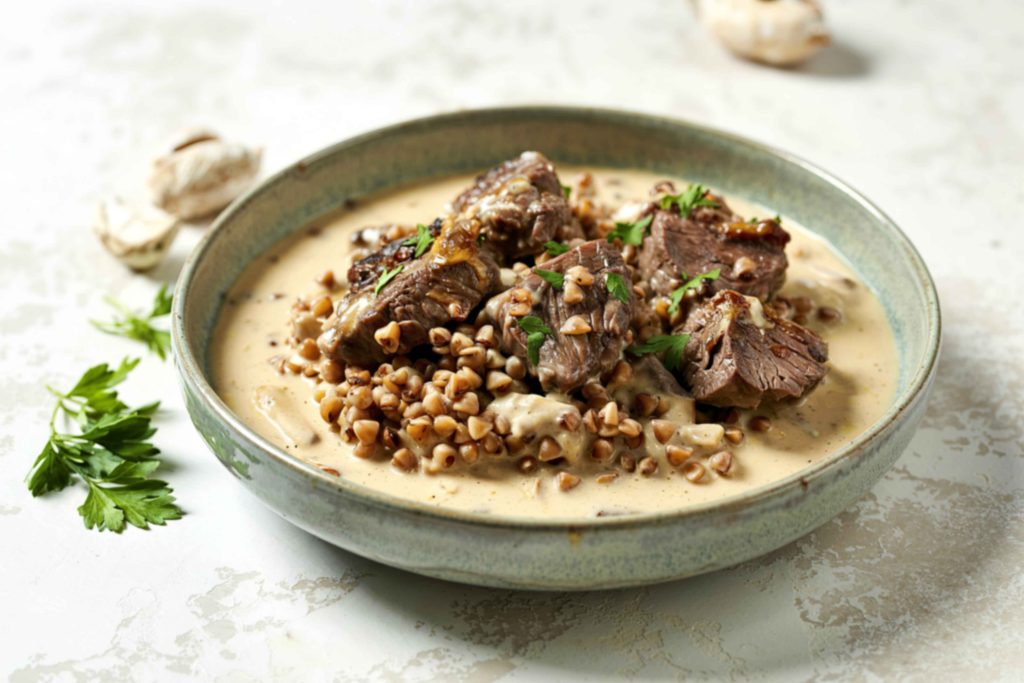
Traditional dishes like seswaa (shredded beef) and bogobe (sorghum porridge) offer an earthy taste of Botswana’s culinary soul. The culture is conservative and community-oriented, so modest dressing and polite greetings go a long way. People in this very friendly country often invite tourists to their village for a family meal, so do not be surprised if they do.
Currency and What Things Cost
The local currency is the Botswana Pula (BWP). As of now, ₦1000 equals about 93 BWP, but exchange rates fluctuate, so it is best to check current rates before travel. Botswana is not particularly cheap, especially if you plan to visit lodges or take guided safaris. A mid-range meal might cost around 50–80 BWP, and a decent safari lodge can go for $150 to $300 per night.
However, for travelers from Nigeria looking for value over volume, Botswana delivers. You can easily budget by mixing high-end lodges with budget-friendly guesthouses. Bring cash with you because it is still important in rural areas. However, cards are widely accepted in cities like Gaborone and Maun.
Health, Safety, and Travel Tips
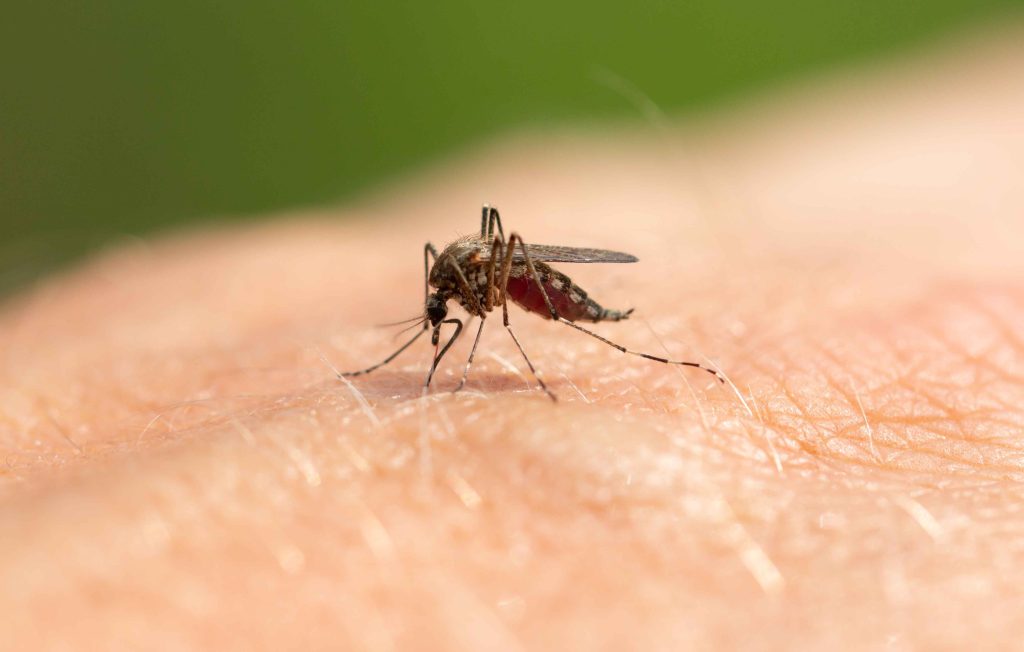
Botswana is one of the safest countries in Africa, with a stable government and low crime rates. But you should still take the usual safety precautions: stay away from remote areas at night, keep your valuables safe, and always go into the wild with a local guide. Malaria prevention is a must, especially during the rainy season, so consult a travel clinic for anti-malarial medication.
The water in cities is generally safe to drink, but bottled water is advisable when out in the bush. The yellow fever vaccination proof is not required for Botswana, but travel insurance is strongly recommended for Nigerians, especially if you’re doing any adventure activities like game drives or quad biking on the salt pans.
Why Botswana Is Worth It for Nigerian Travelers?
Botswana offers something more timeless: a connection to nature, history, and stillness. Nowadays, traveling is mostly about keeping up with the latest trends and making lists for social media. Botswana stands out. Nigerians who want more than just malls and cafes that look good on Instagram will find a lot here.
It’s a place that rewards curiosity, patience, and an open mind. Botswana teaches you how to be present, whether you are floating through the Okavango at dawn, sitting around a fire in the Kalahari, or having a deep conversation with a local. This is a priceless lesson for anyone who feels like their life is too much to handle.
You might also like to read

Top Ten 5 Star Hotels in Abuja (With Location and Prices)
Reading Time: 9 minutesIf you are planning a trip to Nigeria’s capital city and looking for 5 star accommodation, you need information you can actually trust. Abuja is a city where government business, diplomatic meetings, and tourism come together, and the hotels here reflect that importance. But with prices ranging from just over ₦100,000 to nearly ₦450,000 per […]

Summer vacation packages under ₦1 million.
Reading Time: 11 minutesHere’s what people don’t talk about enough: “expensive” is a decision, not a fact. The same package that costs someone ₦3 million because they booked through the wrong channels costs someone else a fraction of that because they found the right deal at the right time. Today, you’re getting the right deal. These summer vacation […]

20 best hotels in Ikeja near the airport (MM1 & MM2)
Reading Time: 12 minutesIf you’re looking for hotels in Ikeja near airport, it’s usually because you have a flight to catch or arriving late at MM1 (international), MM2 (domestic), and you don’t want Lagos to humble you with traffic on Airport Road. This article rounds up the 20 best hotels around the Murtala Muhammed Airport axis and breaks […]