
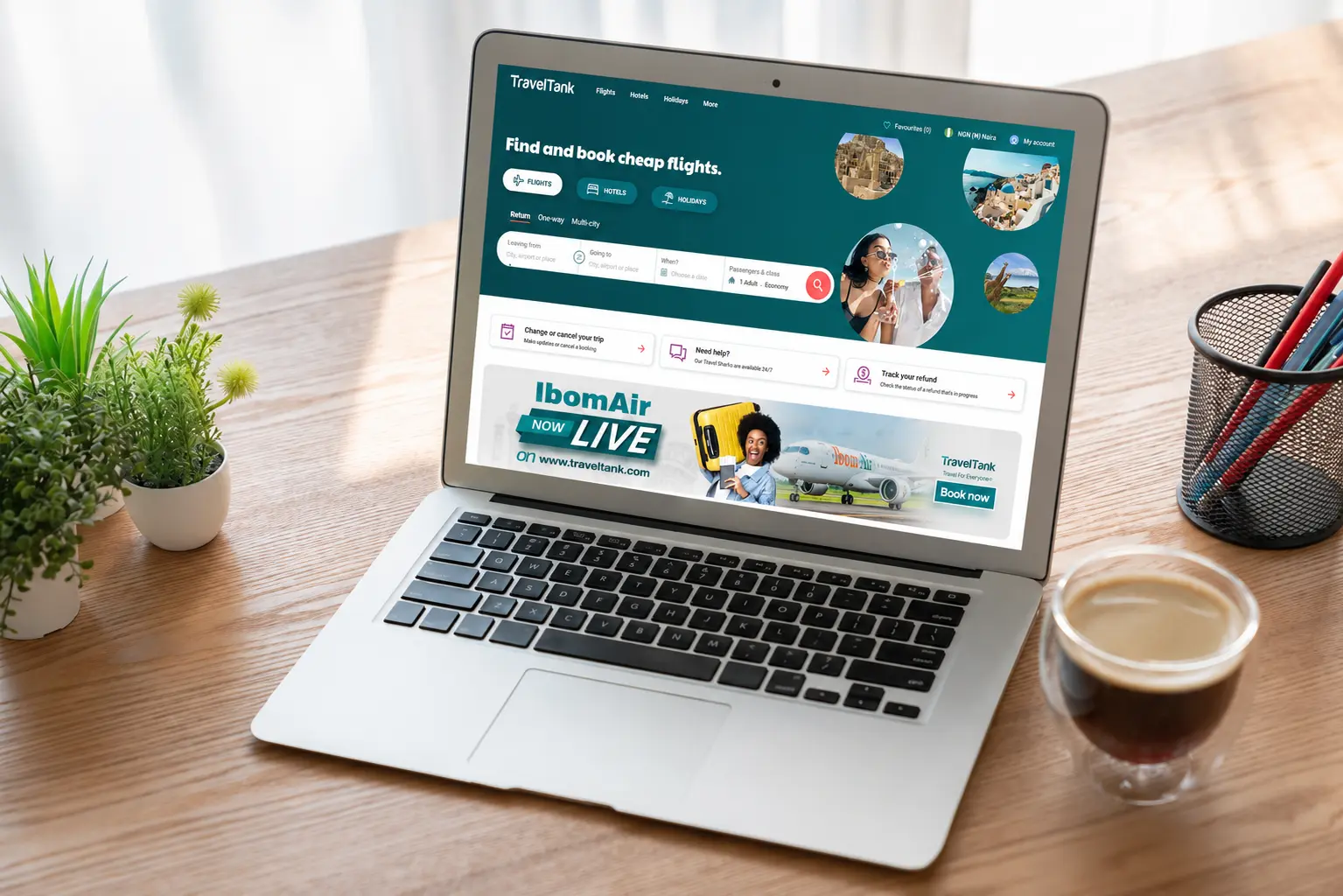
Have you ever wondered why some travel agents earn more than others? The secret often lies not in their follower count but in their choice of travel affiliate programs.
Last year, a Lagos-based travel blogger spent six months promoting international hotel bookings through a commission-based travel affiliate program. She earned ₦180,000 total. Her friend, who tried a markup-based program, earned more than she did in a short period of time from the same audience size within three months. Both had identical visit counts. The difference was the travel affiliate program they chose.
This article breaks down how each affiliate model works, how it affects your income, and which one fits how Nigerians book flights and hotels.
According to the IATA Travel Agency Programme, travel agents and affiliate-style resellers remain the primary channel airlines use to reach travellers worldwide, and understanding your payout model is the difference between earning steadily and earning almost nothing.
Join TravelTank’s affiliate programme for free and get paid in naira.
What Are Travel Affiliate Programs and How Do They Work?

A travel affiliate programme lets you earn money by connecting travellers to flights, hotels, or packages. That part is the same everywhere in the world. What changes, and what most beginners never check before joining, is how you actually get paid.
Some programmes pay you a commission after your referral completes a booking somewhere else, in a foreign currency, weeks or months later. Others, like TravelTank’s affiliate model, let you book directly on their platform, set your own markup, and get paid in naira as soon as the transaction settles.
Both are legitimate. But they serve completely different kinds of people. One suits a blogger with steady global web traffic. The other suits an agent working from a laptop in Surulere with a WhatsApp contact list full of people who trust her.
How Do Commission-Based Travel Affiliate Networks Work
This is the part most “best travel affiliate programs” lists skip over, and it’s the part that actually decides whether you make money.
Take Booking.com Associates, one of the biggest travel affiliate networks in the world. You don’t earn a percentage of the room price your client pays. You earn a slice of Booking.com’s own commission from the hotel, which is typically around 15%. As a new affiliate, you might receive 25% of that commission, working out to roughly 3.75% of the total booking value. Higher tiers, reached only after driving hundreds of bookings, can push that closer to 40% of Booking.com’s cut.
Expedia’s affiliate network pays a similar structure, usually 2% to 6% on hotel bookings, depending on the property and your volume. Hotels.com, run through third-party ad networks, pays 4% to 6% on completed stays only. None of these programmes let you sell flights, packages, or visa assistance through the same system. You’re stuck promoting one product category at a time.
Here’s the detail that catches most affiliates off guard: many of these networks track your referral using a browser cookie that lasts anywhere from a same-session window up to 60 days, depending on which network processes the payment. If your client clicks your link today but books three days later on a different device, which is completely normal Nigerian booking behaviour, since people confirm with family before paying, you may earn nothing at all.
Payouts also arrive in USD or EUR, usually by international wire transfer, with minimum thresholds around $50 to $100. If you’re earning small amounts monthly, you could wait a year before your first payout clears.
How Does TravelTank Affiliate Programme Work?
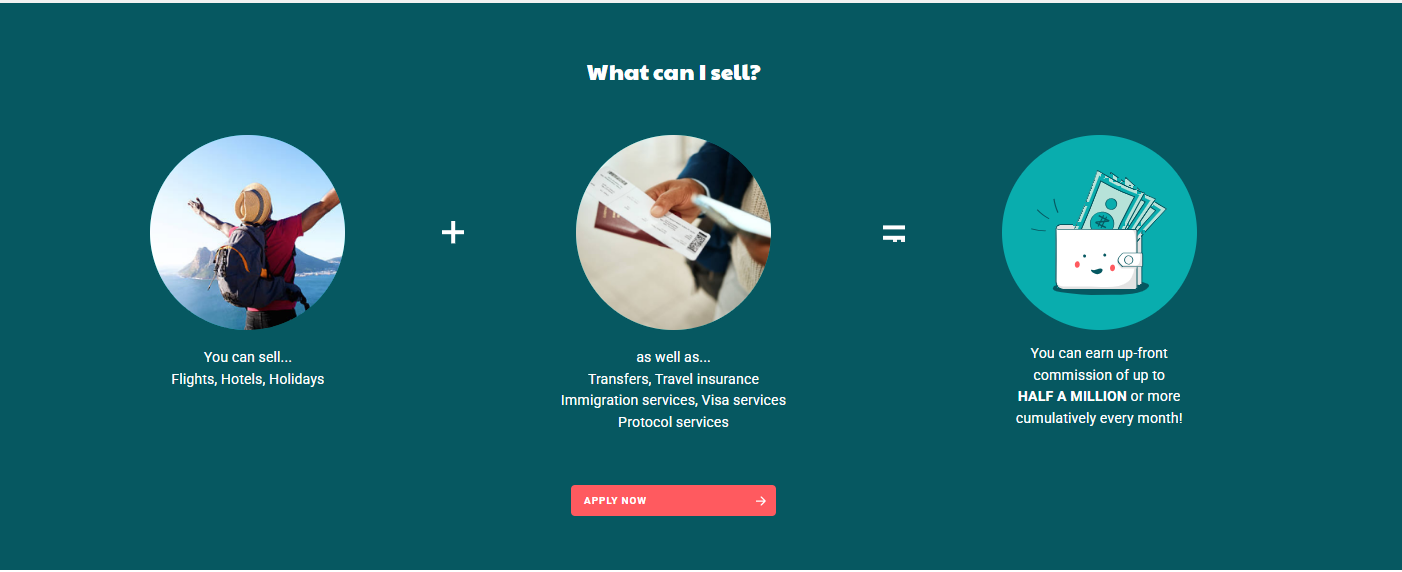
TravelTank flips the entire structure. Instead of waiting for a foreign platform to calculate a commission on their own commission, you get access to TravelTank’s net rates. On flights, hotels, holiday packages, airport transfers, travel insurance, and visa assistance.
You decide what to charge your client. The difference between TravelTank’s net rate and your selling price is yours, confirmed the moment the booking is paid, not after a 30- to 60-day waiting period, and not subject to being reversed if a client’s plans change.
A few things that matter specifically for a Nigerian agent:
- You get paid in naira. No currency conversion, international wire delays, or losing value to exchange rate movement between the time you earn and the time you’re paid.
- Free white-labelling. Your tickets and vouchers carry your business name and contact details, not TravelTank’s. The client relationship stays with you.
- SOTO ticketing. You can book flights originating outside Nigeria, useful for diaspora clients flying between London, Toronto, or Dubai and Nigeria, and still get paid in naira.
- One platform, every product. Flights, hotels, packages, insurance, and visa help all sit in one dashboard, unlike commission networks that force you to juggle several separate programmes.
- 24/7 affiliate support. If a client’s Air Peace or Emirates flight out of MMIA has an issue at midnight, there’s a dedicated team, not a generic customer service queue.
For a full look at the range of products available through this model, read Other Travel Services You Should Explore.
Markup vs Commission-Based Travel Affiliate Programs: Full Comparison
| Feature | TravelTank Affiliate | Other booking platforms |
| How you earn | Markup you set yourself | Percentage of the platform’s own commission |
| Currency paid | Naira | USD or EUR |
| Minimum payout | None | $50–$100 |
| Tracking risk | None, you book the client directly | Cookie can expire before client books |
| Products covered | Flights, hotels, packages, insurance, visas, Airport Transfers/protocol services | Usually hotels only, sometimes cars |
| Best suited for | Nigerian agents with a client network | Bloggers with high global web traffic |
What Are the Best Travel Affiliate Programs for Beginners in Nigeria in 2026?

If you’re just starting with no website and no existing traffic, most international travel affiliate programmes will frustrate you long before they pay you. You need thousands of monthly visitors to make a 4% commission on a $50 threshold worthwhile.
For a Nigerian beginner working from WhatsApp Business and Instagram, the TravelTank markup model is a more realistic starting point. You don’t need traffic. You need clients, even five or ten people from your church group or old university coursemates, and a platform that lets you earn on the first booking, not the fiftieth. It also helps that you’re booking through an already-registered operator; you can review the NCAA’s travel agency registration requirements to see just how much capital and staffing an independent licence demands before you’d ever need one yourself.
Where Do Luxury and Safari Travel Affiliate Programs Stand?
Luxury and safari travel affiliate programmes usually work through direct partnerships with tour operators rather than public affiliate networks. A boutique safari operator in Kenya or Tanzania might offer a flat referral fee per booking rather than a percentage, and those deals are often negotiated one-on-one, not signed up for online.
For a Nigerian agent, the more practical route into this space is packaging luxury holidays yourself through TravelTank’s net rates: a Dubai luxury package, a Zanzibar honeymoon trip, a South African safari, and applying your own markup, rather than chasing a foreign safari operator’s affiliate terms that may not even accept Nigerian applicants.
Highest Paying and High Ticket Travel Affiliate Programs
On paper, some of the highest-paying travel affiliate programmes advertise commission rates up to 40%. In practice, that 40% is calculated on the platform’s small commission, not the full booking value, so the real payout per sale is often just a few dollars.
High ticket travel affiliate programmes make more sense when the booking value itself is large. A Lagos–Toronto family booking, a Dubai holiday package, or a corporate travel account are all naturally high-ticket transactions. With TravelTank’s markup model, you earn directly on the size of that booking; a ₦450,000 Lagos–Dubai return can carry a ₦30,000–₦50,000 markup on its own, paid immediately, in naira.
Tips for Choosing the Right Travel Affiliate Programme
Ask yourself four questions before joining anything. What currency do your clients pay in? If it’s naira, a USD-only payout creates ongoing friction. Do you have real web traffic, or a client network? Traffic favours commission networks; a client network favours the markup model. What do your clients actually need, just a hotel, or a full trip? And how soon do you need your income confirmed, weeks later, or the moment the booking is paid?
There’s a fifth question most beginners skip entirely: what happens when something goes wrong? If a client’s reservation gets double-booked at a hotel in Lagos, you’re on the phone with a support desk that has no idea who you are; you’re just a referral link in their system. If a TravelTank booking runs into a problem, you’re calling a support team that already has your account, your client’s details, and a direct interest in fixing it fast, because you’re their affiliate, not an anonymous visitor.
Think about the actual conversations you have with clients too. A first-time traveller flying to Canada for a study permit interview doesn’t just want a cheap flight; they want someone to confirm their documents are in order, and their flight timing won’t clash with their appointment. Commission-based programmes don’t give you the tools or the relationship to have that conversation. You’re just a link. The markup model puts you back in the middle of the transaction, where Nigerian clients actually expect their agent to be.
The naira has traded around ₦1,380–₦1,400 to the dollar through mid-2026, a range tracked regularly by the Central Bank of Nigeria’s exchange rate data, which means every USD payout you receive from a foreign programme loses value the moment you convert it. That’s not a small detail. It’s the difference between a programme that works for you and one that quietly costs you money every month.
Frequently Asked Questions
Which travel affiliate programs pay Travel agents in naira?
TravelTank is currently the clearest option paying Nigerian affiliates directly in naira, with no minimum payout threshold. International networks like Booking.com, Expedia, and Hotels.com pay in USD or EUR through international wire transfer.
Do I need a website to join a commission-based travel affiliate network?
Generally yes, or at minimum a social platform with significant organic traffic. Commission-based networks are built for publishers who drive volume through content, not for agents building one-on-one client relationships.
Is TravelTank’s affiliate programme free to join?
Yes. There’s no registration cost, and you don’t need an existing business name or NCAA licence to start. You’re booking through TravelTank’s existing licence while you build your client base.
Can I use both a commission-based network and TravelTank at the same time?
Technically yes, but most Nigerian agents get better results focusing on one model first. Building genuine client relationships through TravelTank’s markup model tends to produce more consistent monthly income than spreading effort across multiple foreign programmes.
Your Path to Higher Affiliate Earnings Starts Now

Commission-based travel affiliate networks reward publishers with real web traffic. They’re a legitimate option if that’s your situation. But for most Travel agents working through WhatsApp, referrals, and real relationships, they create more friction than income: foreign currency payouts, minimum thresholds, and cookies that expire before a client actually books.
Among all the travel affiliate programs available to Nigerians right now, TravelTank remains the one built specifically around how Nigerians actually book and pay for travel. You set your price, get paid in naira and keep the client relationship.
Join TravelTank’s affiliate programme today. It’s free, and you keep what you earn.
To understand what keeps Nigerian travellers coming back to the agents who serve them well, read The Top Travel Agency Nigerians Are Choosing and Why.
You might also like to read
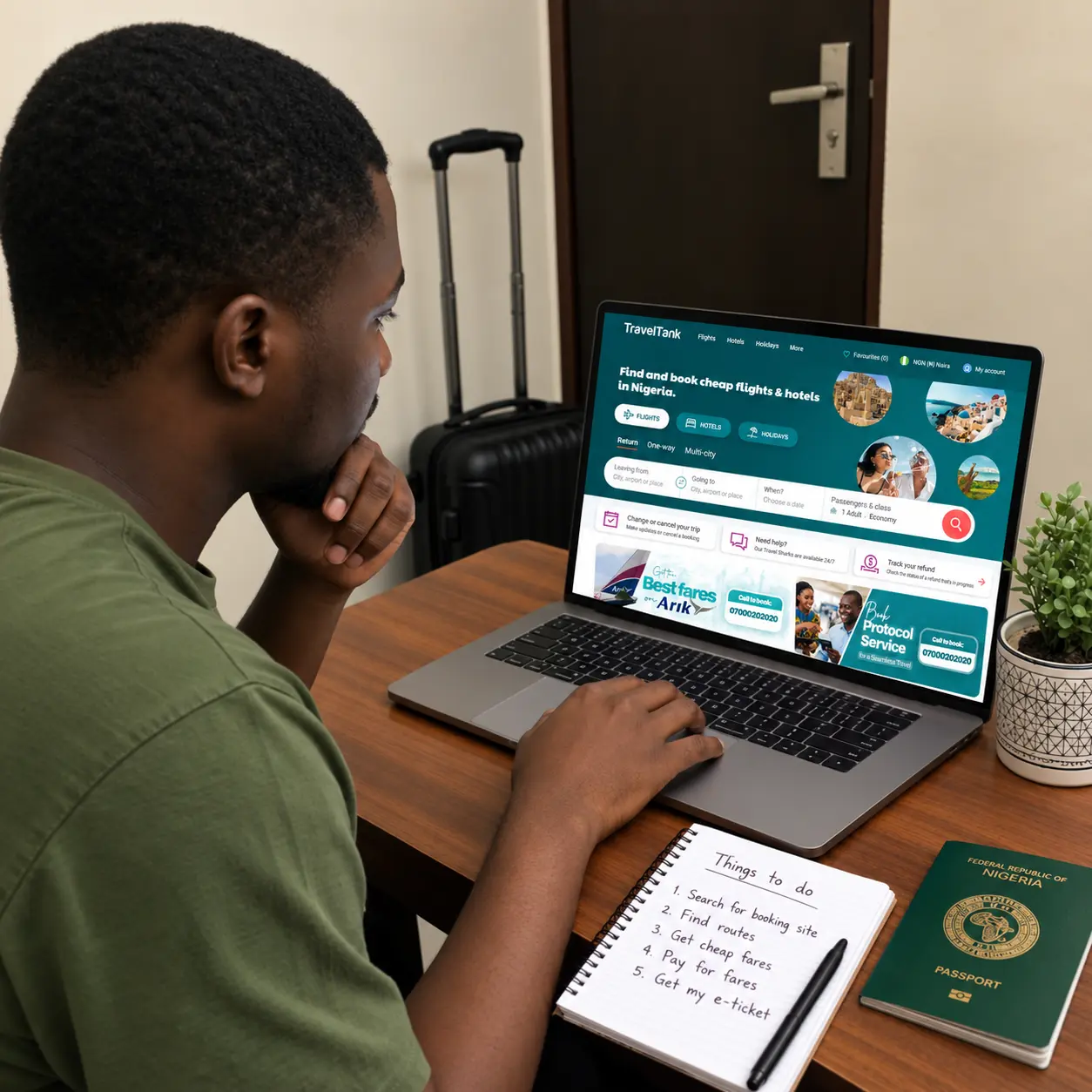
How to Book a Flight Online: A Step-by-Step Guide.
Reading Time: 19 minutesBooking a flight online is simply the process of searching for available flights to your destination, choosing the option that fits your schedule and budget, entering passenger details, paying or reserving the fare, and receiving a booking reference or e-ticket. For many people, the entire process can be quick when documents and payment are ready, […]


How to Earn ₦500,000/Month Reselling Flights and Hotels Online in Nigeria
Reading Time: 9 minutesThink about the last time someone you know booked an international flight. Did they do it alone? Or did they ask someone for help? Most travellers prefer booking tickets through a trusted person. Someone who can explain the prices, the visa requirements, and whether that stopover in Istanbul needs a transit visa. That person can […]

Top Travel Affiliate Programs in Nigeria (2026 Updated List)
Reading Time: 10 minutesNigeria’s travel market is worth billions in annual bookings. Over 15 million Nigerians fly each year through Murtala Muhammed International Airport (MMIA) and Nnamdi Azikiwe International Airport (NAIA). If you want a share of that revenue, the right travel affiliate programs in Nigeria have on offer in 2026 are your clearest entry point. This guide […]