
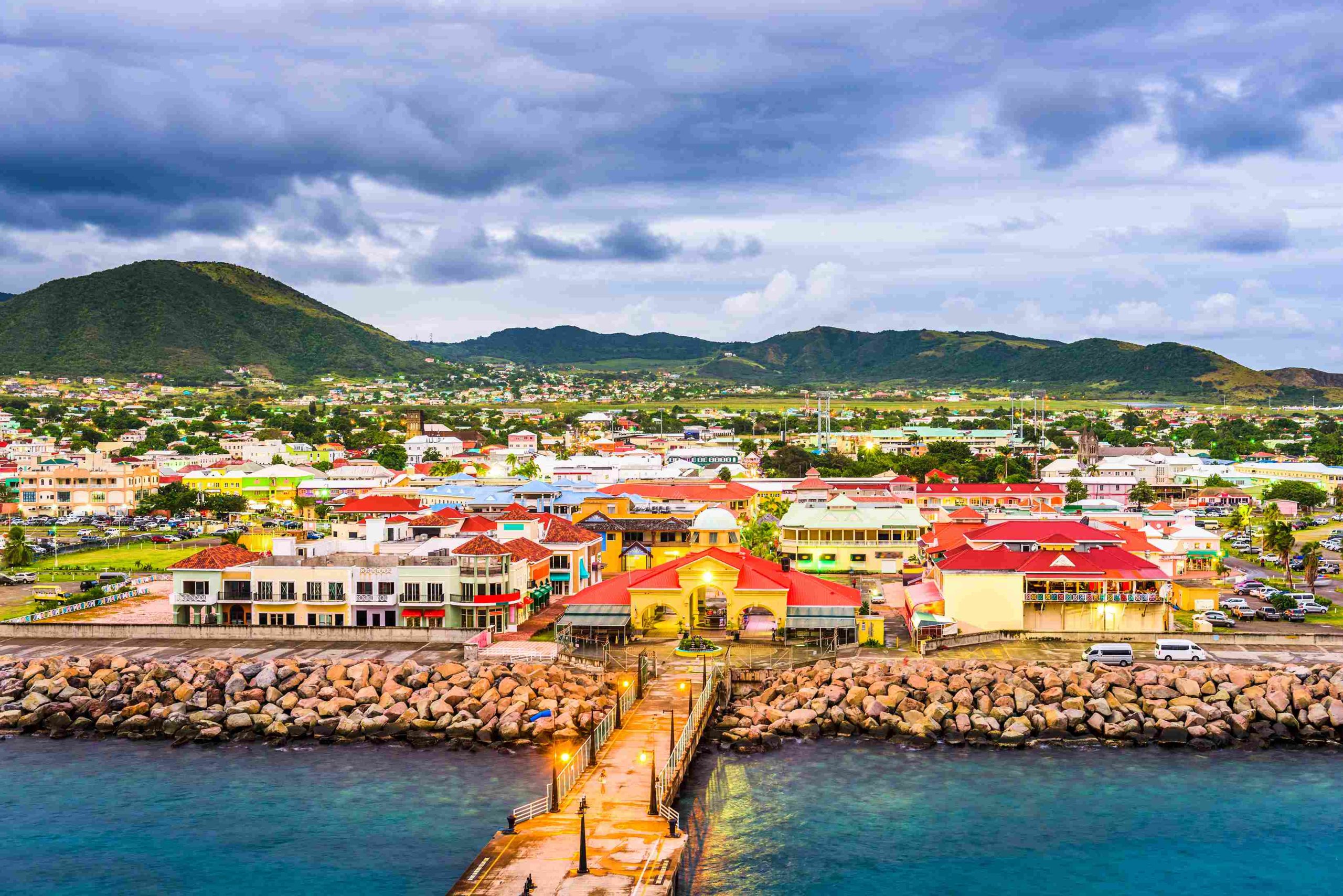
While many beautiful places in the Caribbean look great in travel brochures, St. Kitts and Nevis stand out as a quiet gem. These two islands are tucked away where turquoise waters meet emerald-green hills. They are slowly revealed through winding coastal roads, fortresses that are hundreds of years old, and the warm smiles of a community with deep roots in African culture.
Being the smallest independent country in the Western Hemisphere, St. Kitts and Nevis is a unique place for Nigerian travellers to experience both cultural kinship and Caribbean wonder. With visa-free entry and island rhythms rooted in West African heritage, this two-island country is the next big vacation spot for Nigerians who like to try new things.
>So, if you are planning your next holiday and looking for a stress-free island escape, here are things you should know about St. Kitts and Nevis.
Easy Visa-Free Entry & eTA Basics
Nigeria enjoys a visa-exempt relationship with St. Kitts and Nevis. You do not need a traditional visa from an embassy to stay up to 90 days. Instead, you fill out a short Electronic Travel Authorisation (eTA) form online before you leave and bring it with you to Immigration when you get there. The process takes roughly 10 minutes and costs less than a Lagos lunch combo.
Remember to print or screenshot the eTA confirmation, hold a passport valid for at least six months, and show proof of onward travel.

Once stamped in on St. Kitts, you’re free to ferry across The Narrows to Nevis without additional paperwork.
Getting There is Easy
The fastest way to get from Lagos (LOS) to Robert L. Bradshaw International (SKB) is on Air Peace’s seasonal nonstop charter, which takes ten hours. There will be more flights around Christmas and summer breaks after the first one in June 2025 because it was so well-received.
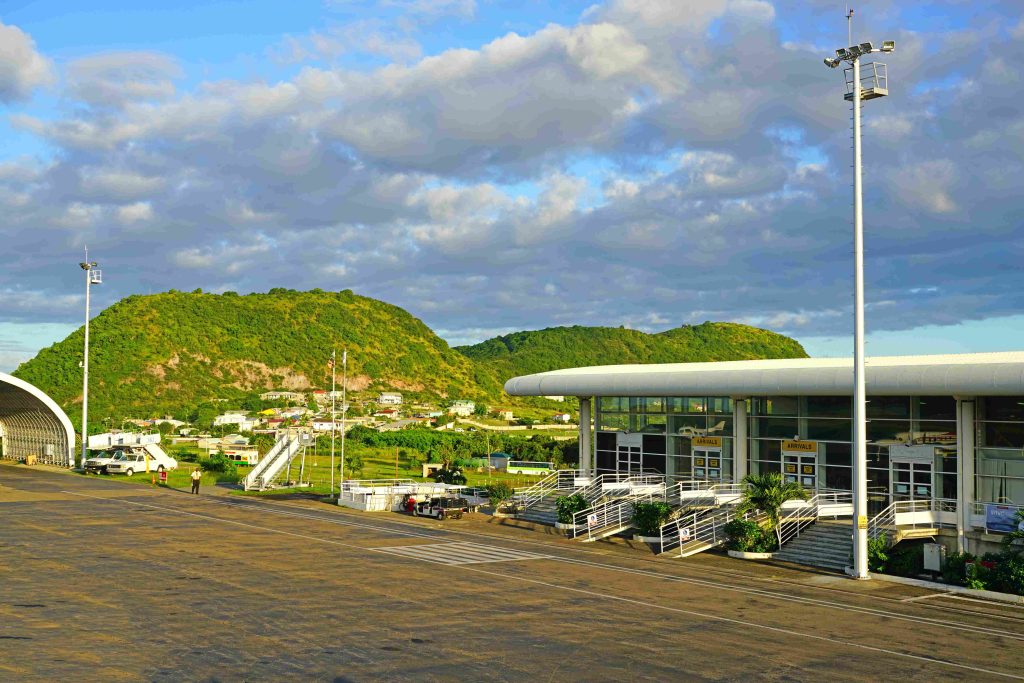
During the off-season, we switch to one-stop routes, like British Airways via London-Gatwick or Qatar Airways to Miami with a quick American Airlines island connector. If you book early, both of these routes cost around ₦1.5 to ₦2 million. Flight trackers show that negotiations are underway for additional summer charters, so keep an eye out for Air Peace announcements.
Best Time to Visit: Weather & Festivals
The islands sit in the Eastern Caribbean, giving you reliably hot days (26–30 °C) year-round. December to April marks the dry season, ideal for sunshine-seekers escaping Harmattan chills. When the Harmattan haze moves over Lagos in Nigeria, Sugar Mas makes St. Kitts and Nevis shine with colour. For a lot less money than Trinidad, from December 23, 2025, to January 3, 2026, the streets are filled with Jouvert jump-ups, calypso showdowns, and feathered pageants.
During the months of May and June, the beaches are quiet, prices are low, and mango trees are full of fruit, which can evoke feelings of nostalgia for home. Late July and early August are crazy times for Culturama, Nevis’s version of carnival. There are steelpan competitions, calypso shows, and costume parades that are a lot of fun; just switch out your Ankara for feathered headdresses.
From June to November, hurricane season means afternoon showers and travel insurance that can be changed at any time. Storms rarely hit directly, but you should still plan ahead.
Currency, Cards & Cost Hacks
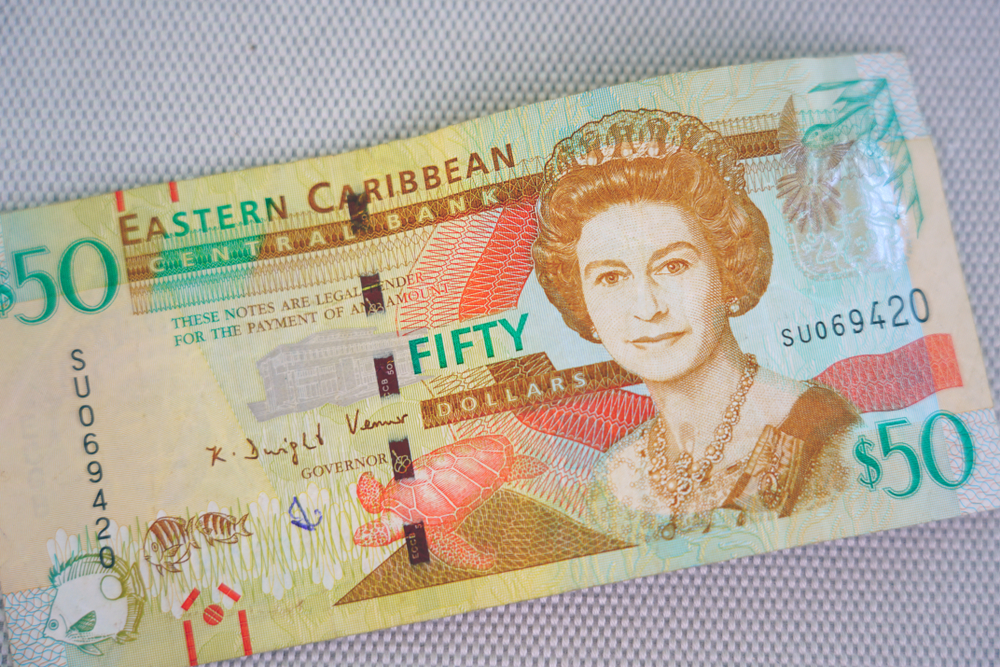
The Eastern Caribbean dollar (XCD) is used in St. Kitts and Nevis. It is tied to the US dollar at 2.70:1. One XCD is worth about ₦565, so a beachside roti for 15 XCD costs less than ₦8,500, which is about the same as a Lekki lunch. Local vendors like cash, but Visa and MasterCard are easy for hotels and bigger restaurants to accept. If you travel with USD notes that can be changed quickly, or if you open a naira-domiciled card that doesn’t charge fees when used abroad, you can save money.
Tipping typically follows US customs, which suggest a range of 10–15%, but service charges may occasionally be included on bills in resort areas.
Where to Stay in St. Kitts and Nevis
Hotels in St. Kitts and Nevis are more intimate; you won’t find those high-rise buildings here. The Park Hyatt at Christophe Harbour in St. Kitts is a luxurious hotel with an infinity pool, while the strip of bars at Frigate Bay is a good deal for budget travelers.
While you are on Nevis, the 18th-century Montpelier Plantation Inn combines historic sugar mill ruins with modern plunge pools, giving you an Afro-Caribbean Bridgerton vibe. Guesthouses average 70–120 USD a night, but smart Nigerians stretch budgets with Airbnb cottages up the lush slopes of Nevis Peak.
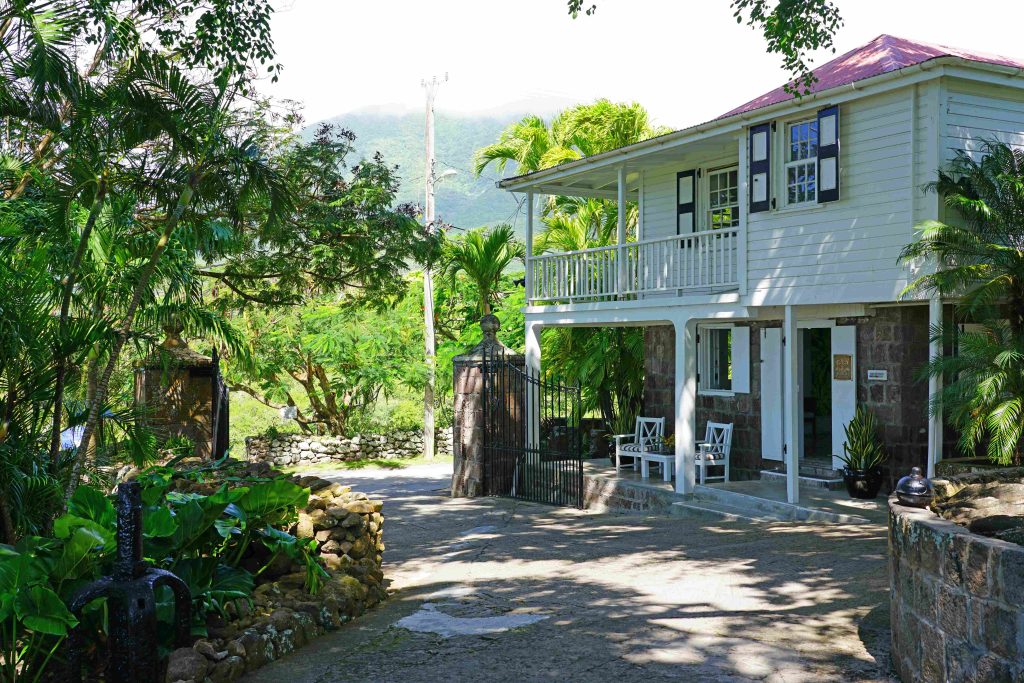
Luxury seekers gravitate to resort villas like the newly launched Nevis Peak Residences at Four Seasons, starting at US $1.43 million for full ownership (and citizenship eligibility). That’s unbelievable, right? If you have got it, just book it! No matter where you stay, island law requires a 10% VAT and a 2–3% tourism levy. Add these to the total cost of your stay before you click “Book Now.”
Top Experiences Across Both Islands
St. Kitts has dramatic sights, like Mount Liamuiga covered in rainforest, Black Rocks formed by lava, and cliff-side views of the Atlantic Ocean kissing the Caribbean Sea in a swirl of sapphire and jade. It is an unforgettable experience!
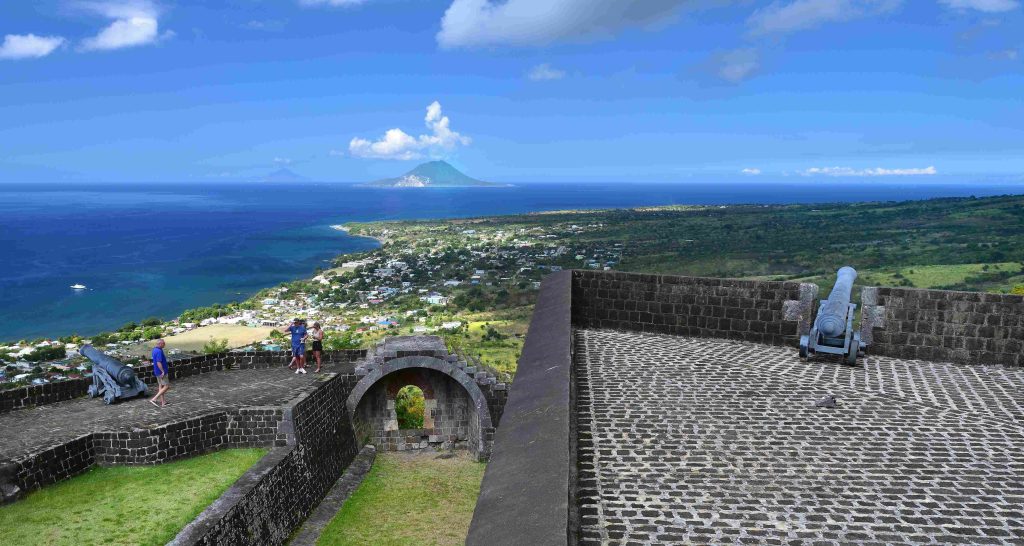
Brimstone Hill Fortress National Park is the center of any historical tour. It is a UNESCO World Heritage Site that has been called the “Gibraltar of the West Indies.” As you walk along the ramparts that were built by Africans who were forced to work as slaves and British engineers, you can see the French island of Sint Eustatius shimmering in the distance.
Kite surfers can go to the Atlantic side of Frigate Bay, snorkel in the shallow turquoise waters of Shitten Bay, or look for shipwrecks off of Tugboat Beach.
On Nevis, you can hike Nevis Peak at dawn, where cloud forest parrots soar and volcanic soil crunches under your feet. After our long hike, you can soak your aching calves in the free Hot Springs in Charlestown.
Don’t miss the St. Kitts Scenic Railway, it’s dubbed “The Last Railway in the West Indies.” This narrow-gauge train goes around 29 kilometers of coastline, shaking through sugarcane fields, over steel bridges, and past brightly coloured villages where kids wave like extras in a movie. The upper deck is open air and serves unlimited rum punch. Take it slowly so you can remember every chorus of the choir singing calypso hits.
Food & Nightlife
You will enjoy both familiar and new tastes here. There are food stands on the street that sell piping hot conch fritters and pepper-pot stew that tastes like the spicy kick of Nigerian pepper soup. The national dish is goat water, which is a spiced brown stew. For dessert, you can have akara, which is sweet potato pudding.
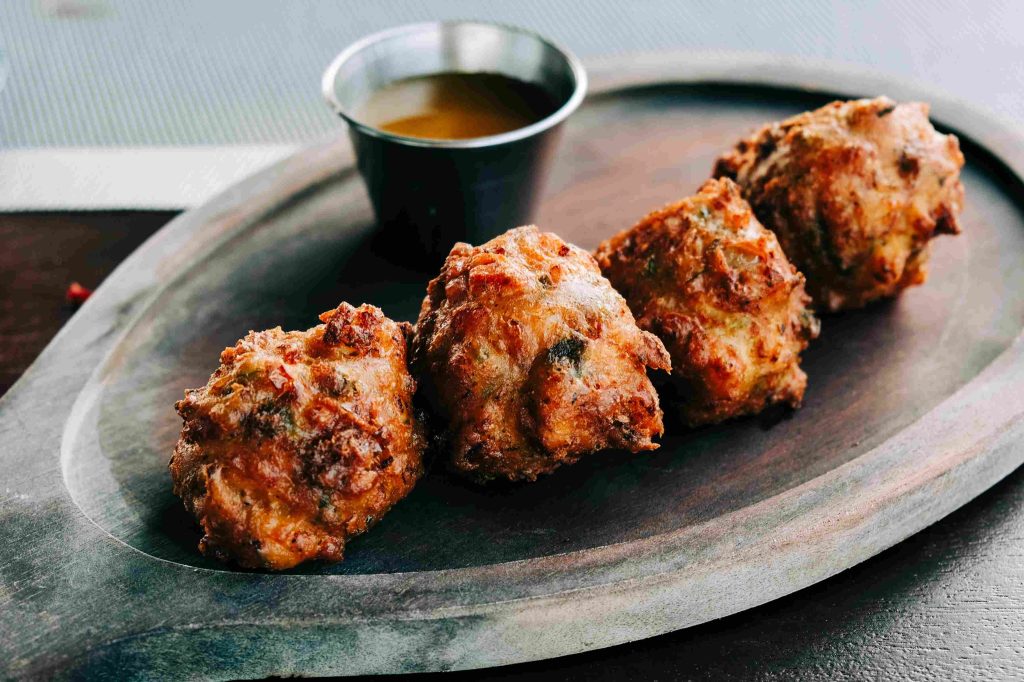
Cassava cakes are served with smoky jerk chicken in cozy beach shacks. Lionfish ceviche comes with coconut-ginger rice on elegant terraces. As night falls on St. Kitts, The Strip comes alive with reggae bass at Vibes Beach Bar, soca remixes at Inon’s, and rum-punch specials that are stronger than our own ogogoro.
At Sunshine’s Beach Bar in Nevis, live jazz slows things down, and the famous “Killer Bee” cocktail lives up to its name. No matter what you eat, wash it down with a mojito made with fresh cane juice or a cold Carib Lager. You can enjoy the taste of home with a tropical breeze.
Connectivity, Safety & Health Essentials
At the airport kiosk, Digicel or Flow SIM cards can be activated in minutes. Data packs of 4 GB start at about 25 XCD. There is free Wi-Fi in most coffee shops and hotel lobbies, but we stay away from it to avoid getting big bills. Compared to the rest of the region, crime is still low. We follow the usual Lagos street smarts: lock doors, stay away from empty beaches after midnight, and only take licensed taxis.
The main hospital in Basseterre handles normal emergencies. On Nevis, private clinics are more traveler-friendly. Dengue is common, so do not forget bug spray. Also, make sure your yellow fever vaccination card is still valid; some West African hubs require it.
Cultural Etiquette & Quick Tips
Nigeria has a shared heritage with St. Kitts and Nevis. The first drumbeat you hear when you get off the plane might sound eerily like home. This is because about 95% of the people who live in Kitts and Nevis come from West Africa. Though English is the official language, people on the island use melodic Kittitian Creole phrases like “You good?” to which you respond with a casual “Ya man.”
On celebration days, Yoruba and Igbo polyrhythms fill the air. Popular dishes include coconut-sweet johnny cakes and peppery goat water, enjoyed from Abeokuta to Calabar. Even the island patois carries echoes of Nigerian cadence. Within hours, you’ll be joining domino games and recognizing familiar spices. You’ll also find yourself humming along to soca riffs that feel like family.
At the beach, you can wear whatever you want, but in churches and government buildings, you should cover your shoulders. When you walk into a store, a friendly nod or “Good morning” will get you help with a smile. Sunday is a holy day. Stores are closed and families gather to enjoy slow-roasted pork. Even airports operate with shorter hours.
Plan ahead for 45-minute ferry rides between islands, which cost 15 XCD. Double-check return times so you don’t end up stuck on Basseterre’s quay.
St. Kitts and Nevis offers visa-free travel and Afro-Caribbean cuisine. It’s a perfect destination for Nigerians looking to relax and explore.
With one boarding pass, you can travel from the Gulf of Guinea to paradise. There, the sea turns gold at sunset and history comes alive.
The question is not whether to visit, but when you will answer the islands’ call.
You might also like to read

Top Ten 5 Star Hotels in Abuja (With Location and Prices)
Reading Time: 9 minutesIf you are planning a trip to Nigeria’s capital city and looking for 5 star accommodation, you need information you can actually trust. Abuja is a city where government business, diplomatic meetings, and tourism come together, and the hotels here reflect that importance. But with prices ranging from just over ₦100,000 to nearly ₦450,000 per […]

Top Ten 5 Star Hotels in Lagos (With Location and Prices)
Reading Time: 9 minutesIf you are planning a trip to Lagos and looking for a 5-star hotel in Lagos, you already know how overwhelming the options can be. The city has more luxury hotels than anywhere else in Nigeria, and they all claim to offer the best experience. But how do you know which ones actually deliver? How […]

10 Fun activities to try in Lagos this Summer.
Reading Time: 13 minutesLet’s imagine this for a sec: It’s Friday evening, you’ve survived another week of 8 am stand-ups and Teams meetings. Every nerve in your body is screaming for something different. A different air quality, not made of Lagos humidity and exhaust fumes; a different sound besides your fan and the neighbour’s generator. You reach for […]