

From cuddly pets to exotic creatures, there are plenty of animals that you might want to bring along on your travels. But did you know that many countries have strict rules about which animals you can bring in?
Different countries have varying rules regarding the importation of animals. In some cases, certain species may be completely banned from entering.
Animals are banned to protect native wildlife, prevent the spread of diseases, and ensure the safety of both animals and humans. The last thing you want to do when you travel is bring back a non-native species or a disease that could wipe out local wildlife.
So, whether you’re planning a trip to Australia, the Galapagos Islands, or anywhere else, it’s important to know which animals are banned and why.
Let us look at the animals that are not allowed in some major destinations worldwide.
Europe
Europe is known for its rich history and diverse cultures, but it also has strict regulations when it comes to animals. Several countries within Europe, such as the United Kingdom and Ireland, have stringent rules regarding the importation of certain dog breeds. Breeds such as Pit Bulls, Japanese Tosas, and Dogo Argentinos are commonly banned due to concerns about their aggressive nature.
European countries generally prohibit the entry of exotic animals like monkeys, snakes, and spiders. Their potential to disrupt local wildlife populations has led authorities to ban or restrict animals like the American Mink and Raccoon Dog.
Similarly, exotic reptiles such as the Red-eared Slider Turtle and Axolotl face restrictions across Europe due to concerns about their invasiveness. Non-native birds like the Quaker Parrot and mammals such as the Coypu may also face bans due to their potential to disrupt ecosystems.
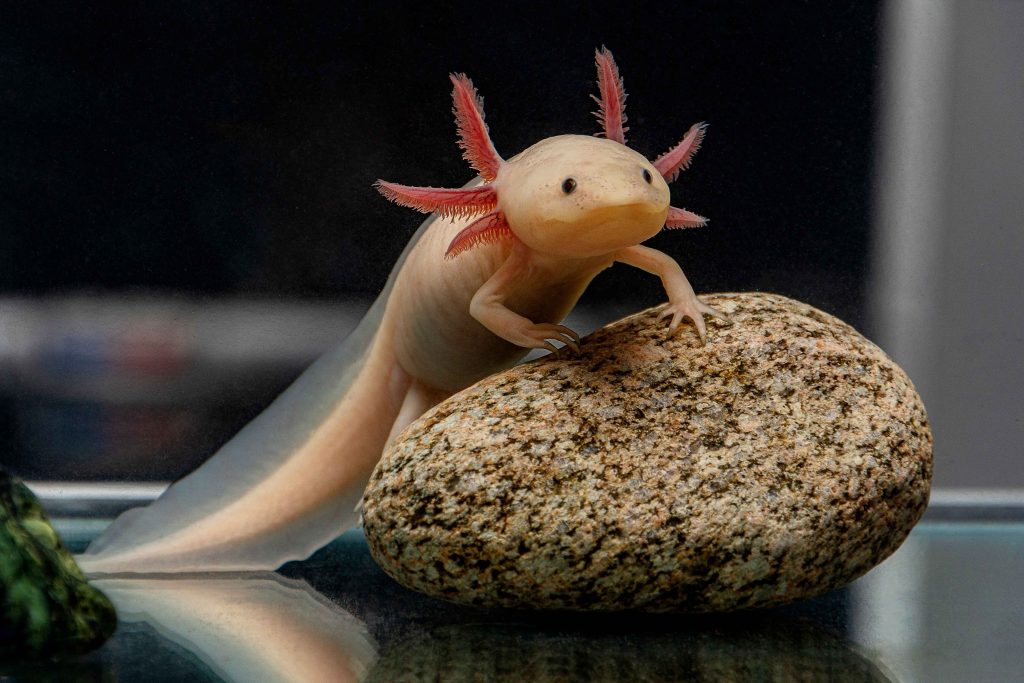
It’s crucial to research and adhere to specific laws in each EU country to ensure compliance and contribute to the preservation of native ecosystems.
Asia
Asia is a continent with a wide range of animal species, but it also has its fair share of travel restrictions. Many Asian countries, including China and India, have strict regulations in place to protect their native ecosystems.
Concerns about the illegal wildlife trade prohibit importing certain species of turtles, such as the Indian Star Tortoise or the Chinese Softshell Turtle.
Furthermore, countries like Japan and Singapore have strict quarantine requirements for dogs and cats to prevent the spread of diseases. Similarly, species like the Ferret and Sugar Glider face restrictions due to concerns about their potential as invasive species and their welfare as pets.
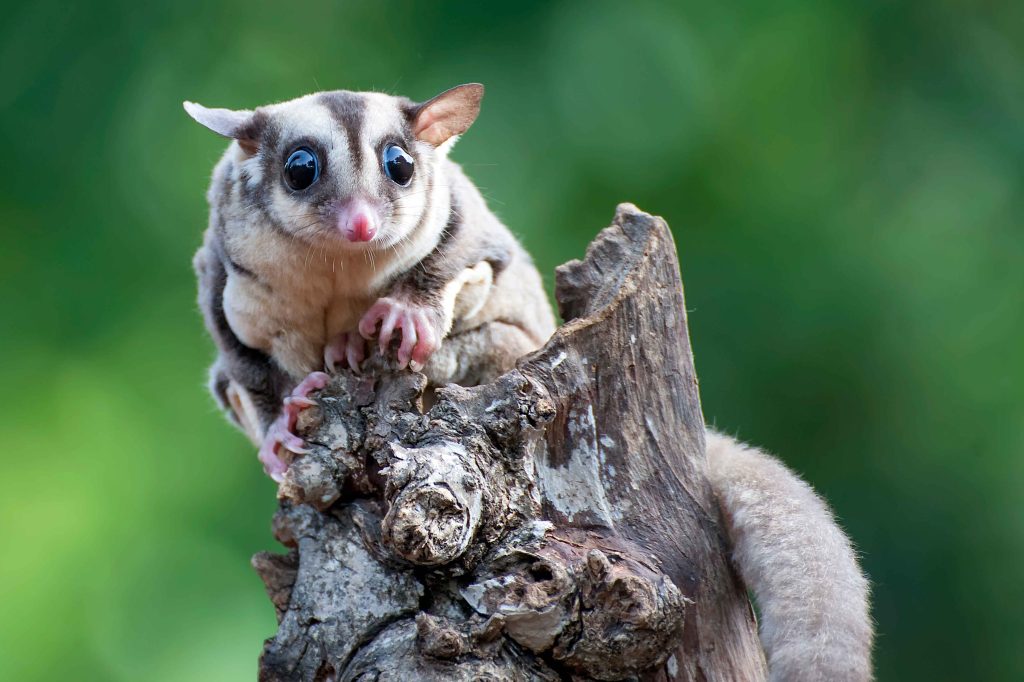
Asian countries often ban or restrict exotic mammals like the Savannah Cat and Fennec Fox, as well as primates such as the Squirrel Monkey, due to welfare considerations and the potential threats they pose to public health and local ecosystems.
Australia
Even though Australia is known for its unique wildlife, it enforces one of the strictest quarantine and importation policies in the world.
A big worry for the country is the spread of diseases and pests from other countries that could hurt its fragile ecosystem. Australia bans many animals from entering. This includes exotic pets such as snakes, lizards, and birds, as well as certain dog breeds like the American Pit Bull Terrier and the Dogo Argentino.

Aquatic species like the Carp and Axolotl are subject to regulations in certain states. This is to prevent them from becoming invasive in Australian waterways. Certain tropical fish species cannot enter the country because they might spread diseases. Also, they could make the waterways there unusable for native species.
Specific areas have banned or restricted birds like the Quaker Parrot. This is to mitigate the risk of disrupting native bird populations.
Australia’s rules are very specific and strictly enforced. Hence, it is important to know and follow them before you plan to travel with animals.
North America
North America, comprising countries such as the United States and Canada, has relatively lenient regulations compared to some other regions. However, there are still restrictions in place to protect the local ecosystems and prevent the spread of diseases.
For example, the United States has a ban on the importation of African rodents, including the Gambian pouched rat, due to concerns about the monkeypox virus.
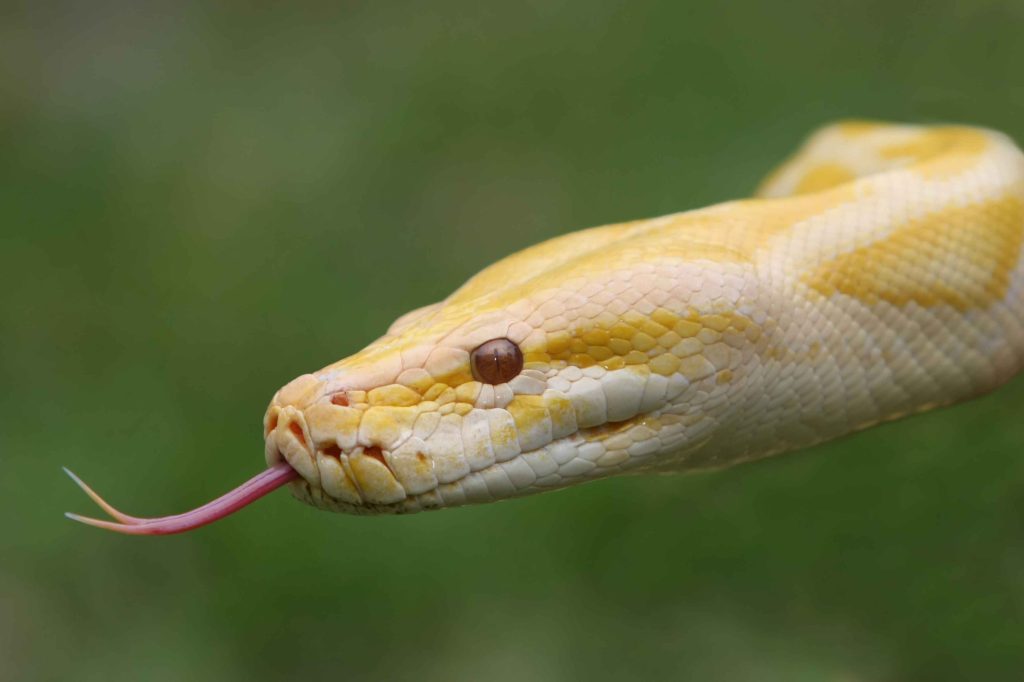
Many states prohibit certain reptiles, such as the Burmese python and the green iguana, because of their potential to become invasive species. Concerns about native habitats and public safety may also restrict the Axolotl and Coati.
South America
South America is home to a wide variety of unique and exotic animals, but it also has regulations in place to protect its natural biodiversity. For instance, countries like Brazil and Argentina have restrictions on the importation of primates. To prevent the spread of diseases and protect local primate populations, authorities ban animals like monkeys and apes.
Additionally, several countries in South America have banned the importation of certain reptiles and amphibians. They include the red-eared slider turtle and the cane toad, due to concerns about their potential impact on local ecosystems. Red-eared Slider Turtles are also not allowed in some places. This is because they can harm the environment if they escape into the wild.
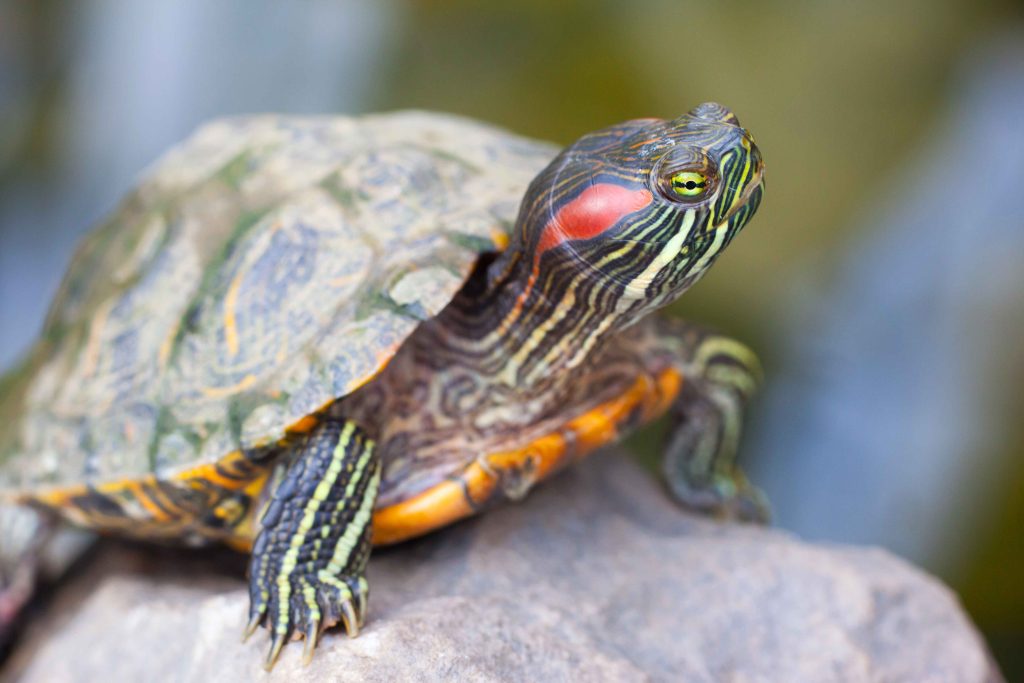
Many South American countries prohibit keeping other animals like Squirrel Monkeys and Sugar Gliders as pets. This is because they might carry diseases that can make people sick. The tendency of animals like the Axolotl to cause problems in water bodies if released also leads to their ban.
Africa
Known for its incredible wildlife, Africa has strict regulations to protect its native species. Many African countries have measures in place to prevent the illegal wildlife trade and ensure the conservation of endangered animals.
Some countries have restrictions on the importation of certain dog breeds. For example, the Boerboel and the Dogo Argentino, due to concerns about their aggressive nature.

Pets aren’t allowed to include big cats like lions and leopards. This is because they can be dangerous and need a habitat more like the wild.
To avoid any legal issues, it’s crucial to comply with the regulations of countries you plan to visit.
Middle East
The Middle East has its own set of regulations when it comes to animal importation. Countries like the United Arab Emirates and Saudi Arabia have specific requirements and restrictions for bringing animals into the region.
For example, some countries have banned the importation of certain dog breeds. For example, the American Staffordshire Terrier, due to concerns about their aggressive behavior.

Furthermore, authorities generally prohibit exotic animals like monkeys and big cats from entering the region. It’s important to research and understand the regulations of each Middle Eastern country you plan to visit to ensure compliance.
Moreover, snakes and other reptiles are often subject to regulations in the Middle East. This is due to concerns about their potential danger to humans and the environment.
Additionally, animals like hedgehogs and certain types of monkeys might also face bans or restrictions in some countries.
Caribbean
The Caribbean, a popular travel destination, earns its reputation for beautiful beaches and vibrant culture. However, it’s important to be aware of the restrictions in place when it comes to bringing animals along.
Many Caribbean countries have regulations to protect their native species and prevent the introduction of invasive species. For example, several countries have banned the importation of certain reptiles, such as the green iguan, snakes and the red-eared slider turtle, because they can harm native wildlife if they escape into the wild.
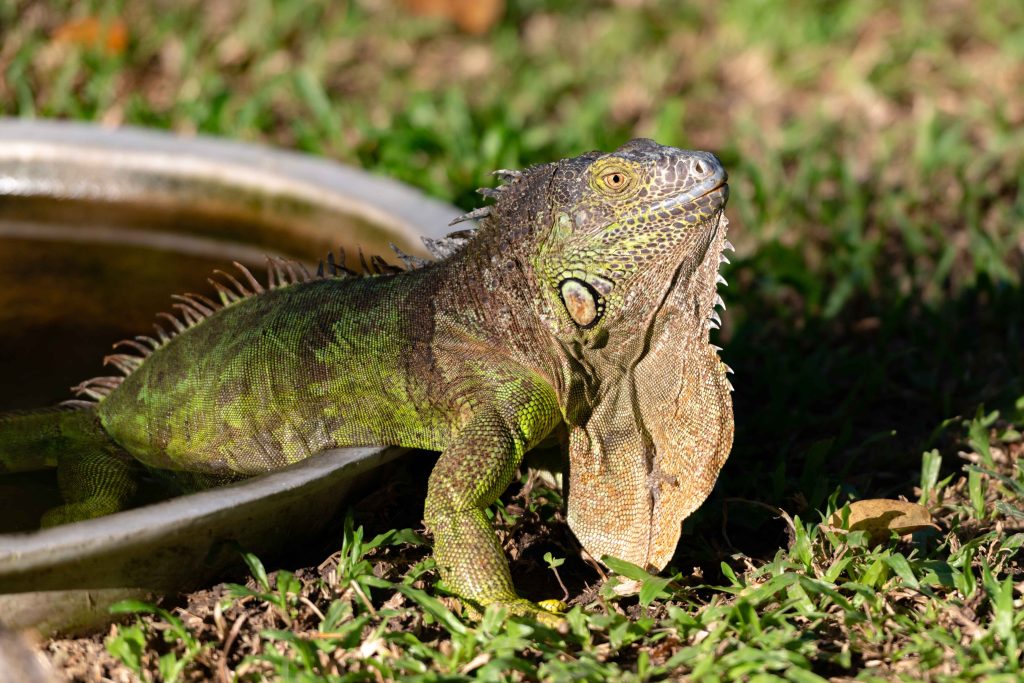
Additionally, some countries have restrictions on bringing in dogs and cats to prevent the spread of diseases. Some islands also have restrictions on keeping certain bird species to protect the local ecosystem.
Also, exotic mammals like monkeys or certain big cats are often banned as pets in many Caribbean countries. This is because they require specialized care and can pose a danger to people.
Before you go on a trip with your pets, make sure you know the rules of the country you are visiting. Also, talk to a vet to make sure you follow them and keep your pets healthy.
You might also like to read

How to Book a Flight Online: A Step-by-Step Guide.
Reading Time: 19 minutesBooking a flight online is simply the process of searching for available flights to your destination, choosing the option that fits your schedule and budget, entering passenger details, paying or reserving the fare, and receiving a booking reference or e-ticket. For many people, the entire process can be quick when documents and payment are ready, […]


Markup-vs-commission-based-travel-affiliate-programs: What’s the Difference?
Reading Time: 8 minutesHave you ever wondered why some travel agents earn more than others? The secret often lies not in their follower count but in their choice of travel affiliate programs. Last year, a Lagos-based travel blogger spent six months promoting international hotel bookings through a commission-based travel affiliate program. She earned ₦180,000 total. Her friend, who […]

How to Earn ₦500,000/Month Reselling Flights and Hotels Online in Nigeria
Reading Time: 9 minutesThink about the last time someone you know booked an international flight. Did they do it alone? Or did they ask someone for help? Most travellers prefer booking tickets through a trusted person. Someone who can explain the prices, the visa requirements, and whether that stopover in Istanbul needs a transit visa. That person can […]