
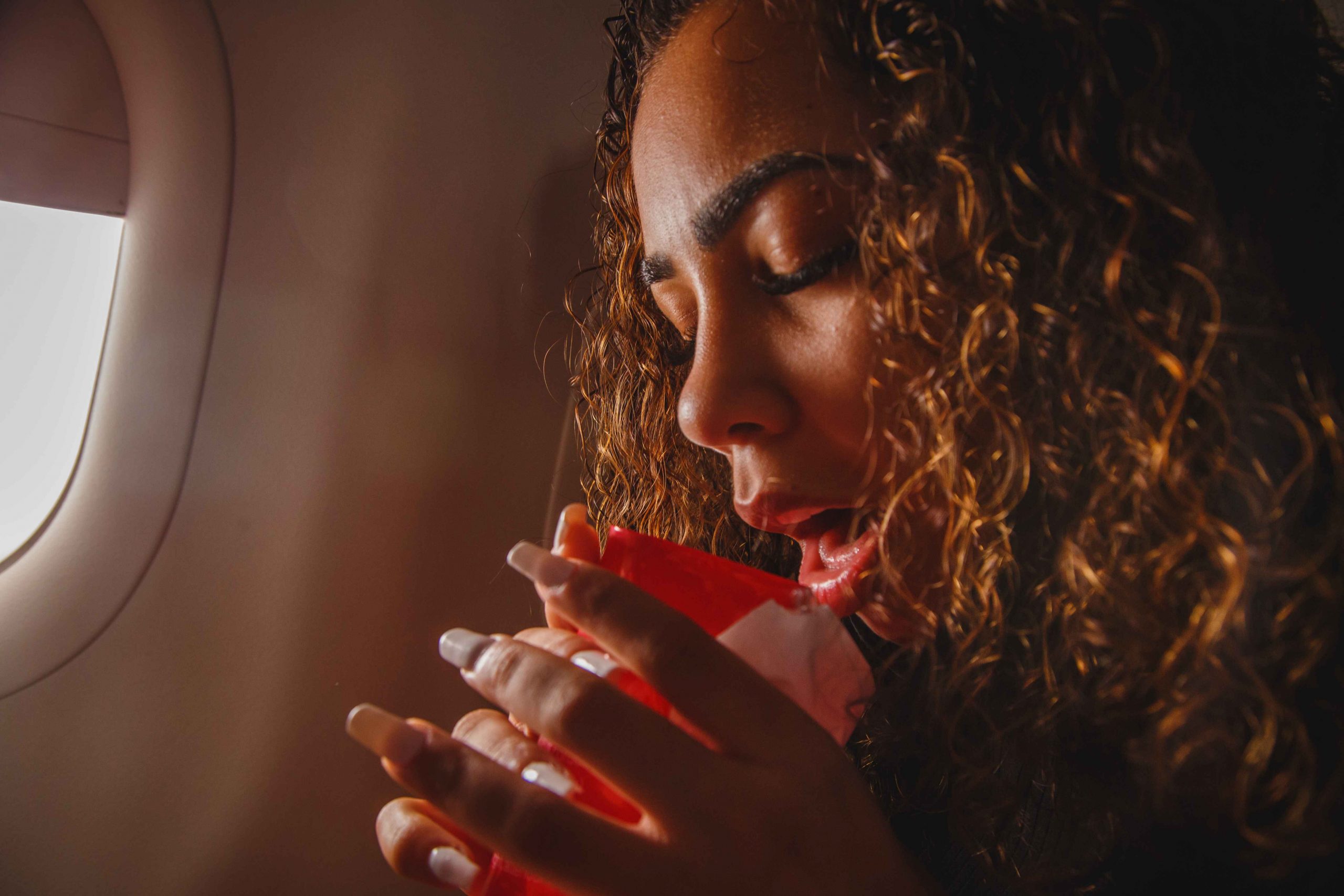
Travel sickness or motion sickness can make you feel uneasy or, worse yet, embarrassed, especially if you’re travelling with strangers. Motion or travel sickness can affect anyone, but different people are more sensitive to motion than others.
How can you deal with travel sickness?
Before we can recommend how you can manage and prevent this illness, we must first discuss what causes it and how you can cope with its symptoms.

What is Travel Sickness?
The body’s motion-sensing organs, including the inner ears, muscles, joints, and eyes, send signals to the brain. Your brain cannot determine whether you are stationary or moving when these parts send contradictory signals. You feel sick because of the perplexing response of your brain.
Motion sickness can be brought on by a variety of activities, such as riding rides at amusement parks and engaging in virtual reality games. Travel sickness can also be triggered when reading while in motion.
Repeated movements in a car, like circling or going over a bump, can send the brain a variety of signals. If you focus on what is going on inside the car, your brain’s signals might lead you to believe that nothing is changing.
Who’s at Risk?
When someone is exposed to unnatural motion, they may experience the unpleasant sensation of motion sickness. Women are more likely than men to experience motion sickness, particularly those who are on hormone therapy, menstruating, or pregnant. Kids between the ages of 2 and 12 have a very high risk of experiencing motion sickness. Up to the age of two, infants and toddlers appear to be relatively resistant to motion sickness.

Symptoms can vary, from minor to severe and serious. Frequent vomiting can result in dehydration and low blood pressure in children. Therefore, if the child is seriously impacted, it is crucial to seek immediate medical attention.
Motion sickness is a problem for those who are prone to migraines. In a similar vein, those taking narcotics, antibiotics, antidepressants, asthma medications, or popular over-the-counter medicines like naproxen or ibuprofen may also experience motion sickness.
Symptoms of Travel Sickness
The unexpected effects of motion sickness can happen at any time. You might feel okay at one point and then, all of a sudden, you develop some of these symptoms;
-
Feeling sick (nausea)
-
Increase in saliva
-
Feeling weak
-
Sweating
-
Headaches
-
Feeling cold or going pale
How to Prevent Travel Sickness
You can prevent travel sickness with the following tips:

Prepare for the journey
-
You should avoid consuming heavy meals before you travel, and we recommend you eat light, carbohydrate meals at least an hour before you travel.
-
Try to break up long journeys with short walks, cold water, and fresh air.
-
To minimize travel sickness, sit on the deck in the middle of a boat, over the wing of a plane, or in front of a vehicle.
-
You should stay away from areas where you can smell petrol.
Breathing and smelling
-
You should breathe fresh air if possible by opening a car window.
-
Ensure you avoid strong smells like diesel fumes and petrol. You can achieve this when you prevent the engine area in a boat, turn on the air conditioning, and close your window.
Adjust the eyes
-
We recommend closing the eyes for the entire journey to minimize ‘potential’ signals from the eyes. This tip can reduce the signals from the eyes to the brain.
-
Do not read anything.
-
You can listen to an audiobook, but still, keep your eyes closed. Audio signals can distract the brain and minimize sensitivity to travel signals.
-
If you can sleep, it will keep you calm without conflicting signals to the brain.
-
Avoid movies.
-
You must not watch moving objects like other vehicles when you travel. Instead, you can look ahead, somewhere above the horizon.
Note: Due to your constant focus on the road in front of you, driving reduces your risk of experiencing travel sickness. In the interim, you can avoid getting sick by sitting up front and observing what the driver does.

Stay away from some foods
-
It will help if you avoid alcohol or heavy meals before and during your trip. In addition, fatty or spicy foods must be avoided.
-
Taming the stomach with sips of a fizzy drink or cold water can help you. We recommend ginger or cola to help you.
Remedy
You can consider wearing Sea-Bands® on your wrists, which would stimulate your acupressure points. Some people find this type of remedy effective. Meanwhile, homoeopathic medicines can help you stay fit throughout your journey.
The following remedies can help you avoid travel sickness:
Focus on Breathing
You should breathe deeply and slowly when you travel. Furthermore, focus on your breathing or listening to music. The process has proven to be effective.
Ginger
Many people who take ginger have fewer crises when they travel. You can find drinks, sweets, or biscuits containing ginger.
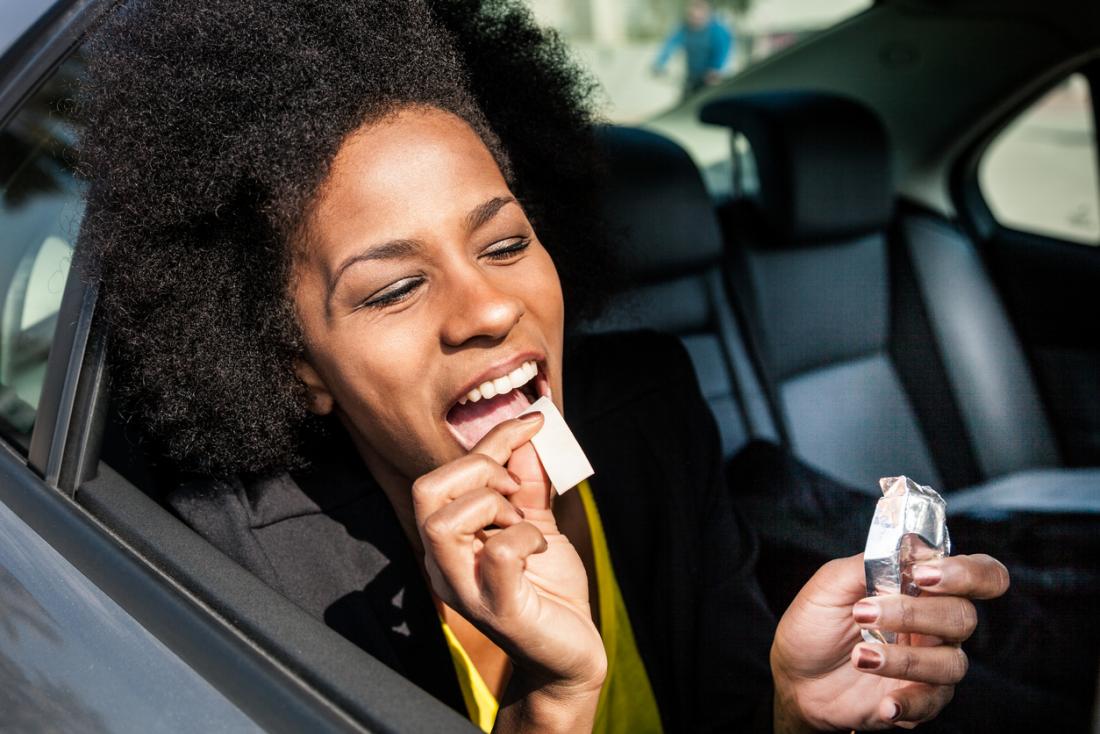
Chewing Gum
If you can chew gum, it can help you relieve mild car sickness. Chewing gum offers you uncanny relief from this sickness. You can pick a variety of chewing gum to help you. In addition, chewing can reduce the effects associated with balance and vision.
Fresh air
You can consider enjoying fresh air while you travel, especially if you don’t like foul odours. You can open your window once in a while to reduce nausea.
Acupressure
An acupressure band that can be useful in relieving motion sickness. However, if you can work on the pressure points without inserting fine needles, you can have fast relief from motion sickness.
If you frequently experience motion sickness, speak with your doctor to find out how to prevent it and what to do if it occurs. Then, you can take precautions to travel more comfortably.
You might also like to read
How to Book a Flight Online: A Step-by-Step Guide.
Reading Time: 19 minutesBooking a flight online is simply the process of searching for available flights to your destination, choosing the option that fits your schedule and budget, entering passenger details, paying or reserving the fare, and receiving a booking reference or e-ticket. For many people, the entire process can be quick when documents and payment are ready, […]


Markup-vs-commission-based-travel-affiliate-programs: What’s the Difference?
Reading Time: 8 minutesHave you ever wondered why some travel agents earn more than others? The secret often lies not in their follower count but in their choice of travel affiliate programs. Last year, a Lagos-based travel blogger spent six months promoting international hotel bookings through a commission-based travel affiliate program. She earned ₦180,000 total. Her friend, who […]

How to Earn ₦500,000/Month Reselling Flights and Hotels Online in Nigeria
Reading Time: 9 minutesThink about the last time someone you know booked an international flight. Did they do it alone? Or did they ask someone for help? Most travellers prefer booking tickets through a trusted person. Someone who can explain the prices, the visa requirements, and whether that stopover in Istanbul needs a transit visa. That person can […]