

The Brazilian Carnival is a spectacular celebration that draws millions of locals and tourists annually. It is a vibrant explosion of colour, music, dance, and tradition, rooted in centuries of Brazilian culture. This event, which is known as the biggest carnival in the world, changes the way cities in Brazil look with street parades, samba performances, and other cultural events. Here’s everything you need to know about the Brazil festival, including the best ways to enjoy it as a visitor to Brazil:

The Origins and History of the Brazilian Carnival
The Brazilian Carnival traces its origins to European festivals brought to Brazil during the colonial era. For example, Portuguese settlers brought Entrudo, a celebration before Lent in which people played games like water fights and food throwing. Over time, African, Native American, and Portuguese cultures came together to create the unique traditions we know today for Carnival.
At the start of the 20th century, carnival parades were better organized and played samba music, which has Afro-Brazilian rhythms at its core. There were nownnn samba schools (escolas de samba), and during carnival week, they competed to have the most elaborate floats, costumes, and choreographed performances.
Since then, these schools have become an important part of Brazil’s culture. For example, Rio de Janeiro’s carnival is known all over the world as the best place to see samba and art.
When and Where Carnival Takes Place
The Brazilian Carnival usually takes place in late February or early March, right before Lent, which is a 40-day period for Christians to fast and think. The fun usually starts five days early, on the Friday before Ash Wednesday.
There are big carnivals in many of Brazil’s cities, but each region has its own unique experience.
The most renowned celebrations are held in:
- Rio de Janeiro: This capital city is famous for its samba school parades at the Sambadrome Marquês de Sapucaí.
- São Paulo, This city features a carnival parade similar to Rio’s but with a unique urban flair.
- Salvador da Bahia: It’s renowned for its axé music and street parties called blocos.
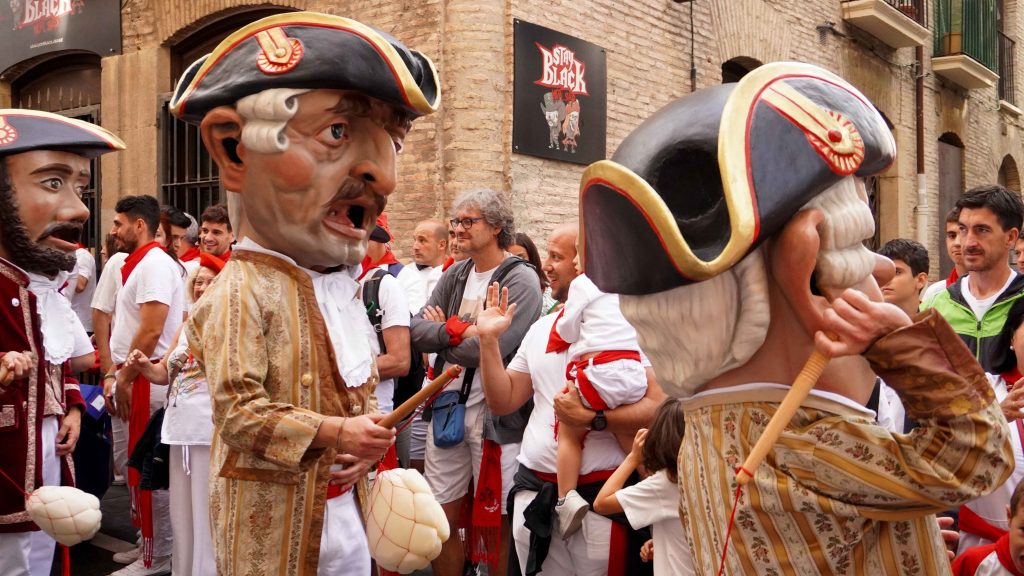
- Recife and Olinda: These colourful cities are celebrated for frevo music, traditional dances, and giant puppets known as bonecos gigantes.
Samba Schools and Their Importance
It’s been said that samba schools are the lifeblood of the Brazilian Carnival. These schools are community groups that work to keep samba music and culture alive. Everyone in each samba school works hard all year to get ready for their big moment in the parades during carnival.

Their preparation includes:
- Theme Selection: Each school chooses a theme, often inspired by Brazilian folklore, history, or social issues.
- Float and Costume Design: Teams craft elaborate floats and costumes adorned with feathers, sequins, and glitter.
- Music and Dance Choreography: Samba-enredo songs are composed to accompany the school’s presentation, and dancers rehearse complex routines.
The best part of the carnival is when these schools compete at the Sambadrome. They get points for being creative, playing music well, and making sure their costumes go with the theme. The school that wins gets honor and respect from the whole country.
Traditional Carnival Music and Dance Styles
Music and dance are at the heart of every Brazilian Carnival celebration. Each region shows off its own sounds and movements, making for a rich visual and auditory experience.
Samba
Samba is what makes Rio de Janeiro’s carnival unique. It features a fast, syncopated rhythm driven by percussion instruments such as the surdo, tamborim, and cuíca. The energetic, fluid movements of samba dancers captivate audiences and represent freedom and happiness.
Axé and Trio Elétrico in Salvador
The carnival celebrations in Salvador da Bahia are centered around axé music, which combines Afro-Brazilian rhythms with pop, reggae, and calypso songs. The trio elétrico leads street parades with performers on huge sound trucks that get thousands of people dancing along with them.
* The trio elétrico is a type of truck or float that has a loud sound system and a stage for performing music on top. It moves through cities playing for crowds. They are designed specifically for Carnival.
Frevo and Maracatu in Recife and Olinda
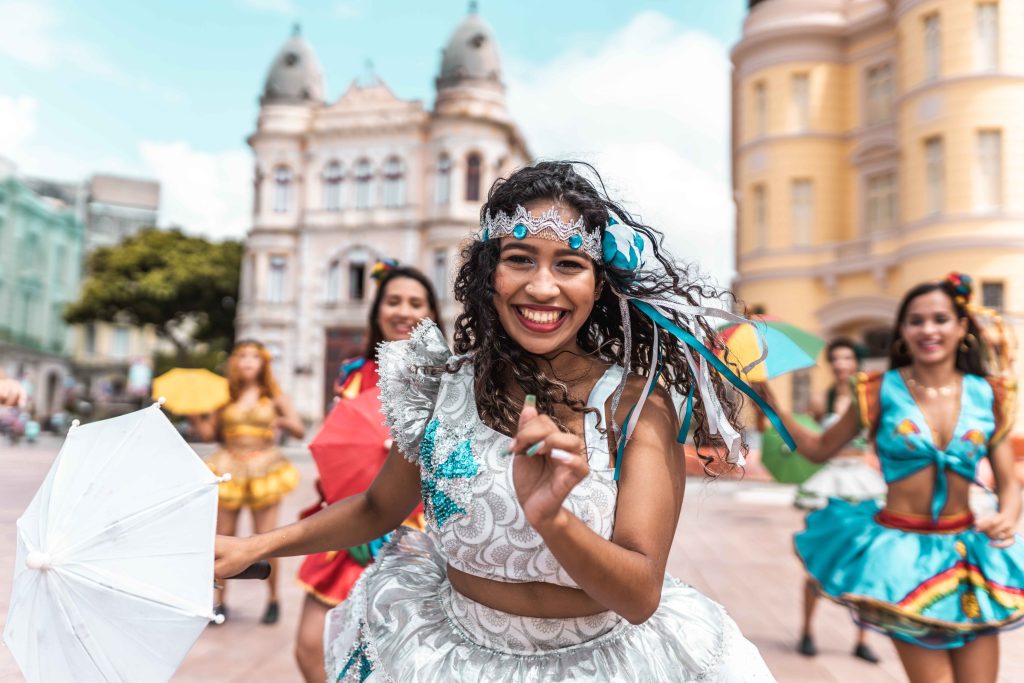
Frevo is a very lively dance that is popular in Recife and Olinda. It has fast footwork and colorful umbrellas. With dancers dressed in fancy ceremonial clothes, traditional maracatu rhythms that have their roots in Africa are also a big part of parades.
Famous Carnival Parades and Street Parties
During Brazilian Carnival, there are both planned parades and unplanned street parties called blocos de rua. These events range in size from small neighborhood groups to huge festivals with hundreds of thousands of people.
Sambadrome Parades
The Sambadrome parades in Rio are known all over the world for how grand they are. Every night, samba schools put on themed shows that keep the crowd glued to the screen. The dancers, costumes, and floats all move perfectly in sync with each other, making a feast for the senses with sound, color, and movement.
Street Carnivals (Blocos)
Carnival is not complete without street parties, especially in cities like Olinda and Salvador. There are huge bloco groups in Salvador that follow the trio elétrico, and in Olinda, the narrow colonial streets are filled with frevo dancers and big puppets. These street events are open to everyone and make people feel welcome and connected.

Costumes and Masks
Dressing up in fancy masks and costumes for Carnival is a way to express yourself and change.
Common elements include:
- Feathers and sequins: These are used to make beautiful costumes that show how happy and lively carnival is.
- Themes and symbols: Costumes often show people from history, creatures from mythology, or scenes from nature and spirituality.
- Masks and face paint: People can get into the holiday spirit by putting on masks or painting their faces, temporarily changing who they are.
The costumes that samba school performers wear are often handmade for months and are an important part of the stories that the schools tell in their parade themes.
Cultural and Economic Impact of Carnival
The Brazilian Carnival is both a cultural event and a big part of the economy of the country. For local businesses, hotels, restaurants, and transportation services, the event brings in millions of dollars in tourism money.
Carnival also provides short-term jobs in areas like making costumes, planning events, and providing entertainment.
Carnival is also a place where people can express their culture and make social comments. While performing, samba schools often bring up important issues like racial equality, political corruption, and protecting the environment.
People connect with this kind of artistic activism, and it adds to larger conversations about how society works in Brazil.

Tips for Experiencing the Brazilian Carnival
For those planning to attend the Brazilian Carnival, preparation is key to making the most of the experience. Here are some practical tips:
- Book Early: Flights, accommodations, and parade tickets sell out quickly, so it’s important to plan ahead.
- Stay Safe: As with any large event, be mindful of your belongings and stick to well-populated areas.
- Join a Bloco: Participating in a street party is one of the best ways to immerse yourself in the carnival atmosphere.
- Learn Some Samba: Knowing even a few basic samba steps will help you enjoy the parades and street parties more.
There is no other party like the Brazilian Carnival, which is a beautiful mix of music, dance, art, and community. It shows how happy and strong Brazil is, and millions of people around the world are still mesmerized by it every year. Planning to visit Brazil to experience the Carnival this year? Let’s help you plan your itinerary!
You might also like to read
How to Book a Flight Online: A Step-by-Step Guide.
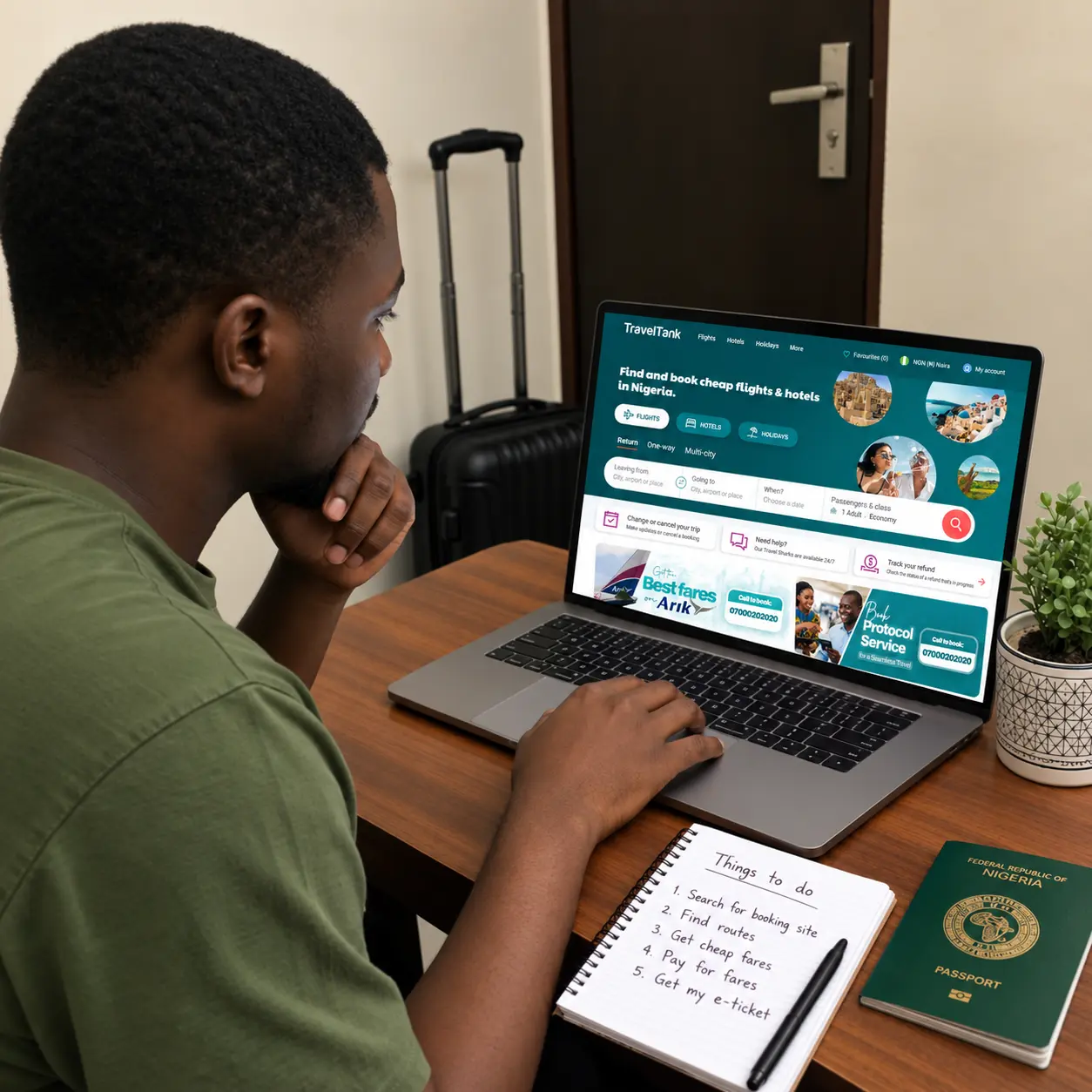
Reading Time: 19 minutesBooking a flight online is simply the process of searching for available flights to your destination, choosing the option that fits your schedule and budget, entering passenger details, paying or reserving the fare, and receiving a booking reference or e-ticket. For many people, the entire process can be quick when documents and payment are ready, […]


Markup-vs-commission-based-travel-affiliate-programs: What’s the Difference?
Reading Time: 8 minutesHave you ever wondered why some travel agents earn more than others? The secret often lies not in their follower count but in their choice of travel affiliate programs. Last year, a Lagos-based travel blogger spent six months promoting international hotel bookings through a commission-based travel affiliate program. She earned ₦180,000 total. Her friend, who […]

How to Earn ₦500,000/Month Reselling Flights and Hotels Online in Nigeria
Reading Time: 9 minutesThink about the last time someone you know booked an international flight. Did they do it alone? Or did they ask someone for help? Most travellers prefer booking tickets through a trusted person. Someone who can explain the prices, the visa requirements, and whether that stopover in Istanbul needs a transit visa. That person can […]