

Easter may be celebrated around the world, but each country adds its own unique traditions and cultural flair to the holiday. From vibrant parades and religious processions to playful festivals and delicious feasts, Easter takes on many forms depending on where you are. Every country has its way of marking Easter, making it one of the most fascinating and diverse celebrations in the world. Beyond religious observances, some places turn Easter into a colourful spectacle.
Whether it is through food, music, or age-old customs, these diverse celebrations show just how much Easter brings people together across cultures, each adding its special touch to the holiday spirit. Let’s take a little journey around the world and see how Easter is celebrated in different countries.
Australia
If you are used to the Easter Bunny, you might be surprised to learn that Australians have the Easter Bilby instead! Because rabbits are considered pests in Australia, the native bilby, an adorable little marsupial, takes their place. Many Australians buy chocolate bilbies instead of bunnies, and part of the proceeds go towards protecting the endangered species.
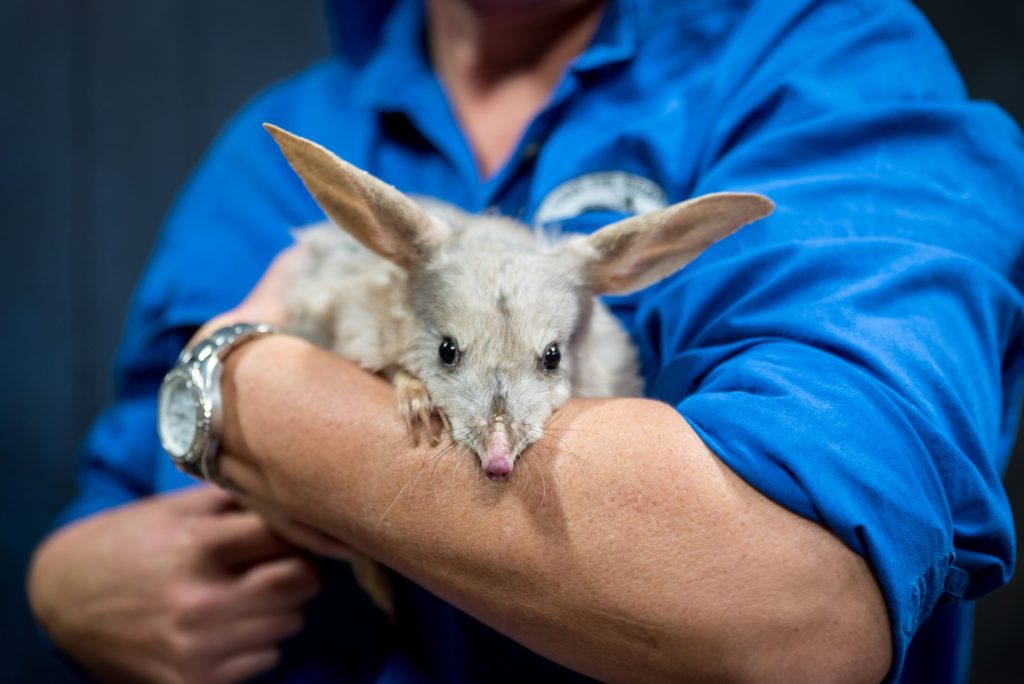
Besides that, Easter in Australia is celebrated with church services, Easter egg hunts, and big family barbecues. Since Easter falls in autumn in Australia, it has a slightly different seasonal feel compared to the Northern Hemisphere.
Spain
Easter in Spain is deeply religious and incredibly moving. The week leading up to Easter, called Semana Santa (Holy Week), is filled with grand processions featuring large, ornate floats with statues of Jesus and the Virgin Mary. These processions are accompanied by marching bands and people dressed in traditional penitential robes.
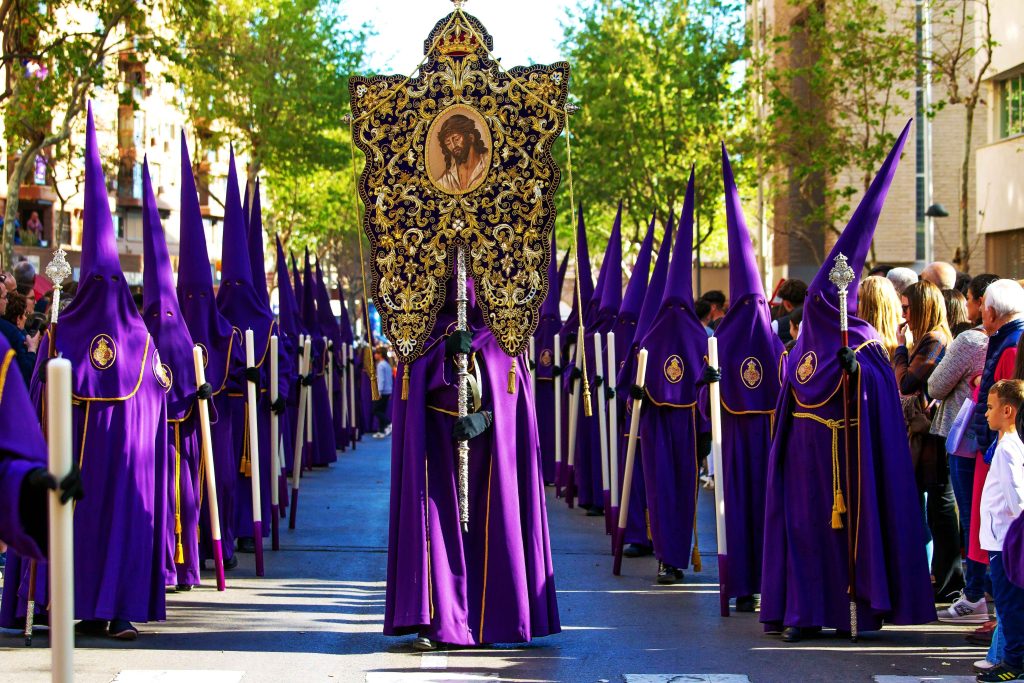
Different cities in Spain have their own versions of these processions, with Seville and Malaga being particularly famous. Many people also participate in fasting and special church services during this time. The celebration ends on Easter Sunday with feasts, celebrations, and family gatherings.
Italy
Italy, being the heart of Catholicism, celebrates Easter with deep religious significance. The highlight is Easter Mass at St. Peter’s Basilica in Vatican City, led by the Pope. Thousands gather in St. Peter’s Square to receive the Pope’s Easter blessing, called the “Urbi et Orbi”.
In many Italian homes, a special Easter cake called Colomba di Pasqua (a dove-shaped sweet bread) is enjoyed, along with delicious feasts of roast lamb and other traditional Italian dishes.
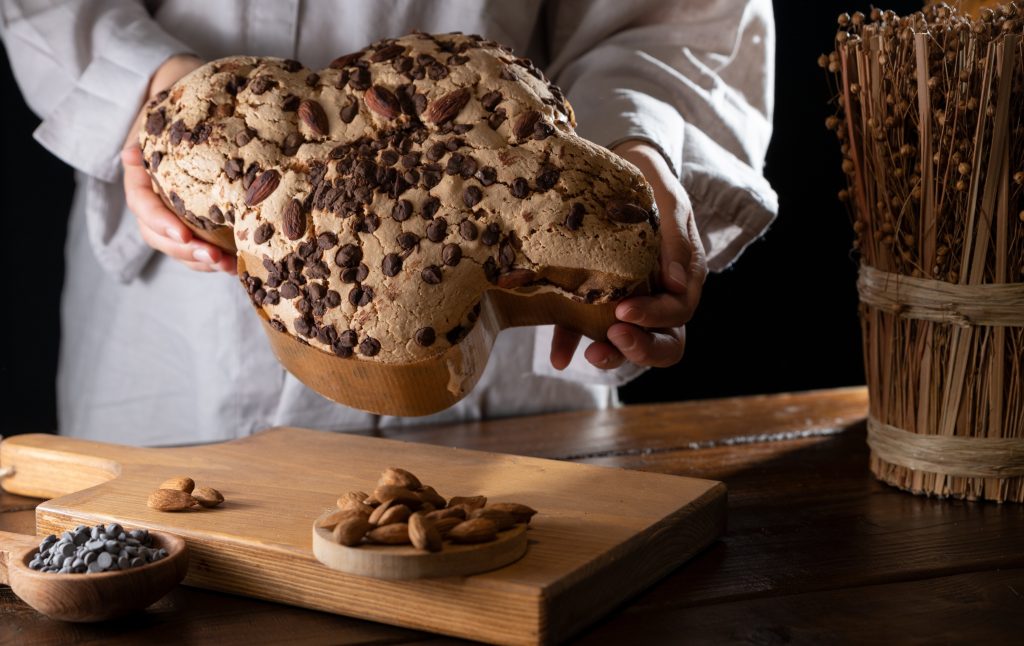
On the Monday after Easter, called Pasquetta, Italians love to go on picnics in the countryside, enjoying good food and good company.
Greece
Greek Orthodox Easter is one of the most important celebrations in Greece, and it’s truly spectacular! The celebrations begin with a midnight church service on Holy Saturday. At exactly midnight, the priest announces “Christos Anesti” (Christ is Risen), and people light candles from the church’s holy flame, filling the night with a breathtaking glow.
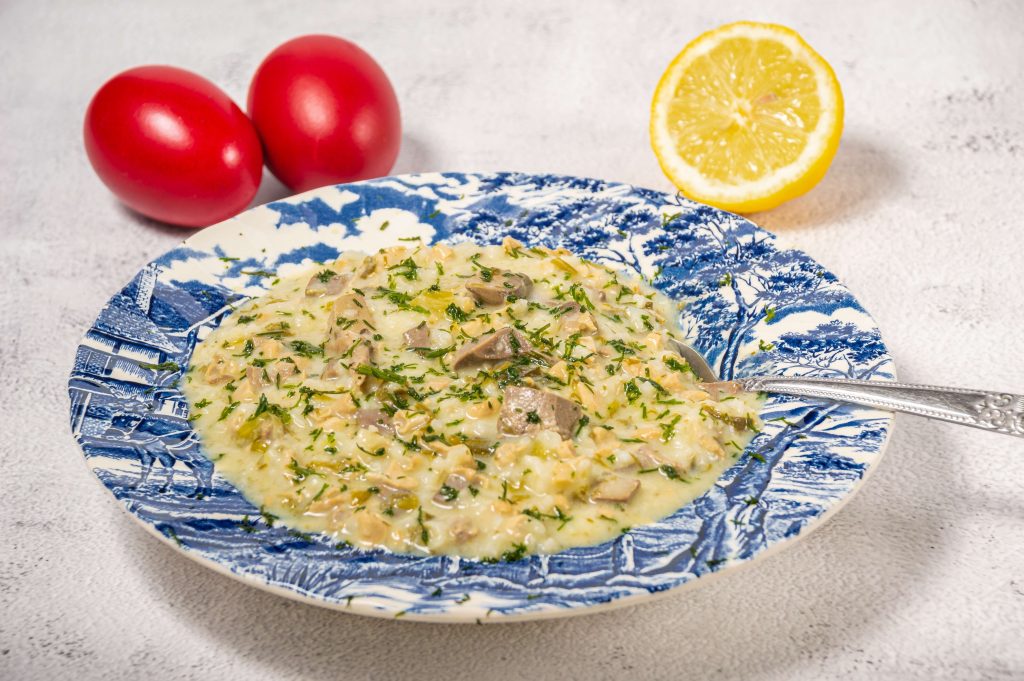
After church, families gather for a huge feast featuring magiritsa (a traditional Easter soup) and roast lamb. One of the most fun traditions is egg-cracking, where everyone gets a red-dyed egg and competes to crack each other’s eggs—it’s said that whoever’s egg stays unbroken will have good luck.
Sweden
Easter in Sweden has a quirky twist! Instead of the Easter Bunny, children dress up as little witches and go door-to-door exchanging hand-drawn Easter cards for candy. This tradition, known as Påskkärringar, is similar to Halloween trick-or-treating.
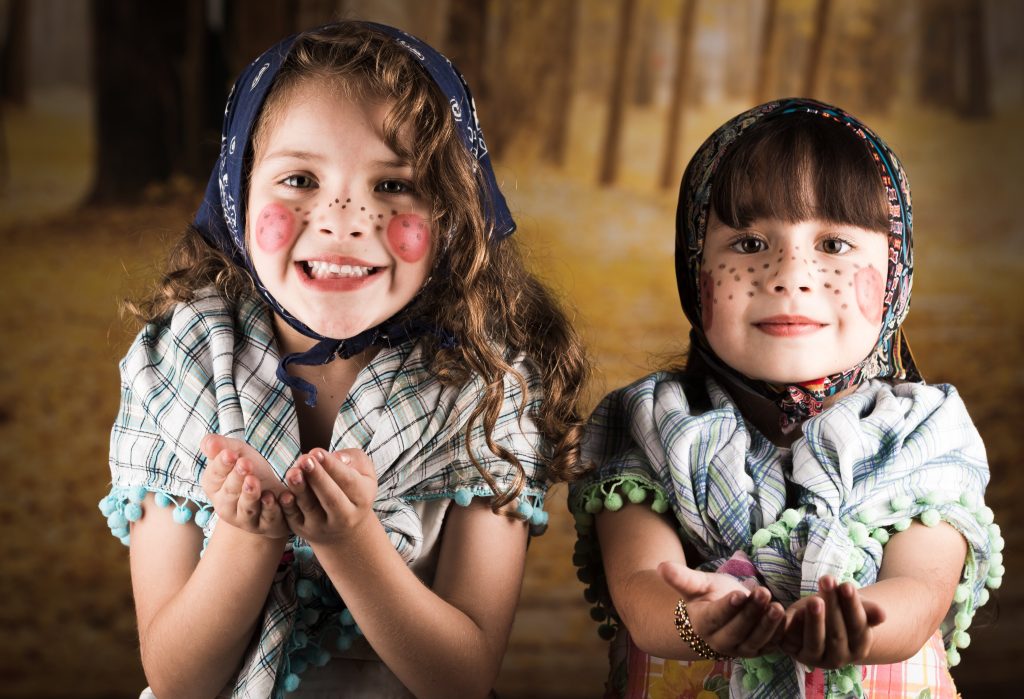
Swedes also decorate their homes with colorful feathers and twigs, and enjoy a delicious Easter smörgåsbord with dishes like pickled herring, salmon, eggs, and lamb. It’s a time of feasting and family gatherings, much like Christmas in many parts of the world.
The Philippines
Easter in the Philippines is a powerful, deeply religious experience. The week leading up to Easter, Holy Week, is filled with reenactments of the Passion of Christ. In some places, devout Catholics even reenact the crucifixion as an act of penance, though the Church does not officially encourage this practice.
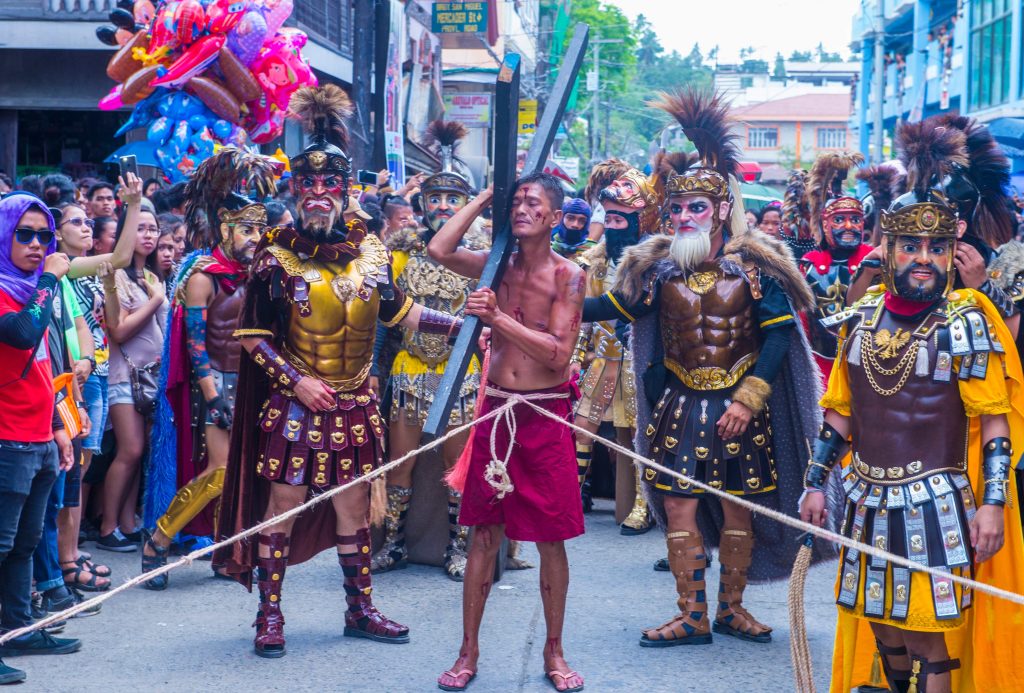
Easter Sunday, however, is a joyous celebration, with the traditional Salubong (meeting), where statues of Jesus and Mary are brought together in a symbolic reunion. It’s followed by feasts, family gatherings, and children receiving Easter eggs and treats.
Germany
Germany has one of the most beautiful Easter traditions: the Ostereierbaum, or Easter Tree. Families hang colorful, hand-painted eggs on trees and bushes, creating stunning displays. Some towns even have giant public Easter trees with thousands of eggs hanging from the branches!
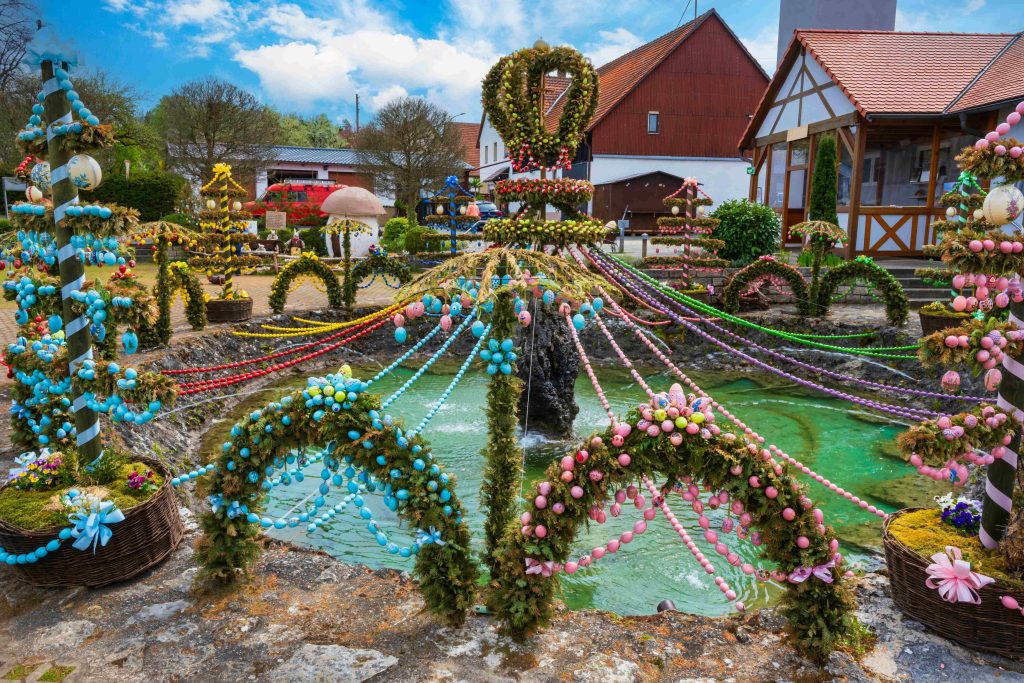
Another tradition is the Easter bonfire, where communities gather around large fires on Easter Saturday to chase away the darkness of winter and welcome spring.
United States
In the U.S., Easter is celebrated in many ways, but one of the most famous traditions is the White House Easter Egg Roll. Held on the White House lawn, this event sees children rolling eggs across the grass with wooden spoons, a tradition dating back to 1878.
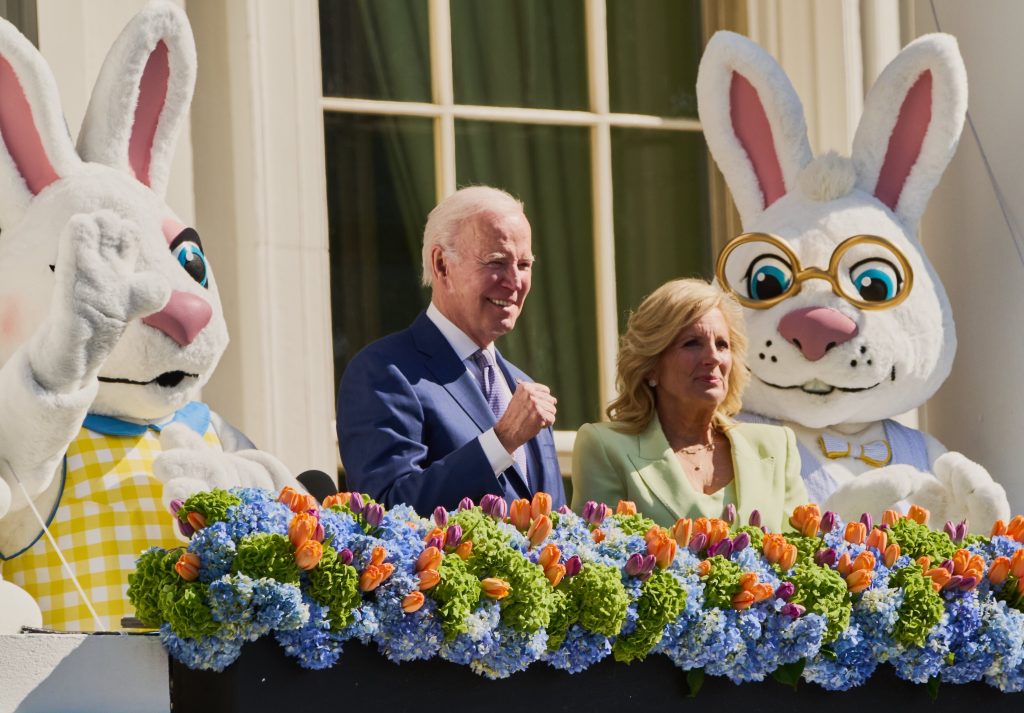
Easter in the U.S. also includes church services, Easter egg hunts, chocolate bunnies, and big family meals. Many families also celebrate by dressing up in their Easter best and attending Sunday services.
Brazil
Brazil, being a predominantly Catholic country, has a very lively and passionate Easter celebration. One of the most famous traditions is Passion Plays, where actors reenact the life and crucifixion of Jesus Christ in elaborate outdoor performances.
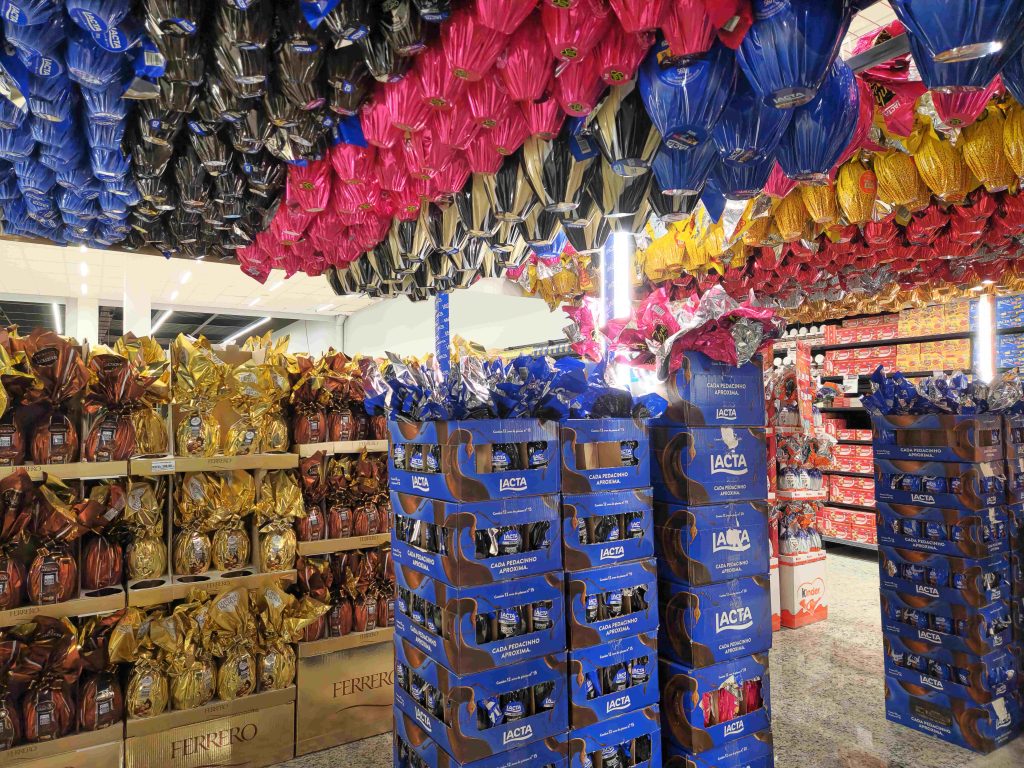
Just like in many other countries, chocolate eggs are a big part of Easter in Brazil, and supermarkets are filled with huge, beautifully wrapped chocolate eggs hanging from the ceilings
Nigeria
In Nigeria, Easter is a joyous and deeply spiritual celebration, bringing families and communities together in a mix of religious observance, cultural traditions, and festive gatherings. The holiday begins with church services on Good Friday and Easter Sunday, where Christians come together for prayers, hymns, and sermons reflecting on the resurrection of Jesus Christ.
Many churches also hold Easter retreats, night vigils, and special programs, creating a period of reflection and renewal. For most Nigerians, Easter is more than just a religious event; it’s a time to reconnect with loved ones, travel home, and celebrate with plenty of food and laughter.
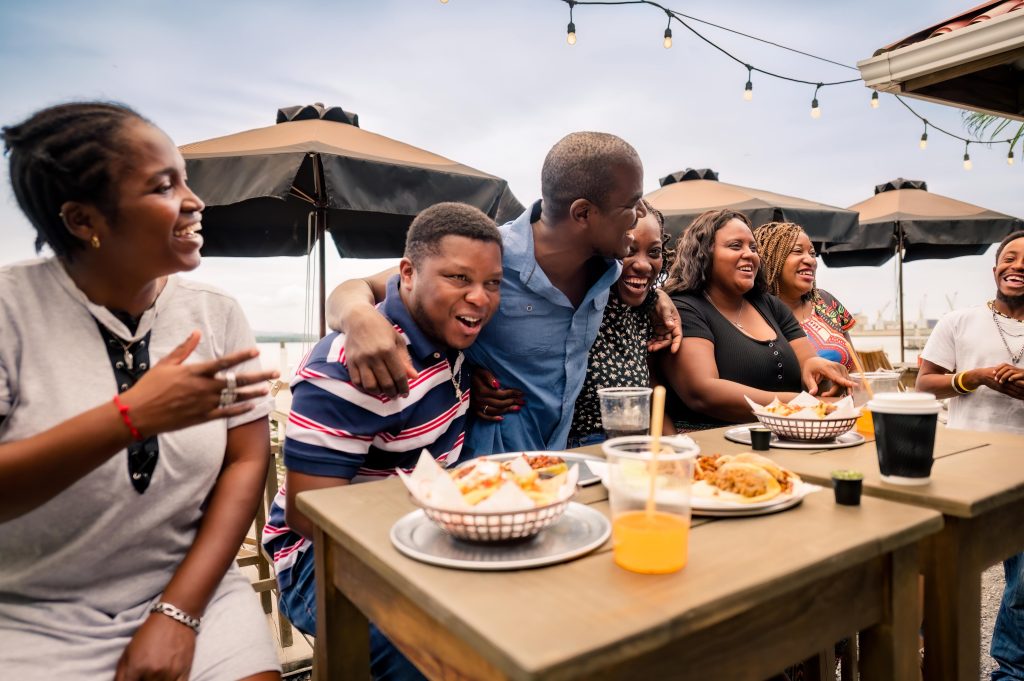
Food is at the heart of the celebration, with homes filled with the aroma of jollof rice, fried rice, grilled chicken, pepper soup, and moin moin, all shared among family, friends, and neighbors. Some people take the long Easter weekend as an opportunity for getaways to beach resorts, amusement parks, or cultural sites, while others enjoy a relaxing time at home.
In many cities, Easter Monday is celebrated with picnics, outdoor parties, and community events, making the holiday a perfect blend of faith, family, and fun. Whether through church services, festive meals, or quality time with loved ones, Easter in Nigeria is a time of joy, gratitude, and togetherness.
Easter is a beautiful celebration around the world. What makes it so special is the sense of renewal, hope, and joy that comes with it. However you celebrate, may your Easter be filled with love, laughter, and lots of chocolate!
You might also like to read
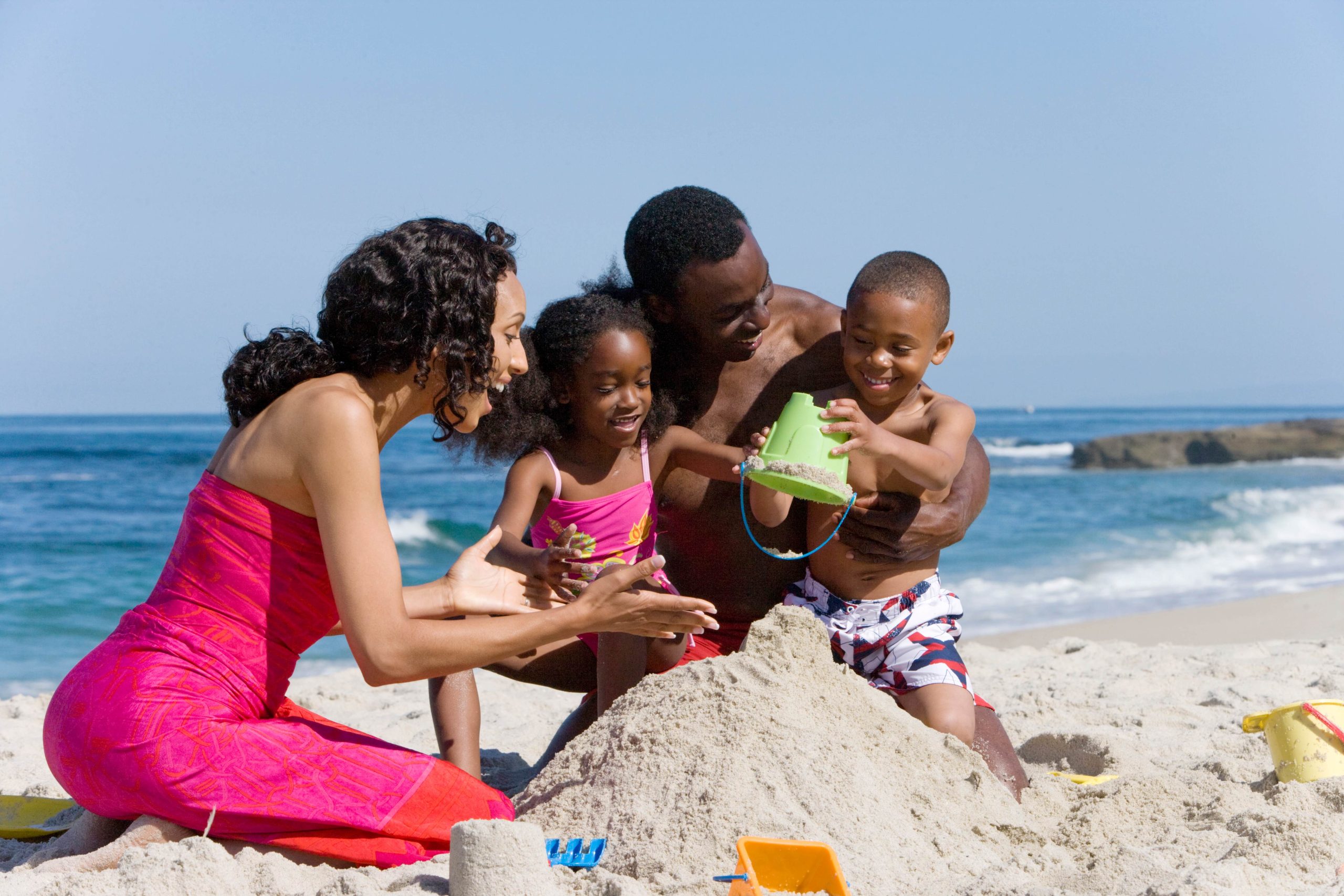
Budget-Friendly Easter Ideas for a Nigerian Family
Reading Time: 5 minutesEaster is a beautiful time for family, reflection, and celebration, but that doesn’t mean you have to break the bank to make it special. Whether you’re looking for fun outings, cosy home activities, or budget-friendly meals, there are plenty of ways to create memorable Easter experiences without overspending. From picnics at local parks to DIY […]

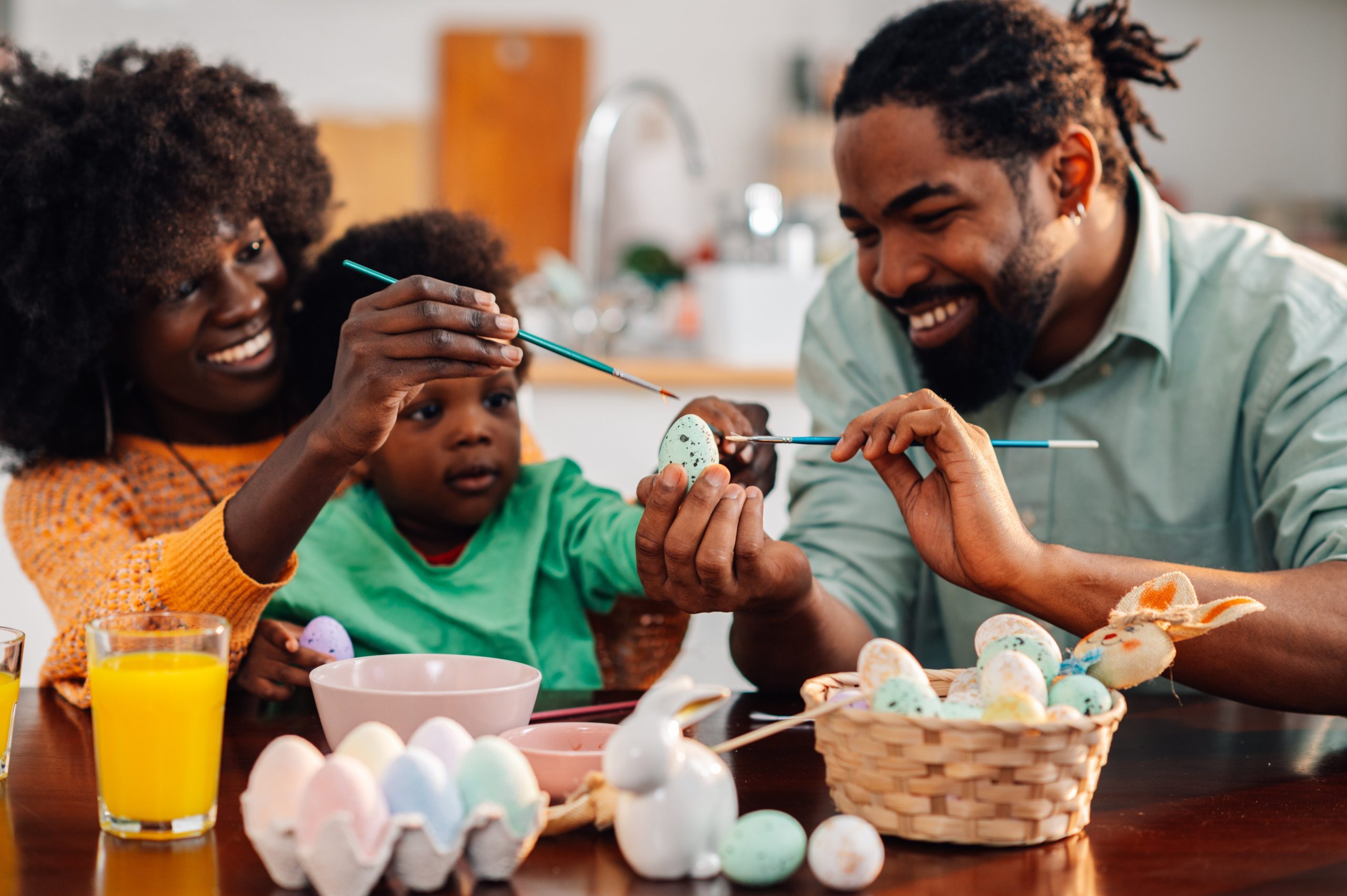
Top 5 Nigerian Spots in Lagos to Celebrate Easter
Reading Time: 4 minutesFor us, Easter in Lagos is a time for celebration, connection, and unforgettable experiences. Whether you’re looking for a vibrant beachside escape, a soulful Sunday brunch, or a family-friendly adventure, Lagos has something for everyone. From the golden shores of Landmark Beach to the lively atmosphere of Freedom Park, the city comes alive with energy and […]
10 Places to Visit in Nigeria for Easter
Reading Time: 5 minutesIf you’ve ever wanted to travel across Nigeria during the Easter period, you won’t be disappointed. In fact, the long Easter weekend affords us extra days to unwind and relax. However, deciding where to spend your Easter vacation can be challenging, especially if you are on a tight budget or have young children who want […]