

Vietnam, a land of rich history, vibrant culture, and stunning landscapes, has become an increasingly popular destination for travellers worldwide. However, as with any travel experience, it is essential to understand and respect the local customs and social etiquette to ensure a smooth and enriching journey. So, if you are visiting Vietnam, it is very important to respect the traditions and customs of the country. Before you leave on your trip, learn about the cultural norms of Vietnamese people. Simple gestures like knowing how to greet someone in the local language or what to wear can go a long way towards showing respect for them. Being kind and respectful to everyone, whether they are locals or other travellers, will also make your trip better and build goodwill.
Here’s a guide on the social etiquette for travellers in Vietnam to help you navigate the cultural nuances and avoid any mistakes:
1. Vietnamese Greetings and Interactions
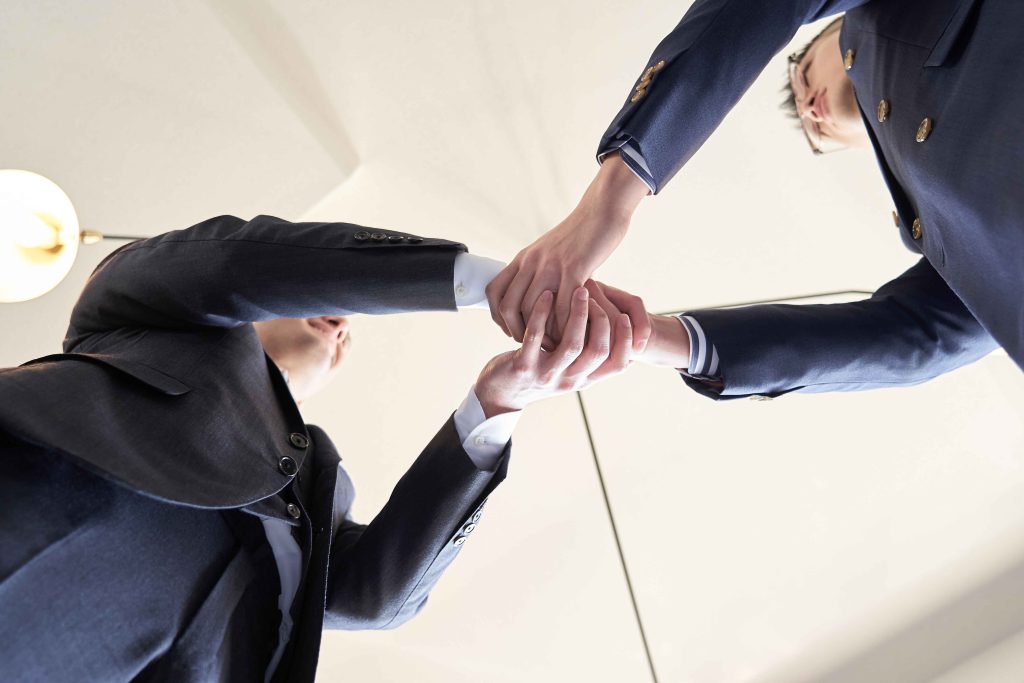
In Vietnam, greetings are more formal than in many Western cultures. A slight bow or nod is customary when greeting someone, especially in more traditional settings. The Vietnamese often avoid physical contact, so a handshake, especially between a man and a woman, may not be appropriate unless initiated by the locals. When offering a handshake, using both hands or placing your left hand on your right wrist is polite.
Tips
- Address people by their title: It’s customary to address someone by their title, such as Mr. or Mrs., followed by their first name.
- Use both hands: When shaking hands or passing something to someone, use both hands as a sign of respect.
- Smile often: Smiling is a universal gesture of friendliness and is highly valued in Vietnam.
2. Vietnamese Culture Values Modest Dressing
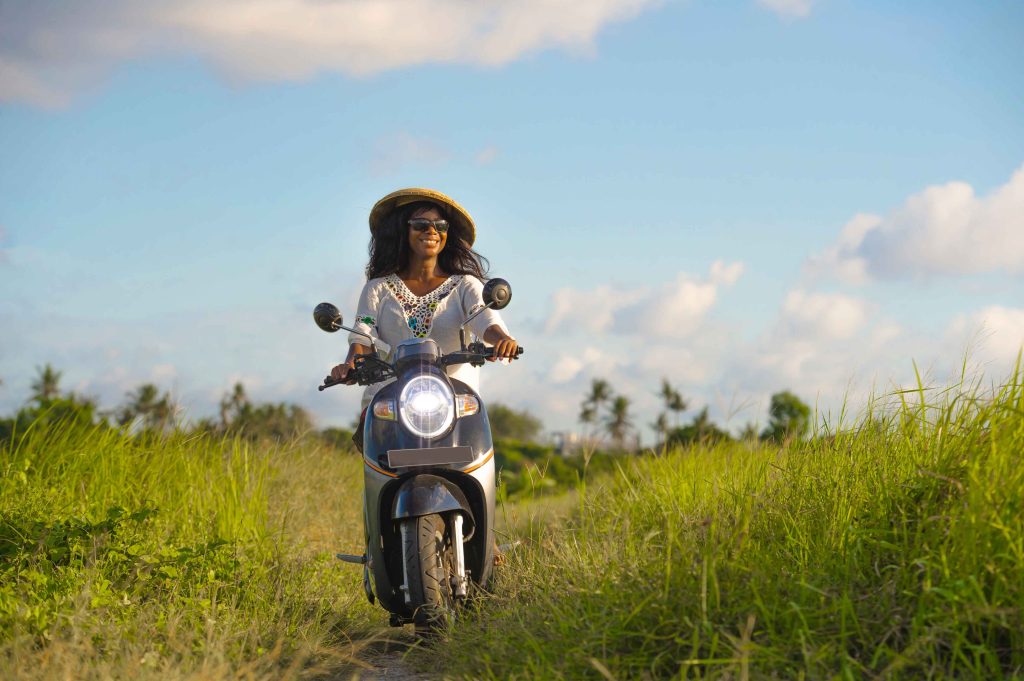
Vietnamese society is conservative, especially in rural areas and religious sites. When going to temples, pagodas, and other holy places, travellers should dress modestly by covering their shoulders and knees. Swimwear is appropriate only at the beach or pool, and topless sunbathing is considered disrespectful. Even though the dress code is less strict in cities like Hanoi and Ho Chi Minh City, it is still best to avoid wearing clothes that are too revealing.
Tips
- Cover up: Ensure shoulders and knees are covered when visiting religious sites.
- Respect the local customs: In rural areas, opt for more conservative attire.
- Prepare by carrying a light shawl or scarf to cover up when needed.
3. Respect the Elders
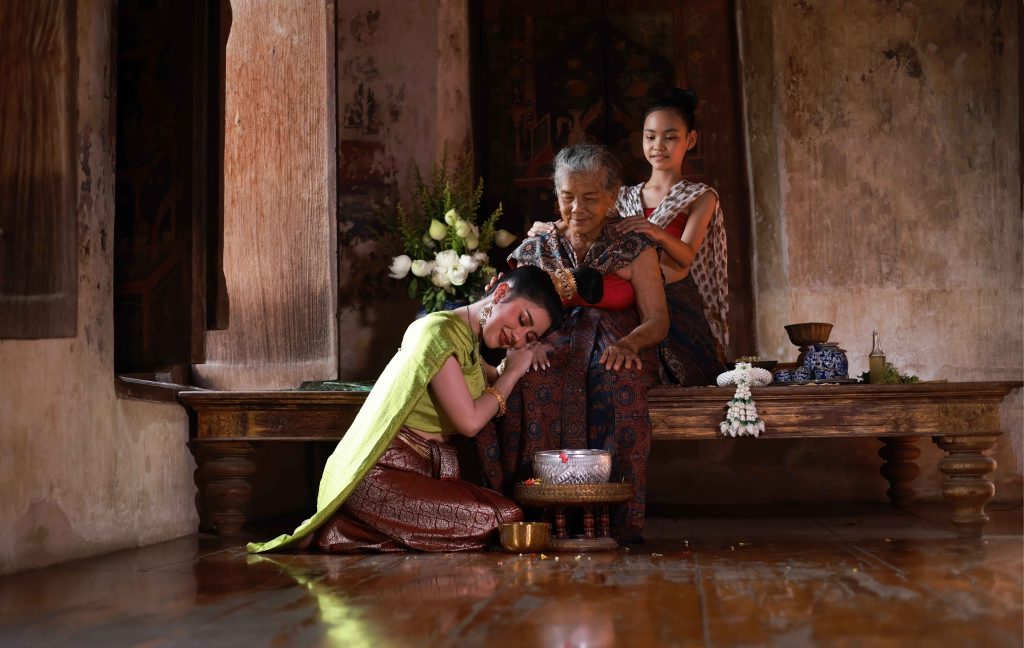
Respect for elders is deeply ingrained in Vietnamese culture. When addressing someone older than you, use formal language and show deference. It is customary to let elders take the lead in conversations, to seat them first at a table, and to serve them first at meals. When you visit a Vietnamese family, it is kind to bring a small gift for the older people. They will really appreciate it.
Tips
- Use formal titles: Address elders with formal titles like Bác (uncle or aunt) or Ông (grandfather) and Bà (grandmother).
- Defer to them in conversations: Let elders speak first and listen attentively.
- Serve elders first: Always offer food and drinks to elders before serving yourself.
4. The Do’s and Don’ts at the Vietnamese Table
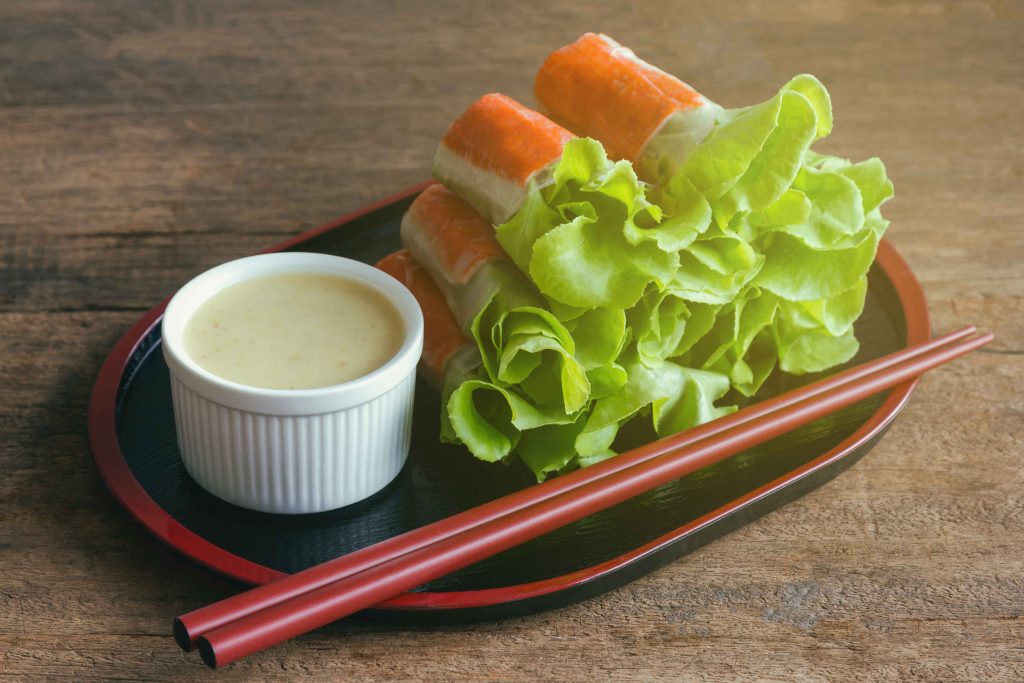
Dining in Vietnam is a communal affair, with dishes typically shared among everyone at the table. It’s important to wait until the eldest person at the table starts eating before you begin. Chopsticks are the main tool, and it is important to know how to use them correctly. For example, never leave chopsticks sticking up in a bowl of rice, as this looks like the incense sticks used at funerals and is thought to be bad luck.
Tips
- Wait to start: Don’t begin eating until the eldest person has started.
- Use chopsticks correctly: Avoid pointing with your chopsticks or sticking them upright in your food.
- Sharing is caring: Serve yourself small portions at a time, as dishes are meant to be shared.
5. Gift-Giving Etiquette
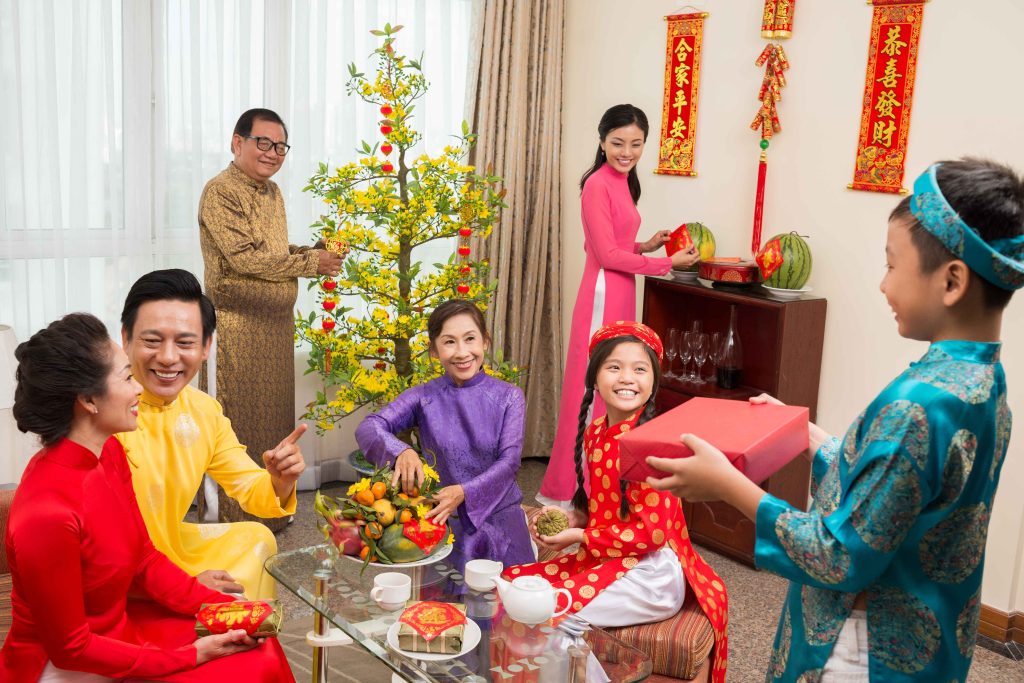
Gift-giving is a common practice in Vietnam, especially during holidays and special occasions. When giving a gift, it is polite to use both hands, and it’s common for the recipient to wait until later to open it. Do not give knives or scissors as gifts because they can mean the end of a relationship. Vietnamese culture embraces bright colors like red and yellow in gift wrapping, believing they bring good luck.
Tips
- Wrap gifts in bright colours: Red and yellow are lucky colours in Vietnam.
- Avoid sharp objects, as they symbolize severing ties.
- Use both hands: Always present and receive gifts with both hands.
6. Be Respectful in Social Settings
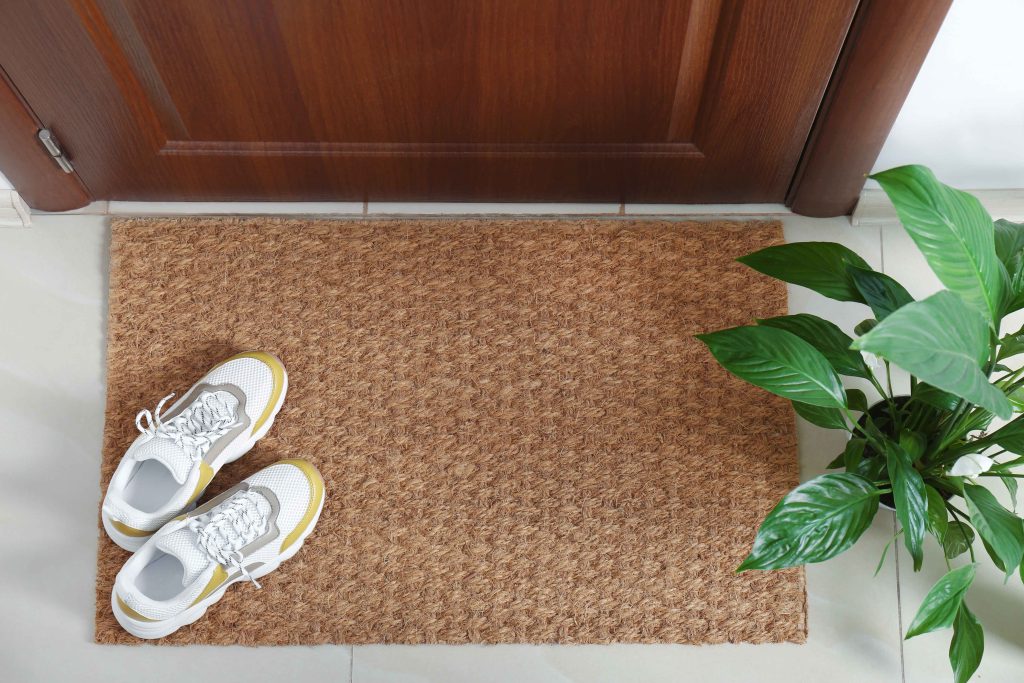
You should be careful about how you act in public because Vietnamese culture values modesty and respect a lot. Public displays of affection, such as kissing and hugging, are considered inappropriate, especially in rural areas. Loud talking or shouting is also frowned upon, as it can be seen as a sign of aggression or disrespect. When visiting someone’s home, it is customary to remove your shoes before entering.
Tips
- Keep public displays of affection to a minimum.
- Keep your voice down: Speak softly in public spaces.
- Remove shoes when entering a home: It’s a sign of respect.
7. Tipping Etiquette: When and How to Show Your Appreciation
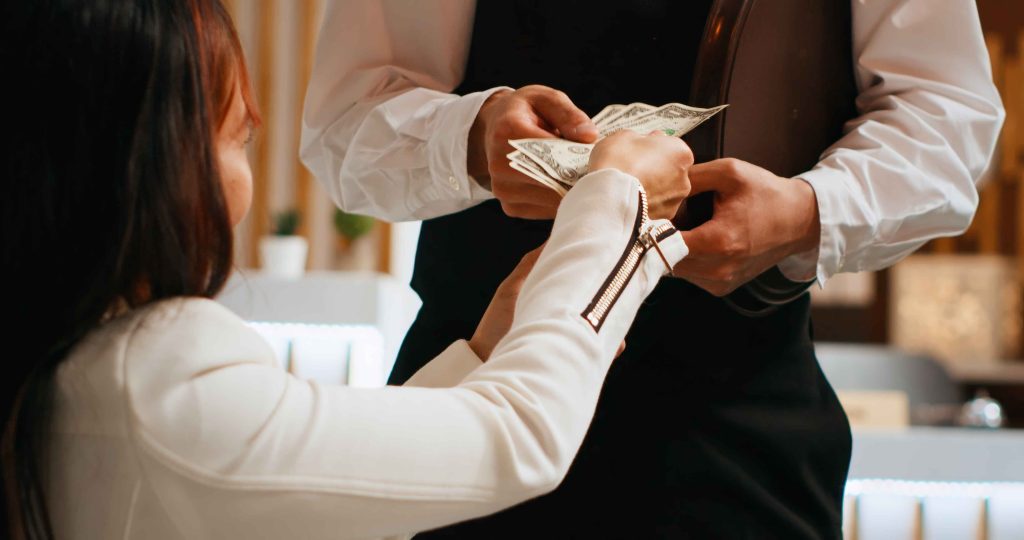
In Vietnam, tipping has traditionally not been expected, but it has become more common in recent years, especially in tourist areas. If the service is great, a small tip will be appreciated. Remember to tip quietly, keeping in mind that it’s not always necessary. When leaving a tip, it is more polite to round up the bill instead of leaving coins.
Tips
- Not always expected: Tipping is not mandatory but appreciated for good service.
- Be discreet: Tip quietly and without drawing attention.
- Round up the bill: It’s more polite than leaving small change.
8. Photography Etiquette
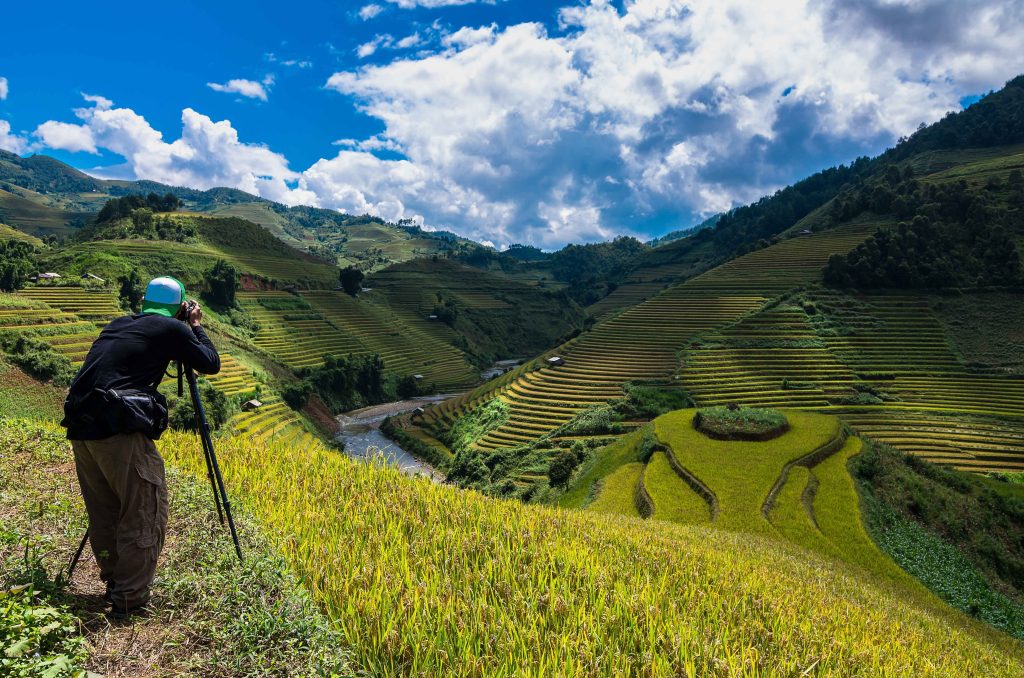
Vietnam is a photographer’s paradise, with its stunning landscapes, vibrant street scenes, and rich cultural heritage. However, it’s important to be respectful when taking photos. Always ask for permission before photographing people, especially in rural areas where locals may be more conservative. Don’t take pictures of military bases or anything else that might be seen as private and sensitive. When you go to religious sites, check the rules about taking pictures. Some places may not allow it at all.
Tips
- Ask before you snap: Always seek permission before photographing people.
- Respect no-photo zones: Some areas, especially religious sites, may have restrictions.
- Be discreet: Avoid being intrusive with your photography.
9. Transportation Etiquette
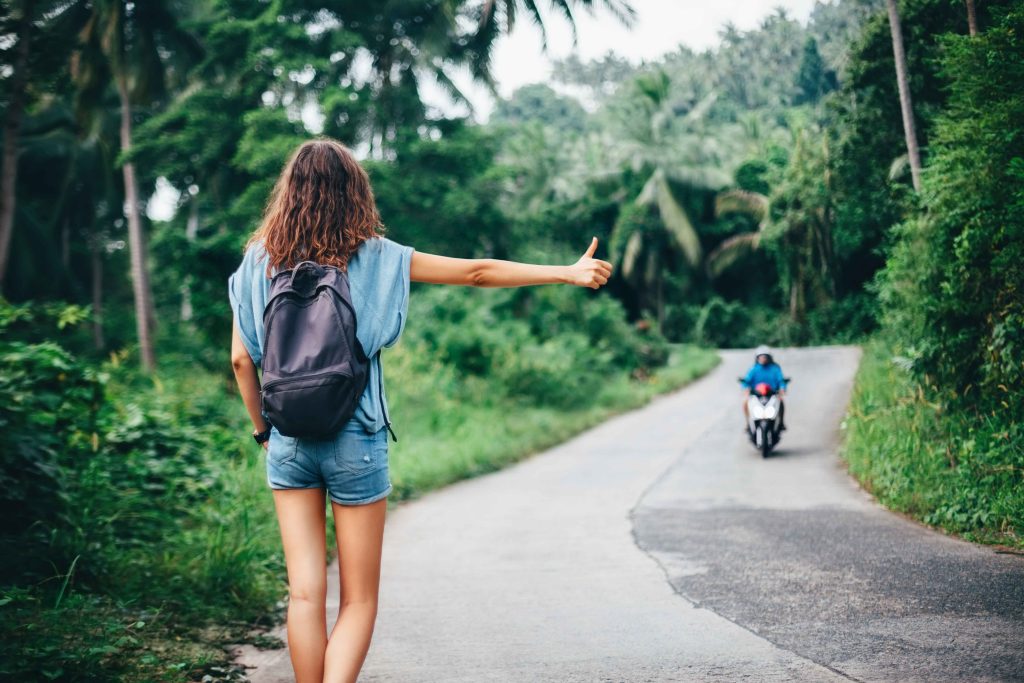
Getting around in Vietnam can be an adventure, especially in cities like Hanoi and Ho Chi Minh City, where traffic is intense. When crossing the street, do so slowly and steadily; vehicles will typically move around you. When riding a bus or train, it is polite to give up your seat to an older person, a pregnant woman, or someone with a disability. When taking a motorbike taxi (xe ôm), it is common to talk about the fare ahead of time to avoid any confusion.
Tips
- Cross streets with caution: Move slowly and let traffic flow around you.
- Offer your seat: Always give up your seat to those in need.
- Agree on fares in advance: This avoids disputes with motorbike taxis.
10. Show Reverence at Temples and Pagodas
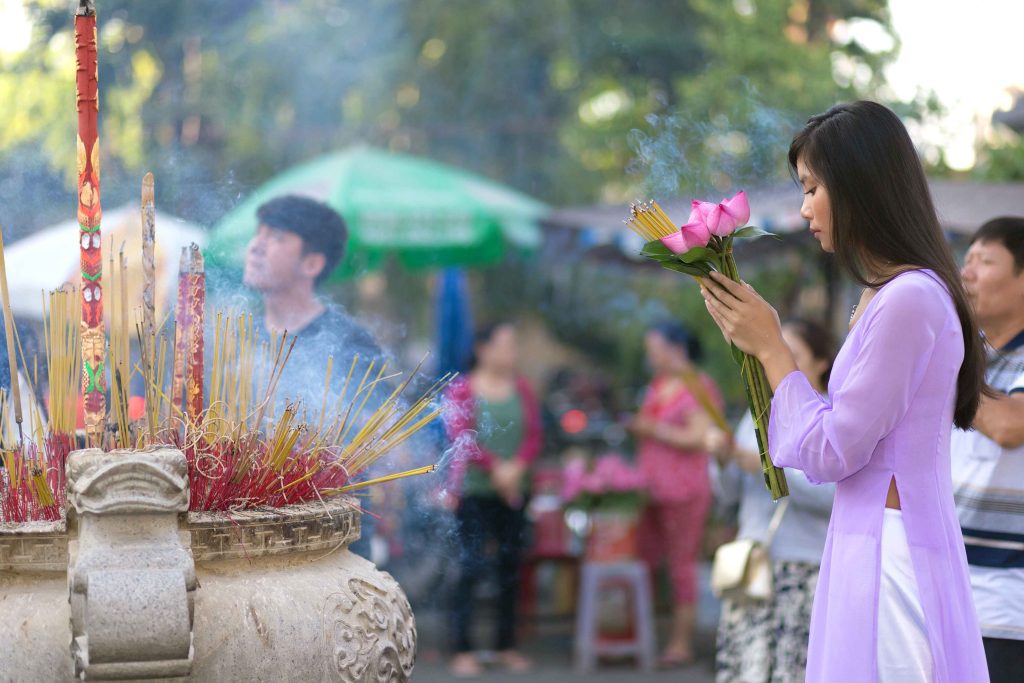
Vietnam is home to many beautiful temples and pagodas, which are not only architectural wonders but also important spiritual sites. When visiting, dress modestly, covering your shoulders and knees, and remove your shoes before entering. Avoid touching statues or religious objects, and refrain from taking photos during prayers or rituals. It’s also important to maintain a quiet and respectful demeanour, as these places are sacred to the Vietnamese people.
Tips
- Dress appropriately: Cover up when visiting temples and pagodas.
- Remove shoes: Always take off your shoes before entering.
- Be respectful: Avoid touching religious items and maintain a quiet atmosphere.
Vietnam has a lot of different social etiquette that you should follow if you want to have a great trip there. With these tips, you will be able to confidently get around Vietnam and connect with its people in a meaningful way.
You might also like to read
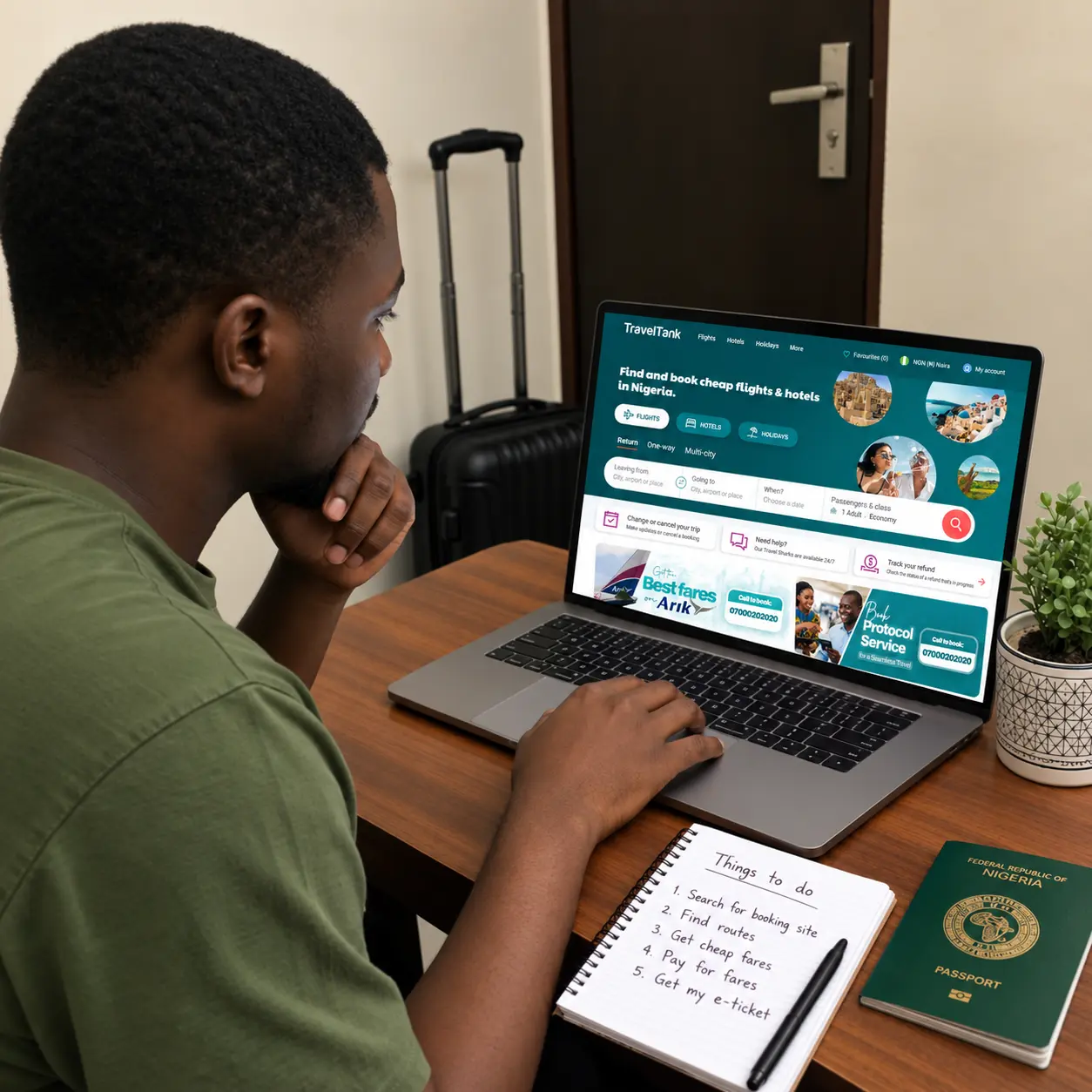
How to Book a Flight Online: A Step-by-Step Guide.
Reading Time: 19 minutesBooking a flight online is simply the process of searching for available flights to your destination, choosing the option that fits your schedule and budget, entering passenger details, paying or reserving the fare, and receiving a booking reference or e-ticket. For many people, the entire process can be quick when documents and payment are ready, […]

Markup-vs-commission-based-travel-affiliate-programs: What’s the Difference?
Reading Time: 8 minutesHave you ever wondered why some travel agents earn more than others? The secret often lies not in their follower count but in their choice of travel affiliate programs. Last year, a Lagos-based travel blogger spent six months promoting international hotel bookings through a commission-based travel affiliate program. She earned ₦180,000 total. Her friend, who […]
How to Earn ₦500,000/Month Reselling Flights and Hotels Online in Nigeria
Reading Time: 9 minutesThink about the last time someone you know booked an international flight. Did they do it alone? Or did they ask someone for help? Most travellers prefer booking tickets through a trusted person. Someone who can explain the prices, the visa requirements, and whether that stopover in Istanbul needs a transit visa. That person can […]