

Countless travel suggestions and tips abound on the internet now more than ever. There are also many pieces of advice that sound either too good to be true or like an attempt to sell you something. You’ll discover that people giving you advice on what to do have little personal experience with travel or the destination you’re planning to visit. So beware!
We learned from COVID-19 to carefully research the information we find on the internet. So, how can you tell the difference between good and bad travel advice? Whether you want to take a romantic trip to Hawaii or seek out solitude on Kenya’s Lamu Island by escaping the bustle of the city, you might need some travel information.
As a result, we’ve put together a list of the worst online travel tips that you should ignore this year;
Don’t go out at night
You must have heard a lot about this advice. However, nighttime is not really a bad time to explore a city. Discovering a city’s nightlife enhances your travel experience and gives you the chance to make new friends. When you travel, taking in the local nightlife can be a great way to get a sense of the local culture and atmosphere.

Nightlife can be a unique aspect of a destination’s culture, and experiencing it firsthand can be a rewarding and memorable way to learn more about a place. Many people come out at night to unwind after a long day in offices or touring their destination. However, before you step out, you should learn about the safest places to visit at night.
Change currency at the airport
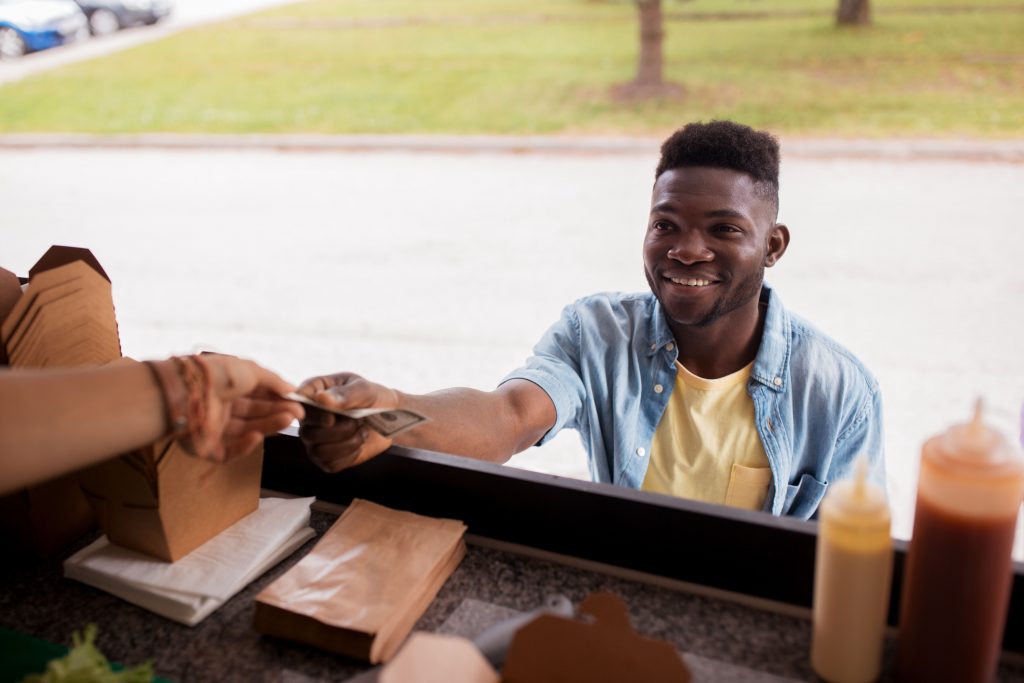
Generally speaking, it is not a good idea to exchange money at the airport. Compared to other options, airport currency exchange offices frequently charge exorbitant fees and provide subpar exchange rates. However, you can change a small amount at the airport unless you will need cash immediately at your destination.
 +
+
The ability to exchange currencies is available in every country, so you can travel with US dollars. Therefore, whenever you travel, we advise using US dollars as a backup currency. A zippered money belt can be useful for storing your cash while you move around the city.
Street food can poison you
Unfortunately, people avoid eating street food because of exaggerated concerns about food poisoning. On the other hand, if locals eat it and it looks good, you probably can eat it too. The local cuisine and culture of a place can be thoroughly experienced by sampling its street food. It frequently appears on the local food scene and can give you a taste of the regional flavours and customs.
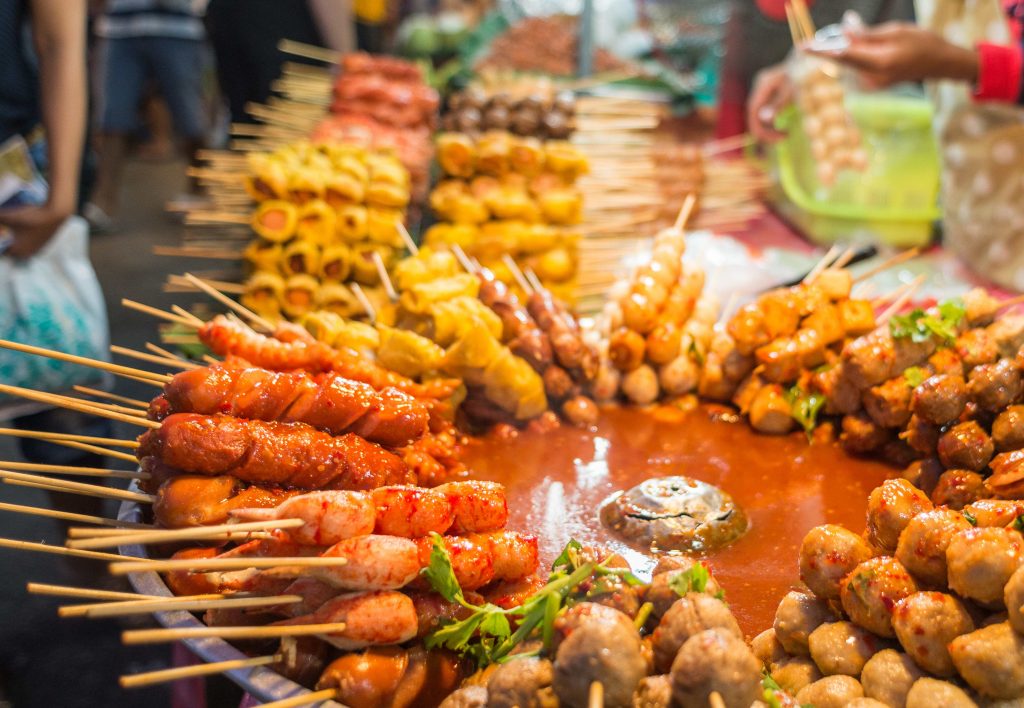
Street food can be tasty! Many street food vendors have developed their recipes over time and have become experts in a particular type of dish, resulting in tasty and authentic food. In comparison to eating at restaurants, street food is frequently less expensive, making it a cost-effective choice for travellers.
However, try to acclimatise your stomach before you consume more street food. If you exercise some caution, eating food from a street vendor can be just as healthy as eating food from a restaurant. Consider buying from vendors who handle food safely and with clean equipment. Additionally, it’s a good idea to wash your hands before eating and stay away from raw or undercooked meat and seafood.
Don’t use public transport
If you need to get somewhere quickly, you can take a taxi. However, taking public transportation offers you a different kind of journey. You can discover some of your destination’s hidden areas by using public transportation.

Despite some people insisting that public transportation should be avoided due to pickpocketing or low crime rates, it’s recommended that you ask the locals or hotel staff on how to use it. If you want to visit a location that is not a well-known tourist destination, think about taking public transportation.
Furthermore, if you are travelling for a long time, public transportation is frequently less expensive than using a taxi or renting a car. When you share a ride with others to your destination, you can save more money. Similarly, taking public transportation can be a great way to get to know the locals and experience their culture.
Travel insurance is a waste of resources
Avoiding paying for insurance when you travel is a costly mistake. You should always have travel insurance because going without it could cost you more money. If you don’t have insurance, medical expenses abroad could put you in a terrible financial situation. You shouldn’t take your health for granted because international emergencies can occur. For many travellers, purchasing travel insurance can be a wise investment because it can offer financial security in the event of unforeseen events like trip cancellation, unexpected medical costs, or misplaced luggage.
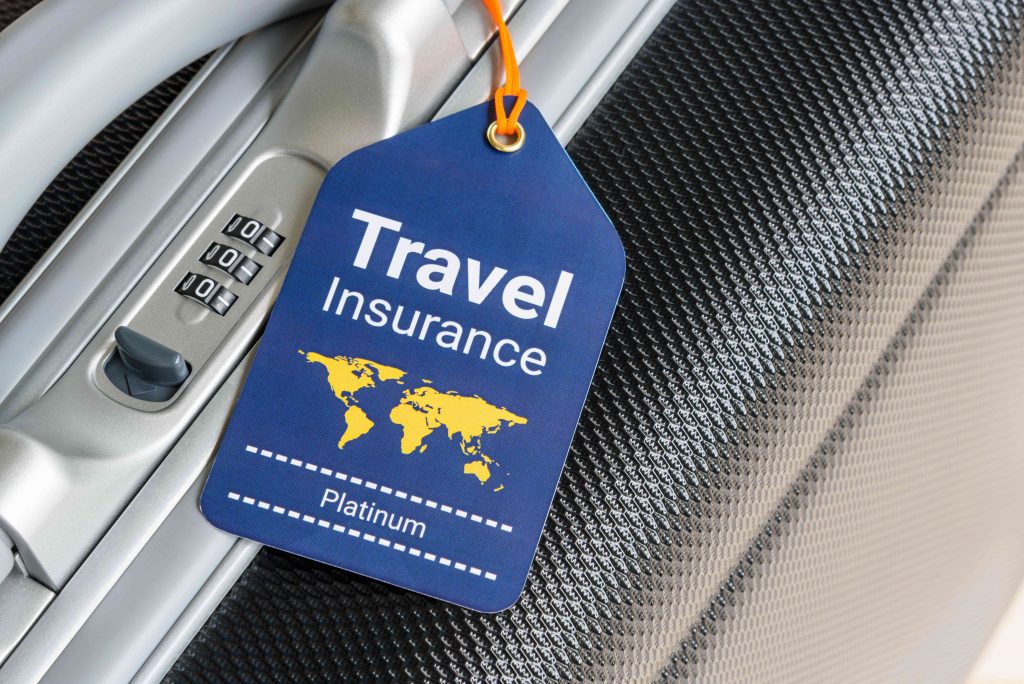
Travel insurance plans can be altered to meet your unique requirements and financial constraints. Whether you want more comprehensive insurance or just basic coverage, you can select the level of protection that is best for you. Travelling is exhilarating, but it loses its appeal if you don’t have enough money to support it.
Plan everything before you travel
It may not be a good idea to plan everything before you leave. When you plan, you can avoid uncomfortable situations, but the most authentic thrill of a place is lost. While making plans in advance can help ensure a smooth and enjoyable trip, it’s also crucial to allow for some flexibility and spontaneity when travelling. If you leave some wiggle room in your schedule, you’ll be able to adapt to changing circumstances and take advantage of any unexpected opportunities or detours.
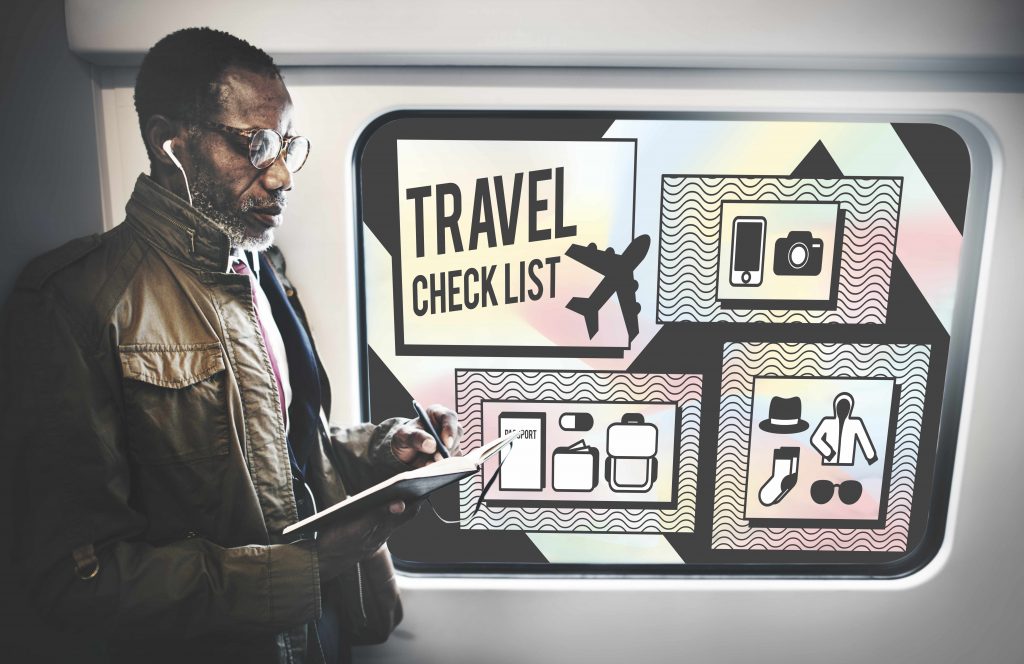
For instance, it might be difficult to change your scheduled movements if you have planned how to get to your favourite tourist attractions and purchased tickets. It can be stressful and exhausting to plan every detail of your trip, which could result in burnout. You can unwind and recharge if you give yourself some unscheduled time. While we don’t advise against planning your trip, don’t ruin the experience by sticking to what you read online.
You need 30 minutes between flights
Due to their reliance on this travel advice, passengers have experienced panic attacks. Even though you have 30 minutes to book a flight before your next scheduled flight, that does not guarantee that you will be successful. It is generally advised to give yourself at least a few hours between flights so you have enough time to get off your first flight, find your way around the airport, and arrive at your next gate in plenty of time.

However, the precise amount of time you require between flights can vary depending on a number of factors, including the size and layout of the airport, the distance between gates, and the time it takes to check in and go through security. Generally speaking, it’s a good idea to give yourself at least an hour between flights, especially if you’re passing through a big or unfamiliar airport. As a result, there will be less chance that you will miss your subsequent flight and you will have plenty of time to make any necessary connections.
Use traveller’s cheques For emergencies
Many travellers have given up on traveller’s checks because they might not be able to use them in an emergency. You don’t want to waste time trying to find someone who will accept your check from abroad. Due to their ability to be replaced in the event of loss or theft, traveller’s checks can be a practical and secure way to carry cash while travelling. Keep in mind that prepaid cards may not be widely accepted and can be difficult to redeem quickly, so they may not be the best option for emergencies.
You might still receive a poor exchange rate even if you find a business that accepts traveller’s checks. Therefore, we advise you to bring cash or your credit or debit cards when you travel in case of emergencies. In an emergency, credit and debit cards can be a practical way to access money because they are widely accepted. To avoid having your account frozen for suspicious activity, make sure to inform your bank beforehand about your travel plans. As a backup plan, you ought to think about carrying a little cash with you. Keep this cash in a hidden pocket or other safe location, such as a money belt.
You can overstay your visa
Ignore this terrible piece of travel advice. Immigration authorities may take serious action against you if you overstay your visa. Furthermore, you might miss your chance to enter the nation again. It is important to respect the terms of your visa and not overstay your allowed length of stay in a foreign country.
Overstaying your visa can result in deportation, hefty fines, and difficulty in obtaining a visa in the future. It’s important to adhere to the visa regulations to avoid such consequences. In some cases, overstaying your visa can result in legal problems, such as being detained or arrested. Overstaying your visa can harm your reputation and make other nations less likely to issue you a visa in the future.
It’s unsafe for women to travel alone
This is terrible travel advice, so disregard it. For single women who want to travel the world, there are no restrictions on their ability to do so. We understand that people who give you this advice do so with your best interests in mind. However, don’t be deceived. Male and female solo travellers have the same chance, and anything can happen to them. While some nations may not be safe for single women to visit, this hasn’t stopped women from going there.

While travelling alone can be fun and empowering for women, it’s important that they follow certain safety precautions. Be aware of your surroundings, keep in touch with loved ones, and take care of your belongings.
Stay away from locals
When travelling, it is generally not a good idea to avoid interacting with locals. Locals can be a great resource for knowledge and offer insightful knowledge of a destination’s culture and customs. A great way to find out about off-the-beaten-path locations and experiences that you might not find in guidebooks is to speak with locals.
In light of this, it’s crucial to be aware of your surroundings and to exercise caution when interacting with locals. It is especially important to respect their boundaries if you are travelling to places of worship. Before visiting any destination, learn about the locals to improve your ability to communicate with them.
You might also like to read
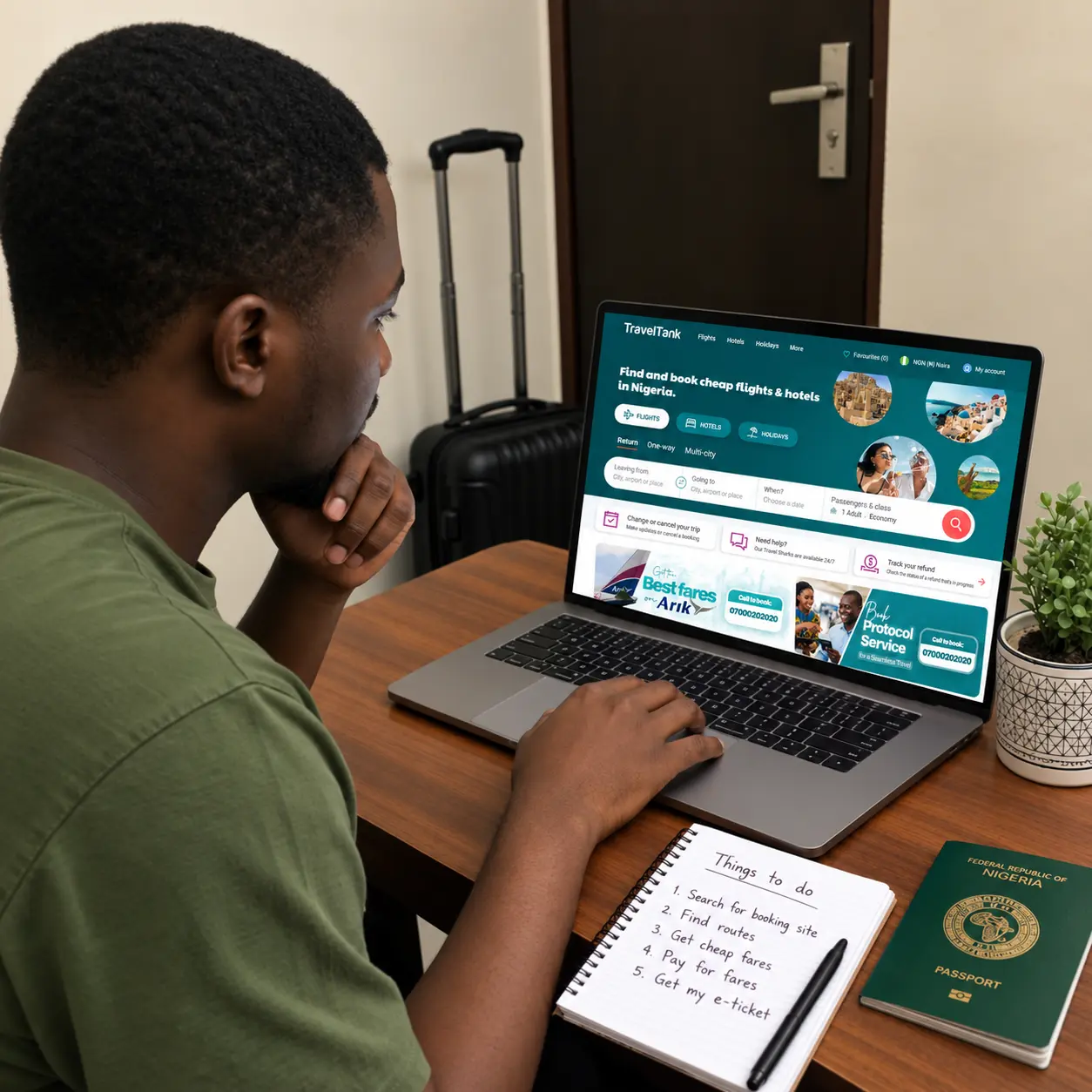
How to Book a Flight Online: A Step-by-Step Guide.
Reading Time: 19 minutesBooking a flight online is simply the process of searching for available flights to your destination, choosing the option that fits your schedule and budget, entering passenger details, paying or reserving the fare, and receiving a booking reference or e-ticket. For many people, the entire process can be quick when documents and payment are ready, […]

Markup-vs-commission-based-travel-affiliate-programs: What’s the Difference?
Reading Time: 8 minutesHave you ever wondered why some travel agents earn more than others? The secret often lies not in their follower count but in their choice of travel affiliate programs. Last year, a Lagos-based travel blogger spent six months promoting international hotel bookings through a commission-based travel affiliate program. She earned ₦180,000 total. Her friend, who […]

How to Earn ₦500,000/Month Reselling Flights and Hotels Online in Nigeria
Reading Time: 9 minutesThink about the last time someone you know booked an international flight. Did they do it alone? Or did they ask someone for help? Most travellers prefer booking tickets through a trusted person. Someone who can explain the prices, the visa requirements, and whether that stopover in Istanbul needs a transit visa. That person can […]