

There’s something magical about Lagos in December. The city comes to life. The air is warmer, the nights are longer, and the laughter is louder. You can hear Afrobeat floating through open windows, smell suya grilling on street corners, and see the sky blush gold as the sun melts into the Atlantic. Lagos celebrates life itself in December. If you are visiting this December or just looking for fresh ways to enjoy the season, here are some spots that capture the spirit of Lagos, such as its rhythm, beauty, chaos, and charm, all waiting to be explored.
1. Lekki Conservation Centre
A few minutes into the Lekki Conservation Centre and the city noise fades to birdsong. The air feels cooler here, thick with the scent of wet leaves and earth. The famous canopy walkway, which is one of the longest in Africa, is reached by wooden walkways that wind through mangrove forests. From way up high, you can see a sea of green that is calm, still, and beautiful.
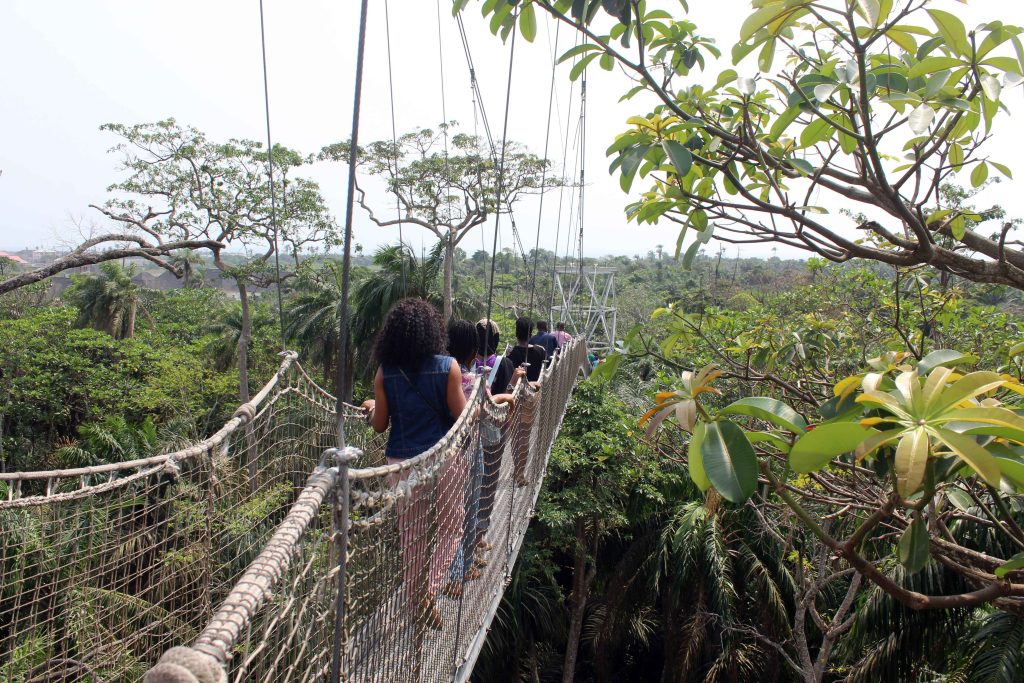
This sanctuary is a reminder to slow down in a city where everything moves quickly. Families walk around quietly, couples take pictures, and kids laugh as monkeys swing by. The centre is open every day, from 9 a.m. to 6 p.m. If you want to walk the canopy, it’s best to go in the morning before the sun gets too high.
2. Nike Art Gallery
When you walk into the Nike Art Gallery, it feels like you’re in a kaleidoscope of colours. Every wall tells a story with its tall canvases, carved masks, and intricate beadwork. There is so much creativity in this four-storey space that it’s hard not to be moved. The air is full of energy, as if every brushstroke is alive.
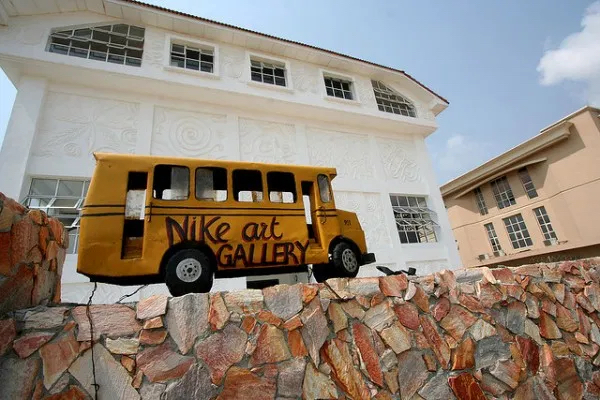
The gallery, which has more than 8,000 works on display, is one of the largest in West Africa. Chief Nike Davies-Okundaye started it. It is a cultural experience. You can meet local artists, watch them work, or shop for beautiful handmade things.
It’s located in Lekki and open every day from 10 am to 6 pm. It’s a must-see for art lovers and anyone who wants to feel the creative heart of Lagos.
3. Tarkwa Bay Beach
Reaching Tarkwa Bay begins with a boat ride. As you leave Victoria Island behind, the skyline fades and the breeze grows softer. The short trip across the lagoon feels like an adventure of its own. When the boat touches shore, you’re greeted by soft sand, the scent of salt, and the rhythm of waves rolling in.

Tarkwa Bay is one of Lagos’ best-kept secrets, a quiet, sheltered beach perfect for swimming, lounging, or simply breathing. Local vendors sell grilled fish, coconuts, and palm wine under thatched umbrellas.
You can rent surfboards, ride jet skis, or just watch the sunset paint the sky. Boats run regularly from Marina or Fiki Jetty, and entrance fees are minimal.
4. Freedom Park
Once a colonial prison, Freedom Park has transformed into a garden of memories. The old walls now host art installations, cafés, and open-air concerts. The place comes alive on December nights, with live bands, poetry readings, and laughter filling the hot air. You can almost feel the stories of people who used to walk these grounds when you sit under fairy lights with a cold drink. The park represents change, turning pain into beauty and being stuck into creativity.

It is on Broad Street in Lagos Island and is open every day from morning until late. It costs about ₦500 to get in, and most evening shows are free or you can buy tickets at the door.
5. The Kalakuta Museum
Few places in Lagos carry the same electric energy as the Kalakuta Museum in Ikeja. Once the home of Fela Kuti, it now stands as a shrine to his life and music. His stage clothes are on display in glass cases, his old saxophones shine softly, and every wall seems to be vibrating with Afrobeat. As you walk through the rooms, you can feel his rebellious spirit. He’s brave, doesn’t care what people think, and is willing to stand up for what he believes.
There’s also a rooftop bar where you can listen to his songs as the city hums below. The museum opens daily from 10 am to 6 pm, with guided tours available. Entry is around ₦2,000, and every minute inside feels like a time capsule of Nigeria’s golden sound.
6. The Upside-Down House
The Upside-Down House on Victoria Island turns reality on its head, literally. Tables hang from the ceiling, beds float above you, and the fridge is even upside down. It’s silly, confusing, and so much fun that you can’t help but have it. The walls are bright, the furniture is playful, and every corner begs for a photo.
It is the best place to take a break from serious sightseeing and have some fun. Kids love it, and adults secretly do too. Entry costs about ₦5,000, and it’s open from 10 am to 7 pm daily. Go with friends, laugh, and take ridiculous pictures; that’s the whole point.
7. La Campagne Tropicana
About two hours from central Lagos lies La Campagne Tropicana, a beach resort that blends natural beauty with Yoruba tradition. It features wooden chalets facing the sea, palm trees swaying above hammocks, and drummers welcoming you with rhythmic beats. The Nigerian way of life is a mix of luxury, nature, and beach life.
December is high season here, and for good reason. Guests spend the day kayaking through mangroves, riding horses on the beach, or watching the sun set behind the Atlantic. Evenings bring bonfires, seafood grills, and dance performances. Rooms start around ₦100,000 per night, but day passes are available too. It’s the kind of place that reminds you how rich and diverse Nigeria’s coast truly is.
8. Makoko Boat Tour
Few experiences are as humbling as gliding through the waterways of Makoko. Known as the “Venice of Africa”, this floating community thrives in the Lagos Lagoon. Wooden houses stand on stilts, and narrow canoes serve as taxis, markets, and playgrounds. People live on the water. Kids paddle to school, women sell fish from their boats, and men fix their fishnets while music plays from tin roofs.
Visiting Makoko is about understanding. It shows a different side of Lagos: strong, creative, and full of life. Since this is a working community and not a tourist site, you should always go with a local guide you can trust. It costs about ₦10,000 for a boat tour that lasts 1 to 2 hours. The best pictures are taken in the early morning or at sunset.
9. Lekki Arts and Crafts Market
Tucked away behind the Lekki-Epe Expressway is the Lekki Arts and Crafts Market, a treasure trove of Nigerian art, fabric, and handmade goods. The air is thick with the smell of wood polish and spices. Stalls overflow with Ankara prints, leather sandals, woven baskets, and carved sculptures.
Here, bargaining is an art form. Vendors call out playfully, offering discounts with a smile. You’ll likely leave with far more than you planned, maybe a drum, a necklace, or a painting that captures the soul of Lagos. Bring cash, patience, and a good sense of humour. The market opens daily, but mornings are best before the afternoon heat.
10. Oniru Beach
If Lagos had a heartbeat, it would thump at Oniru Beach. As the sun sets, the beach transforms, fairy lights flicker, DJs spin Afrobeats, and the city’s young crowd gathers to dance barefoot in the sand. The waves crash softly in the background, and laughter carries on the wind. December is prime beach-party season here. Weekends are lively but never overwhelming, and there is also room for quiet walks. You can grab a grilled fish platter, sip a cocktail, or simply sit back and watch the city let loose.
The beach stays open until late at night. It’s the best place to feel the spirit of Lagos: raw, happy, and full of life.
Don’t just visit Lagos; experience it. If you plan your December right, you’ll come home with sea breezes, wood-carved stories, lacquered masks, and sunrises that will bring back memories.
You might also like to read
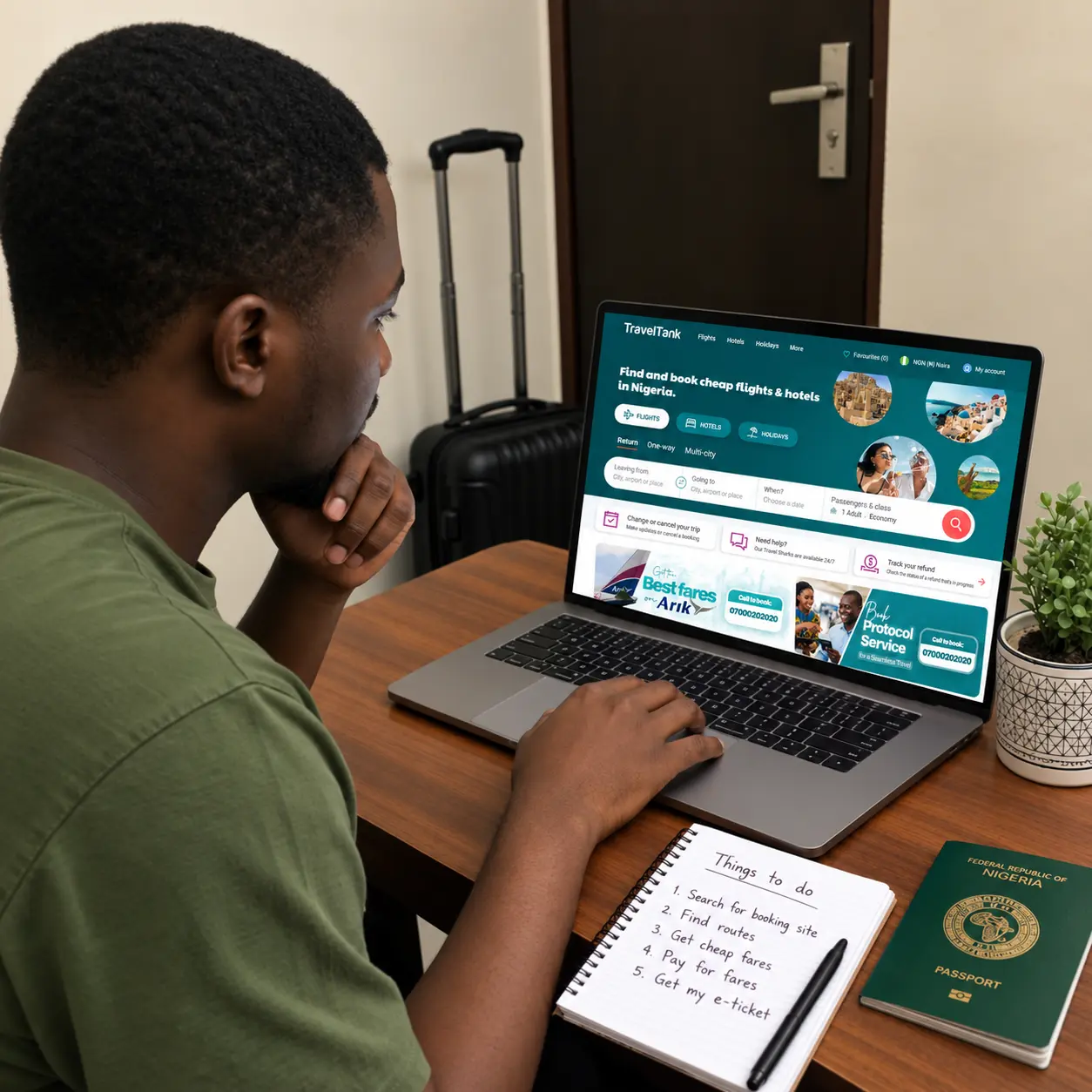
How to Book a Flight Online: A Step-by-Step Guide.
Reading Time: 19 minutesBooking a flight online is simply the process of searching for available flights to your destination, choosing the option that fits your schedule and budget, entering passenger details, paying or reserving the fare, and receiving a booking reference or e-ticket. For many people, the entire process can be quick when documents and payment are ready, […]

Markup-vs-commission-based-travel-affiliate-programs: What’s the Difference?
Reading Time: 8 minutesHave you ever wondered why some travel agents earn more than others? The secret often lies not in their follower count but in their choice of travel affiliate programs. Last year, a Lagos-based travel blogger spent six months promoting international hotel bookings through a commission-based travel affiliate program. She earned ₦180,000 total. Her friend, who […]
How to Earn ₦500,000/Month Reselling Flights and Hotels Online in Nigeria
Reading Time: 9 minutesThink about the last time someone you know booked an international flight. Did they do it alone? Or did they ask someone for help? Most travellers prefer booking tickets through a trusted person. Someone who can explain the prices, the visa requirements, and whether that stopover in Istanbul needs a transit visa. That person can […]