
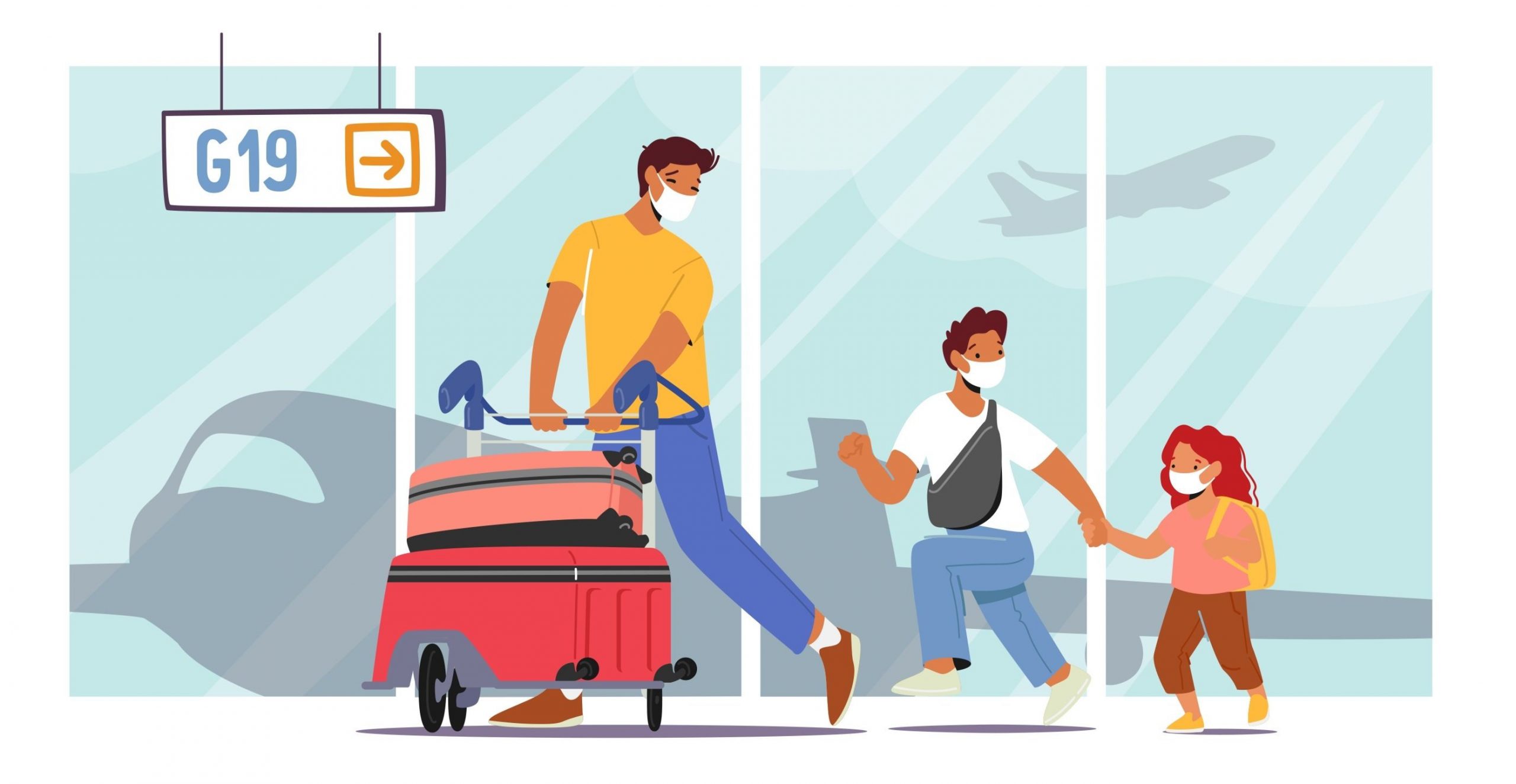
Having a newborn baby is one of life’s greatest joys, but does that mean you won’t be able to travel for a while after that? Of course not.
While travelling with an infant can be daunting at first, with the right planning and mindset, travelling as a new family can be highly rewarding.
Read our top tips for travelling with an infant;
-
Keep their immunizations up to date
Sticking to your baby’s immunisation schedule is always important, but it is even more important when you are travelling. When you are at home, your infant is likely to be exposed to the same people, places, and germs. But when travelling, they can be exposed to a lot of new and different things. Additionally, find out if your destination requires any specific vaccinations, and make sure your child receives them well in advance of your trip.

-
Wash your hands frequently
When travelling with an infant, avoid touching handrails, chairs, and money that has been touched by others, as these are the places where you are most likely to catch germs.
While you probably have good enough immunity that this won’t be a problem, these germs can attack an infant. So, wash your hands regularly and keep alcohol gel with you. Make sure you are always handling your bundle of joy with clean hands.
-
Invest in quality gear
On a long drive, the right car seat can mean the difference between a sleeping and crying baby. When walking around the city, a good stroller can make the difference between a relaxing stroll and a stressful stampede. A travel bag that lets you organise and access all your baby essentials will reduce stress when dealing with a crying baby on an aeroplane. While good-quality products are a bit more expensive, they can make a huge difference when you are travelling.
-
Get a baby carrier
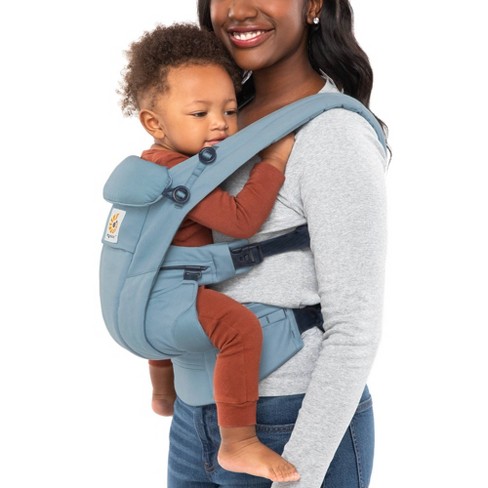
When you are travelling, you generally need to be mobile, whether you are exploring museums or going on hikes. While you might not use a baby carrier (a backpack-style sling to carry your baby on your chest or back) at home, it can make you feel much more independent and like a young traveller when you are on the road.
-
Schedule drives during nap time
If you are driving, you can try and schedule your longer stints on the road during your infant’s regular nap time so that they are more likely to sleep. If you are taking a short flight, you can do the same thing. This just means that they are more likely to sleep through and less likely to be tired and fussy when you arrive at your destination.
-
Plan your flights
While you might be accustomed to just finding the cheapest flight, this is not always the best approach when travelling with a baby. There are other factors to take into account in addition to picking an exit time that may coincide with when your child needs to start sleeping.
Choose direct flights whenever possible to minimise the hassle of transfers and waiting times. Try to book seats where there is no one in front of you. This means it is easy to get up to the bathroom or to stretch your legs, but you don’t have people climbing over you. Most airlines will assign you seats at the very front if you are travelling with a baby.
-
Take advantage of free flights for babies
Don’t forget that many airlines let your baby travel for free until they are about two years old. So, if you master flying with your baby, this is a great time to travel.
-
Bring a pacifier
You may not let your baby use a pacifier at home, but it can be important on a plane. The changing altitude can hurt their sensitive new ears and sucking on a pacifier is one of the best ways to help them deal with that pain.

-
Include extra time in your schedule
Travelling with an infant means that everything takes a bit longer. You are likely to be the last off the plane. You probably can’t run to catch the bus that is just leaving, and you’ll need to stop for feeds, changes, and breaks when you are walking around. Assume that everything will take about 1.5 times as long as it would if you were alone.
-
Consider what essentials you need
When it comes to packing, people you know who have travelled with infants will have varying opinions. Some will advise you to bring everything you could possibly need, while others will advise you to travel lightly. This really depends on where you’re going.
If you are on a city break in the U.S. or Europe, you can probably buy whatever you might need. If you are heading somewhere more remote, it is probably better to be safe than sorry. Make a very specific packing list based on your infant’s needs and where you are going.
-
Try and keep feeding and sleep schedules consistent
It might feel hard to stick to your regular feeding and sleeping routine when you are on the road, but you will find that you have a much more cooperative baby who is less likely to dissolve into tantrums because they are tired and hungry.
Keeping these things consistent will help them adapt to strange surroundings more quickly. It will also let you get back into your home routine more quickly when you return.
-
Pack bedding and toys from home
Being exposed to lots of new people and different places can be unsettling for infants that are accustomed to their life at home. Packing familiar things, including their favourite blanket and stuffed toy, can add a level of security that will keep your baby happy and give them the confidence to be a bit more curious about the new things around them.

-
Consider entertainment
Young babies tend to sleep a lot when travelling, which can make them easier to travel with than older babies or toddlers! But whatever the age of your child, you should bring them appropriate toys to keep them entertained. This can make a long car ride or a packed airplane much more tolerable for you and anyone sitting nearby.
-
Ask for help
You don’t have to struggle alone. If you need help, ask for it. Most people will be happy to hold something for you while you organise yourself and your baby, swap seats for you to help you get more comfortable or find the only baby seat in a crowded restaurant for you to use.
Acting self-entitled because you have a baby with you tends to annoy people. But a genuine request for reasonable assistance will almost always deliver even more than you asked for.
-
Take care of yourself
When travelling with an infant, especially for the first time, you can be so preoccupied with them that you can forget what you need, and you can forget about having fun. If you aren’t going to enjoy and appreciate where you are travelling, was it really worth it?
Your infant probably won’t remember this trip, but you will! Make your positive experience a top priority.
 Previous post
You might also like to read

Markup-vs-commission-based-travel-affiliate-programs: What’s the Difference?
Reading Time: 8 minutesHave you ever wondered why some travel agents earn more than others? The secret often lies not in their follower count but in their choice of travel affiliate programs. Last year, a Lagos-based travel blogger spent six months promoting international hotel bookings through a commission-based travel affiliate program. She earned ₦180,000 total. Her friend, who […]


How to Earn ₦500,000/Month Reselling Flights and Hotels Online in Nigeria
Reading Time: 9 minutesThink about the last time someone you know booked an international flight. Did they do it alone? Or did they ask someone for help? Most travellers prefer booking tickets through a trusted person. Someone who can explain the prices, the visa requirements, and whether that stopover in Istanbul needs a transit visa. That person can […]

Top Travel Affiliate Programs in Nigeria (2026 Updated List)
Reading Time: 10 minutesNigeria’s travel market is worth billions in annual bookings. Over 15 million Nigerians fly each year through Murtala Muhammed International Airport (MMIA) and Nnamdi Azikiwe International Airport (NAIA). If you want a share of that revenue, the right travel affiliate programs in Nigeria have on offer in 2026 are your clearest entry point. This guide […]