

As we recover from recent challenges, 2023 is a renaissance year for global travel. But with this resurgence comes the need to be more careful and responsible. We are talking about your safety here, and it is a big deal! Travel safety in 2023 is more important than ever. With the world always changing, avoiding pickpockets is no longer enough. You have to think about health issues, online safety, and other complicated things.
So, we have compiled a list of useful travel safety tips for 2023 that will make your trips safer, easier, and stress-free. These tips will help you navigate various situations, whether you are backpacking across Europe, on an African safari, or in Southeast Asia’s exotic landscapes. They will help you take charge of your safety and have stress-free adventures.
Pre-Travel Preparations for Safety
For your safety, you should make some preparations before your trip. First, thoroughly research your destination. Learn its laws, customs, culture, and safety. When it comes to safe travel, knowing more is better.
Second, let your bank know about your travel plans so that your card does not get blocked. You should also make photocopies of your passport, visa, and airline tickets. Keep a set with you and remember to leave a copy at home. In the event that the originals are lost or stolen, this will serve as a useful backup.

Find out if your health insurance policy covers you outside of the country. Travel insurance that includes medical coverage is recommended if your current policy does not provide adequate protection. Before leaving on a trip, make sure you check the latest government travel advisories.
Packing for Safe Travel
When it comes to keeping your belongings safe while traveling, packing is an art form. It is better to travel lightly so as not to draw attention to yourself. When you have less stuff, it is less of a hassle to keep track of it all.
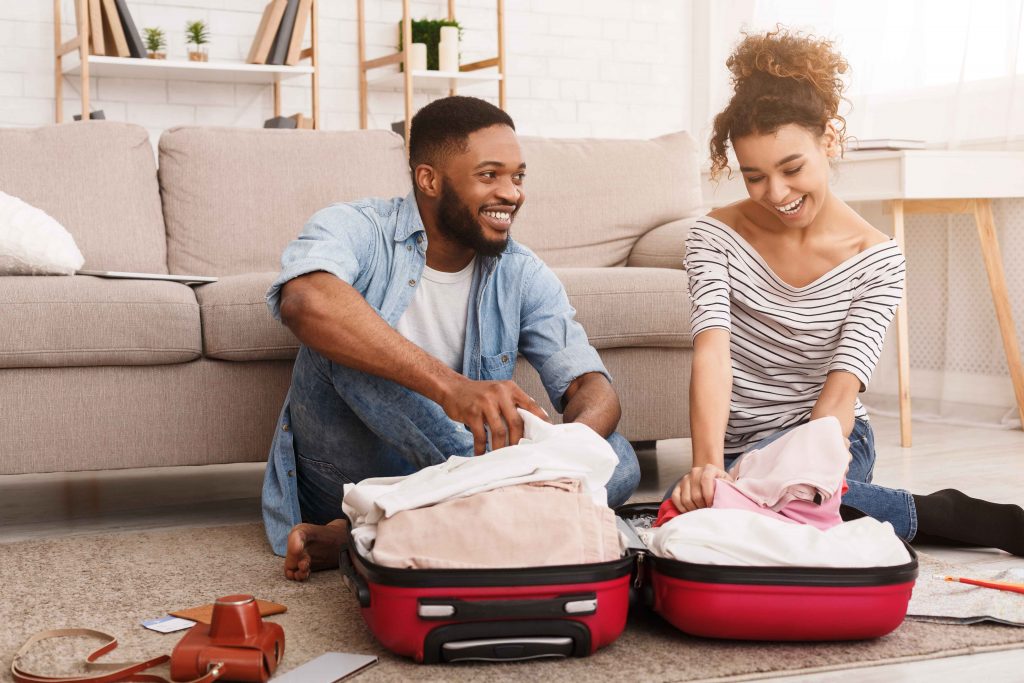
Make sure you have all the necessities in your carry-on. This includes your passport, money, electronics, and a change of clothes. Should anything happen to your checked luggage, at least you will have your essentials with you.
Do not forget to bring along a first aid kit stocked with essential medications. You can never tell when you will need it.
Reliable Transportation Tips
Getting around safely is a top priority when visiting a new city or country. It is important to only use legitimate transportation options. Stay away from unofficial taxis and rideshares. They might be cheaper, but you will not be as safe with them. If you can, plan your arrival for the day, when most businesses are open and public transportation is readily available.
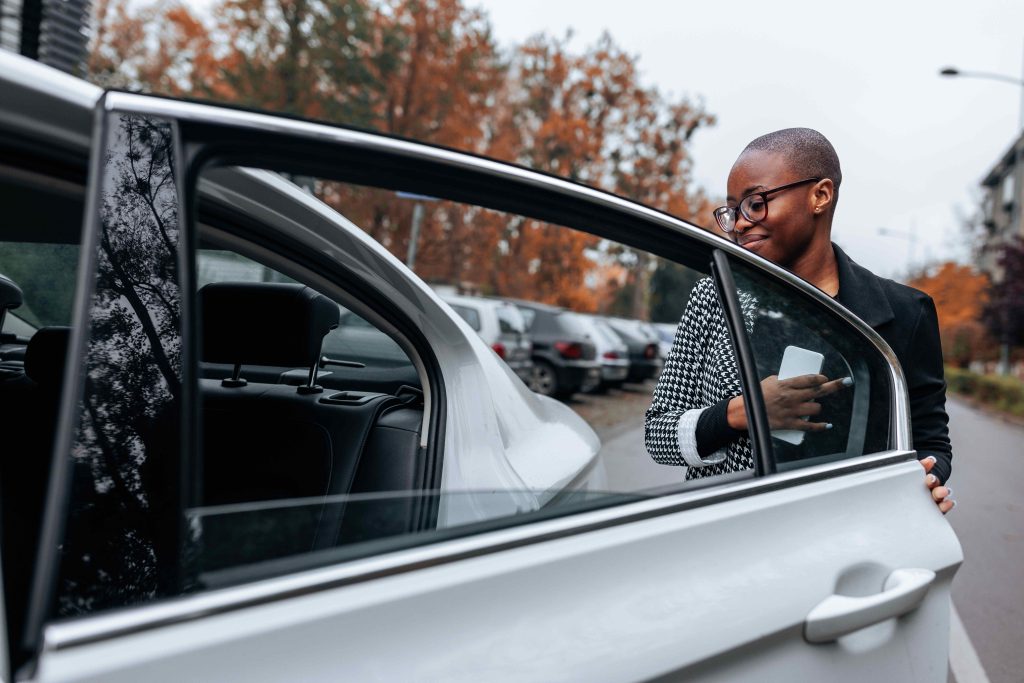
Always be aware of your surroundings when riding public transportation. Keep your belongings close and do not go out late at night if you can help it, especially if you are in a less populated area.
If you are going to rent a car, make sure you know the rules of the road in the area and that it is in good working order.
Accommodation Safety Measures
It is critical that you feel safe in your lodgings because they are essentially your home away from home. Always book your stay with a reputable hotel or service provider. Check the security measures they have in place, such as guards on duty 24 hours a day, doors that can be locked, and safe deposit boxes.
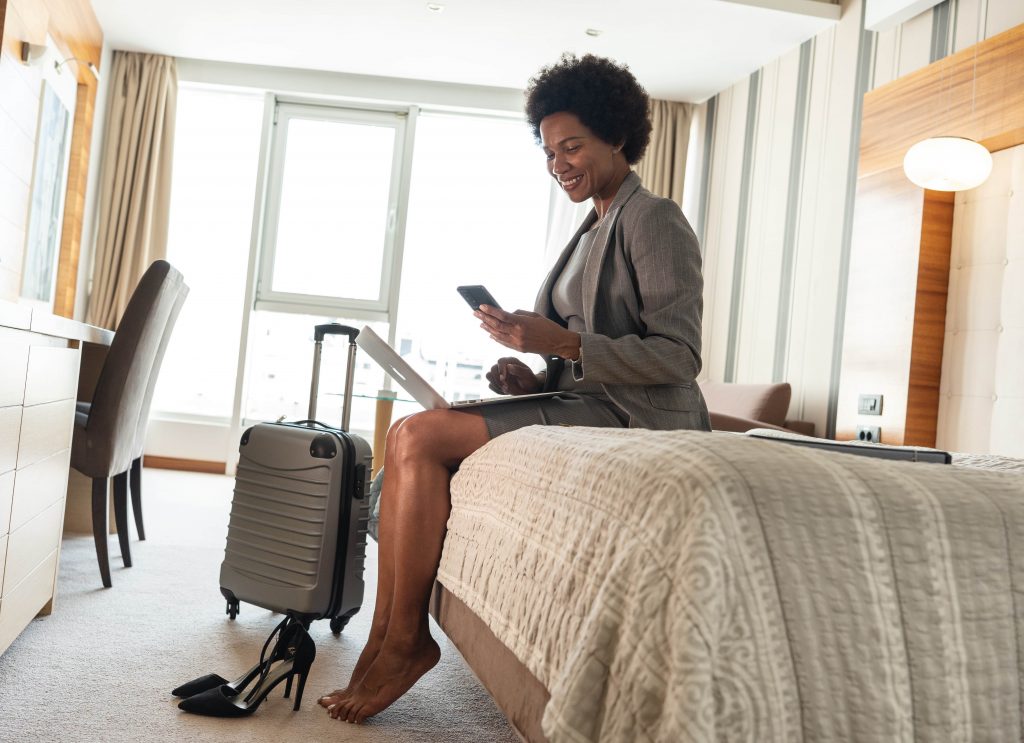
Get acquainted with the hotel’s emergency exits and procedures once you have checked in. Never, ever leave your room unlocked, whether you are inside or out. Never give out your room number or let anyone into your room unless you know who they are.
Navigating Foreign Locations Safely
Discovering a new area is exciting, but it also presents its own difficulties. Always have a map on you or a GPS app loaded on your phone when traveling abroad. It is best not to stand out too much from the neighborhood’s regulars. Do not go walking around at night in places that are not well-lit or populated. Unless you are a local, do not venture too far from the tourist traps.
Finally, remember to abide by local laws and customs. You still need to adhere to them despite the fact that you are a foreigner. Listen to the local news to learn about upcoming protests and natural disasters that could affect your plans.
Food and Drink Safety While Traveling
When you travel, it is important to try the local food. But you should be careful about what you eat and where you eat it. Always eat at places that are clean and reputable. Do not eat food on the street unless trustworthy locals tell you to.
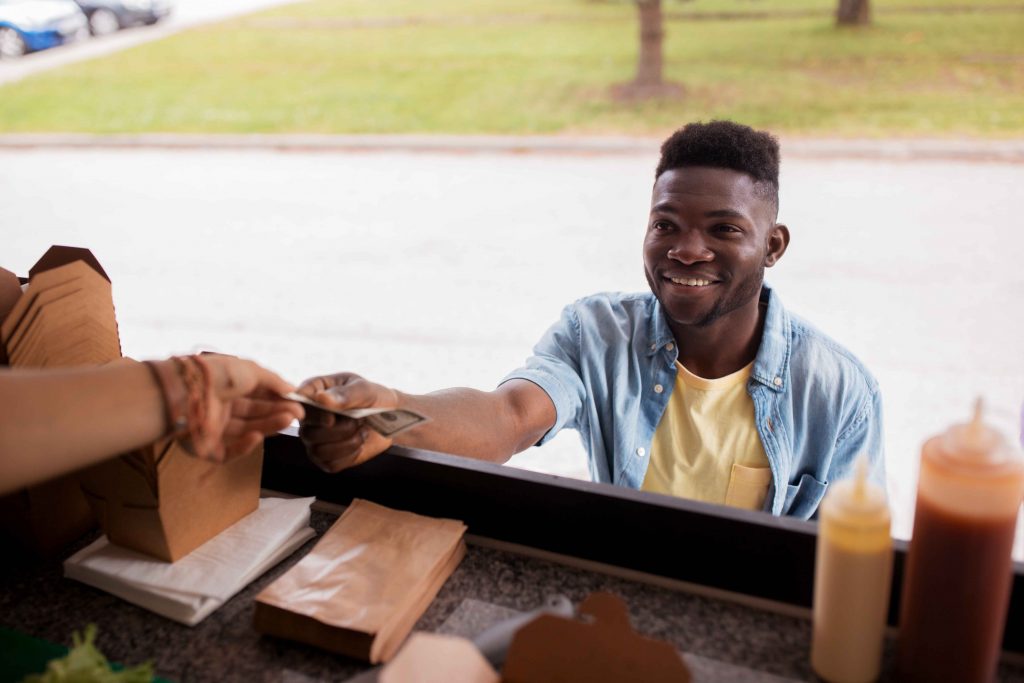
Keep yourself hydrated, but only if you know for sure that the water from the tap is safe to drink. Instead, you should drink purified water from a bottle. Keep in mind that you might have trouble digesting the local food. That is why it is important to ease into trying new foods.
Personal Safety and Security Measures
Your own safety depends on you taking responsibility for it. Keep your senses sharp and your eyes open. Keep your valuables hidden from view. It is best not to bring anything too flashy or expensive. Do not tell random people where you are going or when. You can never tell who will take advantage of the information.
Follow your instincts. If you have a bad feeling about something or someone, leave the situation.
Health Safety Tips and Travel Insurance
Health safety is an important part of safe travel. Before leaving on your trip, make sure you are in good shape. In order to prevent diseases, it is important to get the shots prescribed by the CDC and the WHO.
You should be fully vaccinated, both with the standard set of shots and any others that may be necessary for your destination. Keep up with the latest COVID-19-related legislation and mandates in your area, such as testing, quarantining, and mask usage restrictions.
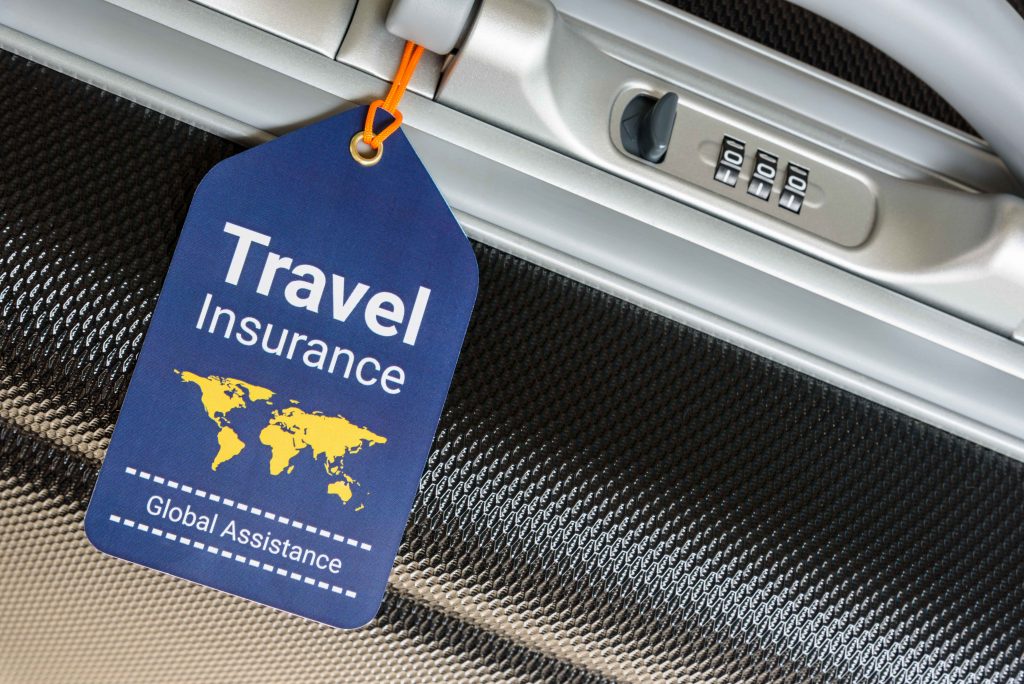
Bring along any prescribed medications as well as a first aid kit. You should always carry a medical alert card with you that describes your condition and how to contact you in the local language. It is also recommended to purchase travel insurance. In the event of an emergency, it can help pay for medical bills, rebooking fees, and even lost luggage.
Safe Money Handling and Scam Awareness
When you are on the road, you must practice safe money management. Do not walk around with a lot of cash. When possible, pay with a credit or debit card. You could also use a money belt or a neck wallet to hide your cash. Travelers should be wary of common scams at their destination. Tourists are a common target for scammers. So, if a bargain appears unbelievable, you should probably avoid it.

Use only authorized money exchange services. Unofficial ones might give you fake currency or a bad exchange rate.
Digital Safety While Traveling
In this digital age, being safe online is just as important as being safe in the real world. Public Wi-Fi hotspots are a breeding ground for cyber threats, and you should be careful when using them while traveling. If you want to ensure your online safety, you should connect to a VPN.
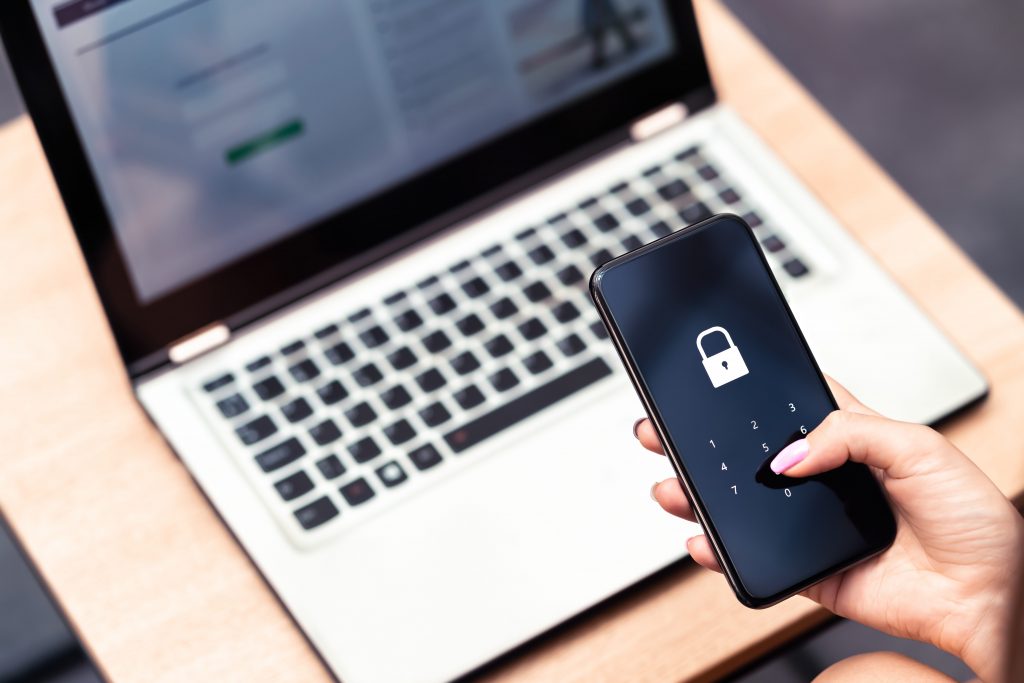
Do not share your location or travel plans on social media. It can tell potential burglars that your house is empty. Make sure your devices are password-protected. Also, keep a backup of your data in case your device gets lost or stolen.
Local Customs and Laws
Learning the local laws and customs is crucial when traveling. This shows that you value and respect the local culture.
The locals may become hostile or react negatively if you break their laws or customs. Even if you do not mean to break the law, you could be fined, put in jail, or sent home if you do.
Some Muslim-majority countries ban alcohol. Many countries have harsh penalties for drug possession, even in small amounts. In many conservative countries, public kissing and holding hands are frowned upon or illegal. In Japan, eating or drinking in public is rude and many more unwritten rules are there for foreigners to take note.

It is important to respect the local communities as well as the environment and the wildlife in it. Wherever it is possible to do so, select environmentally friendly modes of transportation and accommodations.
Be aware of any current or potential geopolitical tensions, especially in areas that have experienced conflict, such as the aftermath of the Russian invasion of Ukraine. Pay close attention to areas that have experienced conflicts in particular.
Emergency Situations: What to Do
Emergencies can happen even if you are prepared for them. Knowing how to deal with them is essential. Learn about and keep the numbers for the emergency services in your area handy, including the local embassy or consulate, local police, and medical facilities.

In the event of a medical emergency, you should get help right away. If you have misplaced your passport or are having other serious problems, you should contact your embassy. Whether you opt to buy a local SIM card or activate roaming, just make sure you can stay connected. In an emergency, you should stay calm. Panicking only makes things worse.
Post-Travel Safety Considerations
Your responsibility does not end when your trip is over. Check your credit card statements to see if there have been any unauthorized charges. If you feel sick after you get back, you should see a doctor right away.

It is important to pause and think about your trip as well. Find out which safety measures worked and which ones didn’t. It will help you plan trips in the future that will be safer.
Learning from Travel Safety Incidents
Everything that goes wrong with travel safety is a lesson in disguise. It tells us what to avoid and how to prepare better. Learn from what you do and what other people do. It is an ongoing process that makes you a smarter and safer traveler.
The term “travel safety” refers to a broad category that includes many considerations. It is about protecting your physical, monetary, and informational well-being online.
If you follow these travel safety tips, you should have a wonderful and trouble-free trip in 2023.
So, get your bags ready and go on your trip with confidence and care.
Happy traveling!
You might also like to read
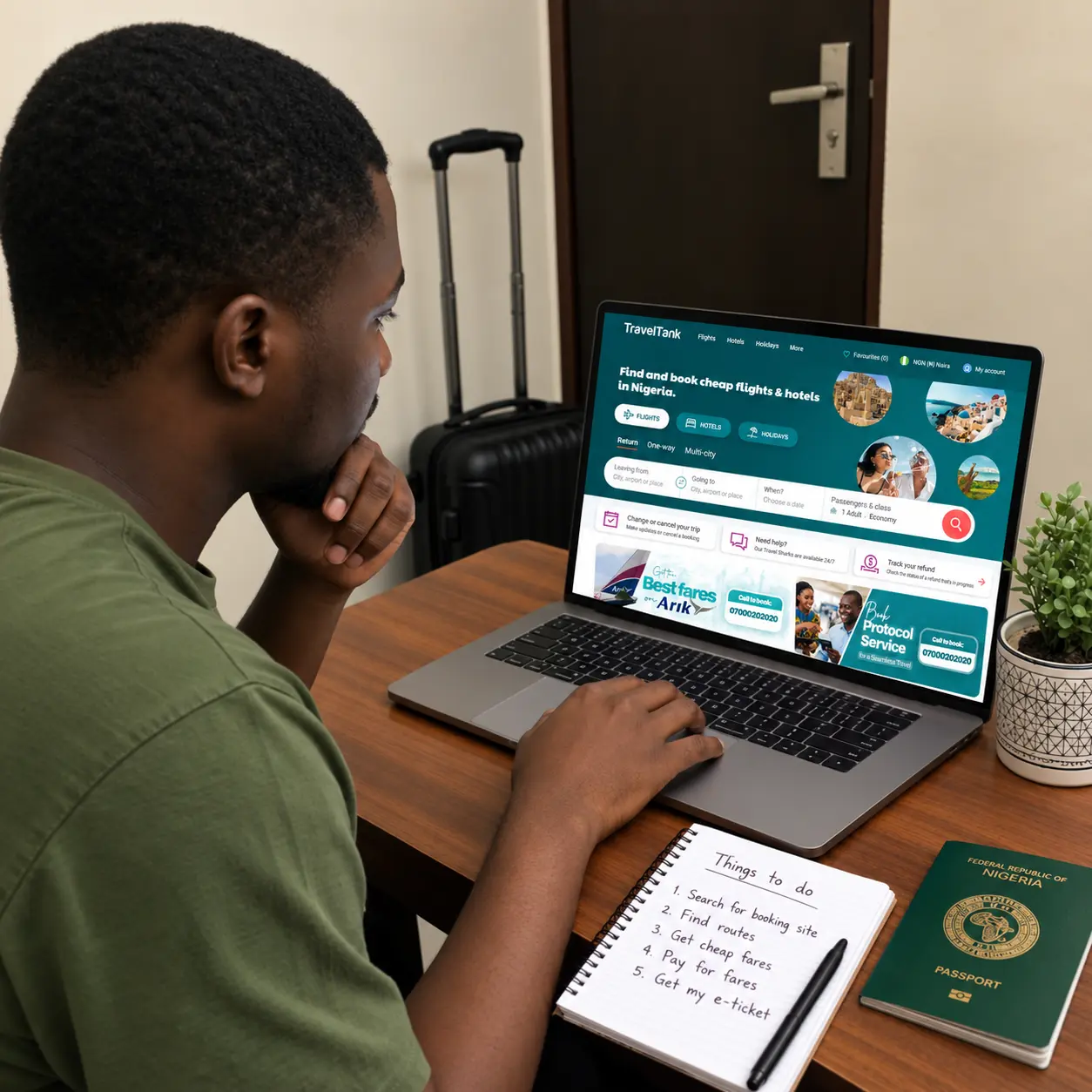
How to Book a Flight Online: A Step-by-Step Guide.
Reading Time: 19 minutesBooking a flight online is simply the process of searching for available flights to your destination, choosing the option that fits your schedule and budget, entering passenger details, paying or reserving the fare, and receiving a booking reference or e-ticket. For many people, the entire process can be quick when documents and payment are ready, […]

Markup-vs-commission-based-travel-affiliate-programs: What’s the Difference?
Reading Time: 8 minutesHave you ever wondered why some travel agents earn more than others? The secret often lies not in their follower count but in their choice of travel affiliate programs. Last year, a Lagos-based travel blogger spent six months promoting international hotel bookings through a commission-based travel affiliate program. She earned ₦180,000 total. Her friend, who […]

How to Earn ₦500,000/Month Reselling Flights and Hotels Online in Nigeria
Reading Time: 9 minutesThink about the last time someone you know booked an international flight. Did they do it alone? Or did they ask someone for help? Most travellers prefer booking tickets through a trusted person. Someone who can explain the prices, the visa requirements, and whether that stopover in Istanbul needs a transit visa. That person can […]