

You know how one minute you’re pricing flights at midnight, next thing you’re in VI by 6am, holding a brown envelope and praying they don’t ask for “one more document.” That’s why smart travellers keep a list of visa free countries for Nigerians to visit without applying for a visa in advance, either truly visa-free, visa-on-arrival, or quick online authorisations.
In this guide, we will be breaking down 20 visa free countries Nigerians can visit in 2026, what immigration officers usually ask for, the real cost buckets to plan for, and the kind of opportunities each destination opens up.
What is visa-free vs visa-on-arrival vs permits
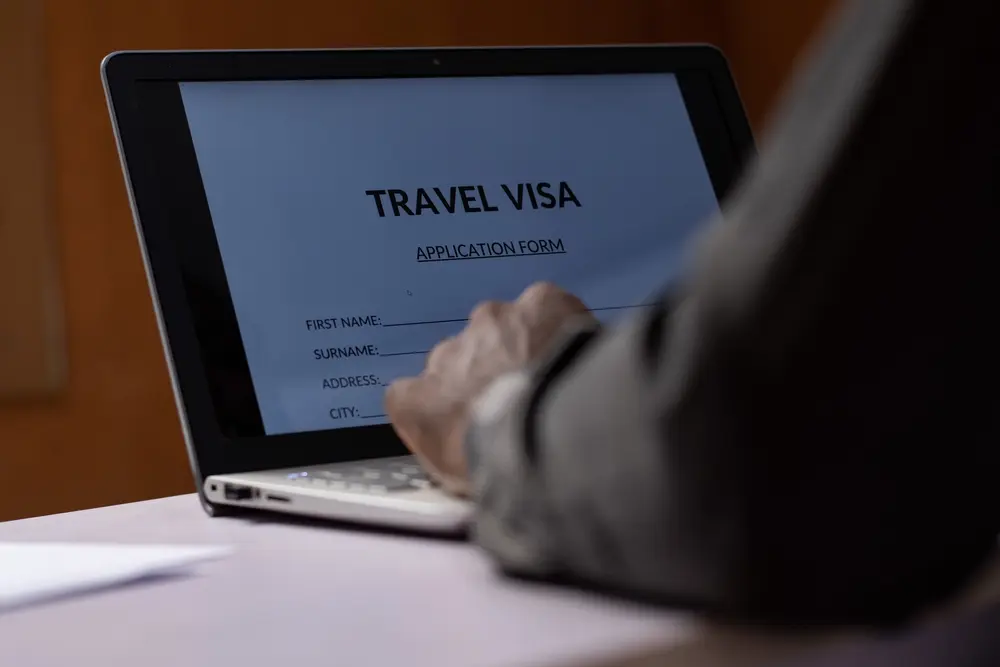
In Nigerian travel slang, we call everything “visa-free,” but immigration doesn’t. Here’s what the three common entry types mean in real life:
- Visa-free: you enter with your Nigerian passport and get stamped for a set number of days.
- Visa on arrival (VoA): you’re allowed to travel without a pre-issued visa, but you’ll pay and get a visa/entry stamp at the airport or border.
- Visitor’s permit / Travel authorisation / eTA: not a “visa” in name, but you must apply online before flying (and airlines can deny boarding if you don’t have it).
Now the Lagos reality check. These are the issues that usually spoil people’s plans:
- Check-in at MMIA/NAIA: airline staff will ask for proof of onward/return ticket, hotel booking, and sometimes minimum funds. If you can’t show it, they can stop you before you reach immigration abroad.
- Cash and card stress: some countries expect you to show funds. Your Nigerian card may fail internationally. Always plan a backup (cash + an internationally-enabled card).
- Border mood: visa-free doesn’t mean “no questions.” You still need a clear travel story: where you’re staying, how long, what you do in Nigeria, and when you’re going back.
- ECOWAS travel: for West Africa, your Nigerian passport is usually enough, but road borders can be unpredictable. Keep your documents neat, and move with patience.
- Yellow fever card: This is a major requirement for all of the destinations listed here. Read about yellow fever and how to get one.
Throughout this list, we will give you what to carry, what you’ll likely pay for, and what you can actually go there to do, not just “enjoy the beach.
9 visa free west Africa countries for Nigerians in 2026
ECOWAS remains your most reliable cheat code. For many West African countries, Nigerians don’t need a visa in advance. Still, carry proper ID and travel proof, especially if you’re flying.
1) Benin Republic (Visa-free)

Entry type: Visa-free
Max stay (approx.): Up to 90 days
What they usually ask for: valid Nigerian passport, return/onward ticket (if flying), hotel address or host contact, and sometimes proof of funds.
Cost breakdown to plan:
- Transport: Road trip from Lagos (Seme) or short flights when available. If you’re driving, budget for fuel, tolls, and “small small” border expenses you can’t always predict.
- Stay: Cotonou has everything from budget hotels to beachfront spots. Your money can stretch, but book ahead on busy weekends.
- Spending: CFA is king. Sort your FX before you leave Lagos or withdraw carefully if your card works.
Opportunities: trading and sourcing (textiles, household items), Francophone networking, weekend tourism (Ganvié stilt village), and short retreats when Lagos noise is doing too much.
2) Ghana (Visa-free)

Entry type: Visa-free
Max stay (approx.): Up to 90 days
What they usually ask for: passport validity, onward ticket, accommodation, sometimes proof of funds. If you’re travelling for an event, keep your event invite or ticket.
Cost breakdown to plan:
- Flight: Lagos (LOS) to Accra (ACC) is a busy route. Prices swing hard around December, Easter, and holiday periods.
- Stay: Accra can be pricey in prime areas. If you want value, compare neighbourhoods and book early.
- Local transport: ride-hailing is common. Budget daily movement if you’ll be hopping between Osu, East Legon, and event venues.
Opportunities: conferences, creative industry work, trade meetups, and networking with West African founders. Accra is also a soft landing for first-time international travellers leaving from MMIA.
3) Senegal (Visa-free)

Entry type: Visa-free
Max stay (approx.): Up to 90 days
What they usually ask for: return ticket, hotel booking, funds for your stay.
Cost breakdown to plan:
- Flight routing: you may connect depending on airline schedules. Always check layover time if you’re travelling with family.
- Food and daily spend: Dakar can feel like a “big city” budget. Plan for tours if you want to do Gorée Island properly.
Opportunities: Francophone business links, fashion and arts, and regional summits. Dakar is also great if you want something different from the usual West African circuit.
4) The Gambia (Visa-free)

Entry type: Visa-free
Max stay (approx.): Up to 90 days
What they usually ask for: accommodation details, return ticket, travel purpose.
Cost breakdown to plan:
- Flights: often via connections. Compare routes because the “cheapest” ticket can come with stressful layovers. You can find cheap flight tickets on Traveltank
- Resort spend: if you’re doing a beach holiday, your main cost is usually accommodation + activities.
Opportunities: simple leisure trips, couples’ getaways, and work-from-anywhere breaks if you just need peace and a stable routine.
5) Côte d’Ivoire (Visa-free)
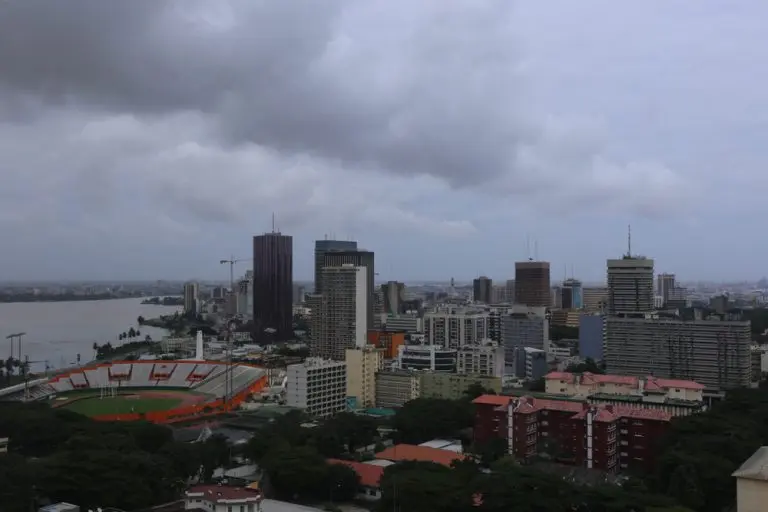
Entry type: Visa-free
Max stay (approx.): Up to 90 days
What they usually ask for: onward ticket, where you’re staying, and a clear reason for visit.
Cost breakdown to plan:
- Language: French helps. If you don’t speak it, move with a translated hotel booking and clear written details.
- Daily spend: Abidjan can be premium depending on your lifestyle. Budget for secure transport at night.
Opportunities: corporate travel, trade fairs, sourcing, and Francophone market expansion. Abidjan is for Nigerians who mean business.
6) Sierra Leone (Visa-free)

Entry type: Visa-free
Max stay (approx.): Up to 90 days
What they usually ask for: accommodation, return ticket, travel purpose.
Cost breakdown to plan:
- Flights: may require connections. Prioritise reasonable layovers.
- On-ground: plan logistics in advance, airport transfer, where you’ll stay, and how you’ll move.
Opportunities: exploration travel, NGO/community work, and calm beach time without “everybody is there” pressure.
7) Togo (Visa -free)

Entry type: Visa-free
Max stay (approx.): Up to 90 days
What they usually ask for: passport, reason for travel, sometimes address of stay.
Cost breakdown to plan:
- Road travel: common from Lagos. Start early to beat traffic, and keep multiple photocopies of your passport bio-data page.
- Money: CFA again. Decide if you’re changing in Lagos or on arrival.
Opportunities: sourcing trips, regional logistics, and small getaways that don’t require intense planning.
8) Cape Verde (Visa-free)

Entry type: Visa-free (but always confirm any registration requirements airlines may enforce)
Max stay (approx.): Up to 90 days
What they usually ask for: return ticket, accommodation, funds.
Cost breakdown to plan:
- Flight routing: typically via connections. Budget for at least one overnight contingency if your connection is tight.
- Accommodation: island destinations can be pricey in peak season.
Opportunities: honeymoon-style travel, content creation, and slow holidays. If you’re burnt out from Lagos pace, this is therapy.
9) Rwanda (Visa-free)

Entry type: Visa-free
Max stay (approx.): Around 30 days
What they usually ask for: return ticket, hotel booking, travel plan. Keep your itinerary simple and consistent.
Cost breakdown to plan:
- Flight: often one-stop depending on schedules. Compare airlines carefully.
- Daily spend: Kigali is organised and can feel “premium.” Budget for safe transport and tours.
Opportunities: conferences, business meetups, and structured tourism (nature parks, cultural sites). Great for Nigerians who like order.
Indian Ocean Visa free countries option for Nigerians
If you want that “soft life” trip that still feels straightforward at im .migration, these are the heavy hitters Nigerians book for anniversaries, honeymoons, and proper rest.
10) Mauritius (Visa on Arrival)

Entry type: Visa on Arrival
Max stay (approx.): Varies (often granted between 14–90 days depending on circumstances)
What they usually ask for: confirmed hotel booking, return ticket, and proof you can fund your trip. They’re big on clear accommodation details.
Cost breakdown to plan:
- Flights: usually one-stop from Lagos. Your costs depend on season.
- Accommodation: resorts are the main spend. If you’re on a budget, look for guesthouses but don’t compromise safety.
- Local transport: tours and transfers add up quickly. Price them before you land.
Opportunities: leisure, couples travel, destination weddings, and premium content creation (beaches, lagoons, hikes).
11) Seychelles (Visitor’s Permit)

Entry type: Visitor’s Permit on arrival (with pre-travel authorisation requirements)
Max stay (approx.): Up to 90 days
What they usually ask for: proof of accommodation, return/onward ticket, and enough funds for your stay. Seychelles also uses an online travel authorisation process for screening, so handle that before your flight.
Cost breakdown to plan:
- Authorisation fees: there’s usually a charge for the online process. It changes, so confirm before paying.
- Accommodation + movement: island transfers can be expensive. Plan your islands early so you don’t overspend on last-minute boats/flights.
Opportunities: luxury travel, honeymoons, photography, and high-end relaxation without visa drama.</p></p>
Caribbean Visa free countries for Nigerians to visit
Caribbean countries on this list are genuinely friendly to Nigerian passport holders, but your biggest hurdle is usually routing. You’ll often connect through Europe, North America, or other hubs depending on airline options and transit rules. Always check transit visa requirements for your connection country before you pay.
12) Barbados (Visa-free)
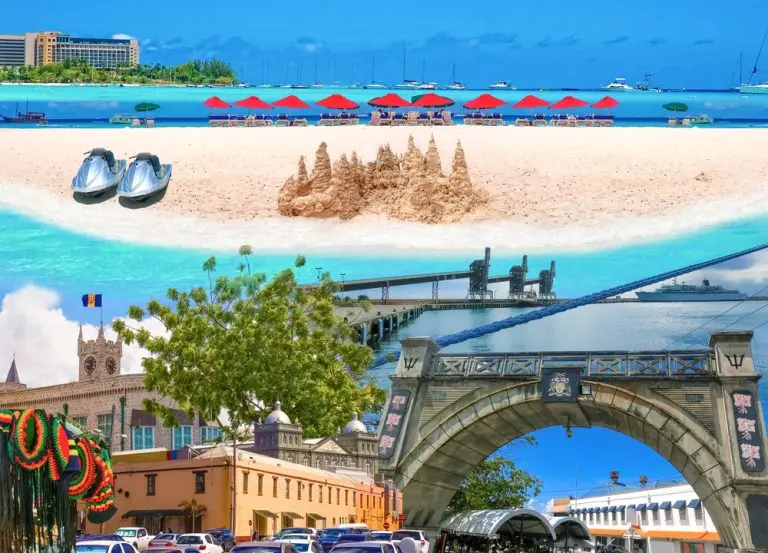
A vibrant Caribbean island known for its beautiful beaches, British colonial history, and warm hospitality.
Entry type: Visa-free
Max stay (approx.): Up to 180 days
What they usually ask for: return ticket, where you’re staying, and proof of funds. Be ready to explain what you do in Nigeria and why you’re visiting.
Cost breakdown to plan:
- Flights: usually expensive and connection-heavy. Don’t buy the first ticket you see, compare properly. Always use TravelTank to find affordable flights
- Stay: beach destinations can be costly. If you’re staying long, look for discounts on longer bookings.
Opportunities: remote work lifestyle, creative retreats, and extended holidays if you can plan your budget well.
13) Dominica (Visa-free)

Dominica, known as the “Nature Island of the Caribbean,” is famous for its lush rainforests, waterfalls, and volcanic landscapes.
Entry type: Visa-free
Max stay (approx.): Up to 180 days
What they usually ask for: hotel booking, onward ticket, funds.
Cost breakdown to plan:
- Logistics: getting in can involve multiple connections. Build buffer time into your itinerary.
- Activities: nature tours, guides, and park fees—budget for them instead of winging it.
Opportunities: eco-tourism, hiking-focused travel content, and proper digital detox away from Lagos noise.
14) Haiti (Visa-free)

Haiti shares the island of Hispaniola with the Dominican Republic and has a rich blend of French, African, and Caribbean influences.
Entry type: Visa-free
Max stay (approx.): Up to 90 days
What they usually ask for: return ticket, accommodation, and clear travel intent.
Cost breakdown to plan:
- Routing: connections can be complicated. Confirm your transit points carefully.
- Safety planning: budget for secure airport transfers and verified accommodation. Don’t try to “manage” at the last minute.
Opportunities: cultural travel, history, and community-focused visits—best for travellers who plan properly and move smart.
15) Saint Kitts & Nevis (Visa-free)
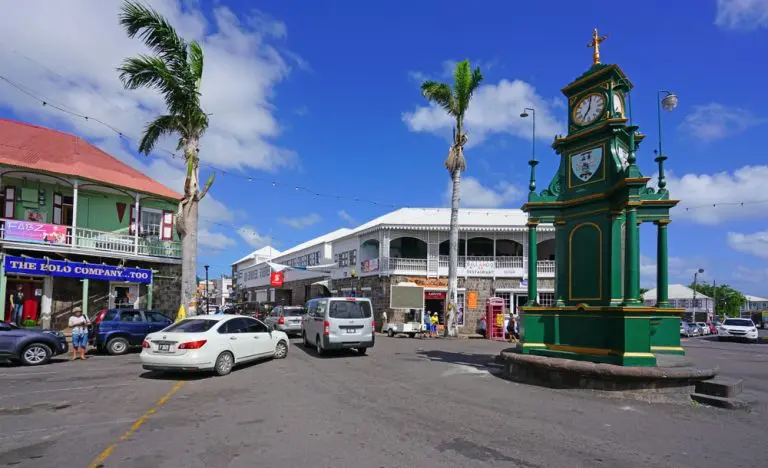
A twin-island nation that offers scenic beaches, luxury resorts, and a quiet atmosphere. known for its citizenship-by-investment program.
Entry type: Visa-free
Max stay (approx.): Up to 90 days
What they usually ask for: accommodation, return ticket, funds.
Cost breakdown to plan:
- Flights: usually not cheap. You’re paying for exclusivity and small-island access.
- Stay: boutique hotels and resorts dominate. Plan your budget around that reality.
Opportunities: premium leisure trips, intimate celebrations, and high-end content shoots without crowded tourist scenes.
Asia & Middle East Visa free countries for Nigerians to visit
These are popular because they feel accessible. But they’re also where Nigerians get turned back most usually due to weak documentation or unclear proof of funds. If you’re travelling here, be extra organised.
16) Maldives (Visa on Arrival)
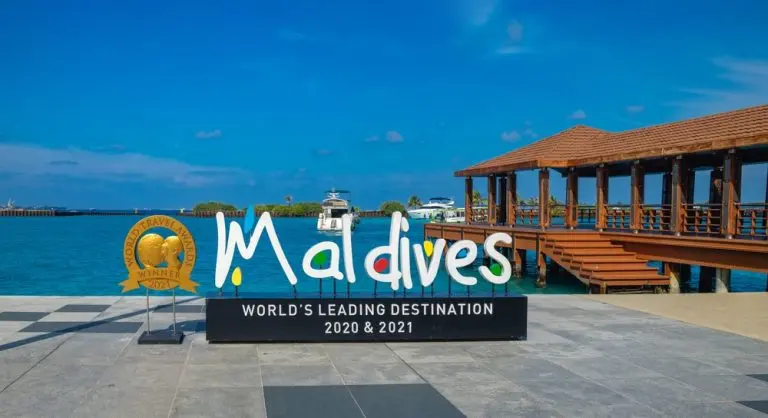
Entry type: Visa on Arrival
Max stay (approx.): Up to 30 days
What they usually ask for: confirmed accommodation (they don’t like “I’ll find a hotel when I land”), return ticket, and funds.
Cost breakdown to plan:
- Resort vs local island: resorts are pricey; local islands can be more affordable but still require planning.
- Transfers: speedboats and seaplanes can become your biggest cost. Pick your island with transport costs in mind.
Opportunities: honeymoons, luxury travel content, and full reset holidays when you want to spoil yourself.
17) Bangladesh (Visa on Arrival)

Entry type: Visa on Arrival
Max stay (approx.): Up to 30 days
What they usually ask for: strong proof of purpose. If it’s business, carry an invitation letter, company details, and your hotel booking.
Cost breakdown to plan:
- VoA fees: payable at entry; confirm current charges before you travel because it can change.
- On-ground movement: budget for reliable transport. If you’re going for sourcing, plan your visits with local contacts.
Opportunities: textiles and manufacturing links, trade sourcing, and business expansion for Nigerian entrepreneurs.
18) Lebanon (Visa on Arrival, strict conditions)
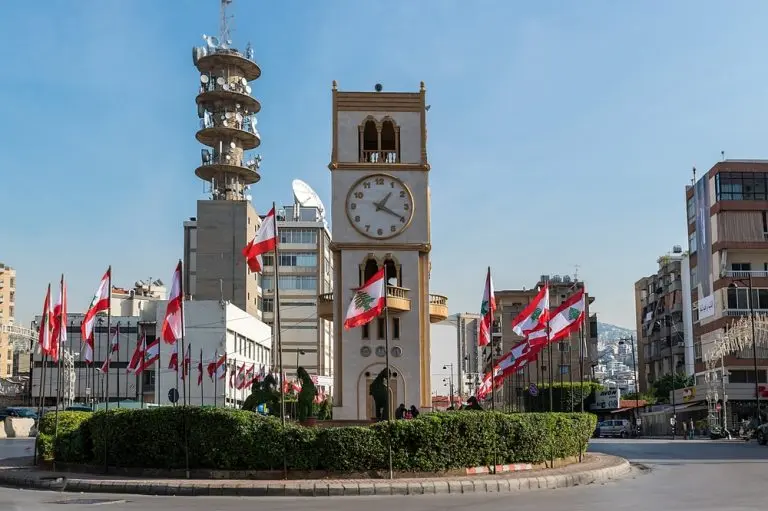
Entry type: Visa on Arrival (conditional)
Max stay (approx.): Up to 30 days
Lebanon is accessible, but it’s not the place to “test luck.” Nigerians are typically expected to meet strict entry conditions. The common requirements include:
- About $2,000 cash to show you can fund your stay (they can insist on cash, not just bank alerts).
- Confirmed 3–5 star hotel reservation (they may verify it).
- Non-refundable return ticket.
Cost breakdown to plan:
- Cash requirement: the big one. Plan how you’ll legitimately carry and declare funds if needed.
- Hotel: don’t book “maybe” accommodation. Book what meets the requirement.
Opportunities: diaspora visits, business meetings, and cultural travel—but only for travellers who can tick every box cleanly.
Oceania Visa free countries for Nigerians to visit
Oceania is not your “sharp sharp weekend” zone from Lagos. It’s a long-haul, and your routing matters. But if you want something different, these two are solid.
19) Fiji (Visa-free)
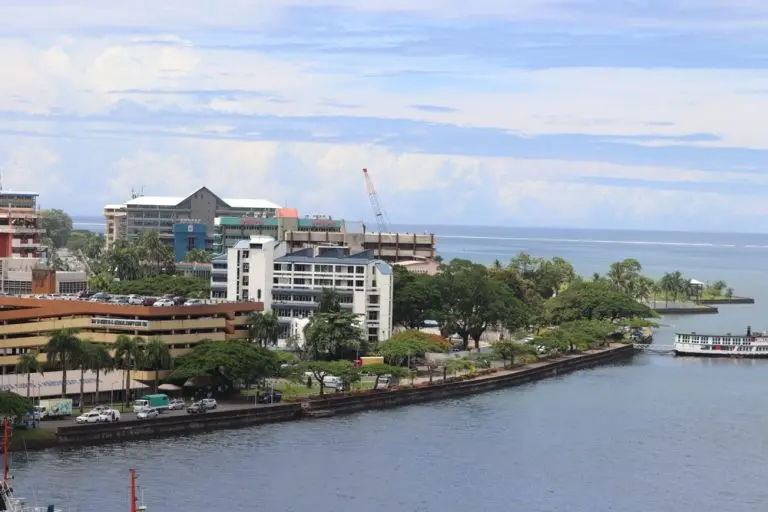
Entry type: Visa-free
Max stay (approx.): Up to 120 days
What they usually ask for: return ticket, accommodation, funds. If you’re staying long, be ready to explain your plan clearly.
Cost breakdown to plan:
- Flights: long and connection-heavy. Don’t gamble with ultra-short layovers.
- Stay + activities: island tours, boat rides, cultural experiences—budget for them as a package.
Opportunities: extended holiday, remote work breaks (if your work allows), and once-in-a-lifetime travel content.
20) Vanuatu (Visa-free)
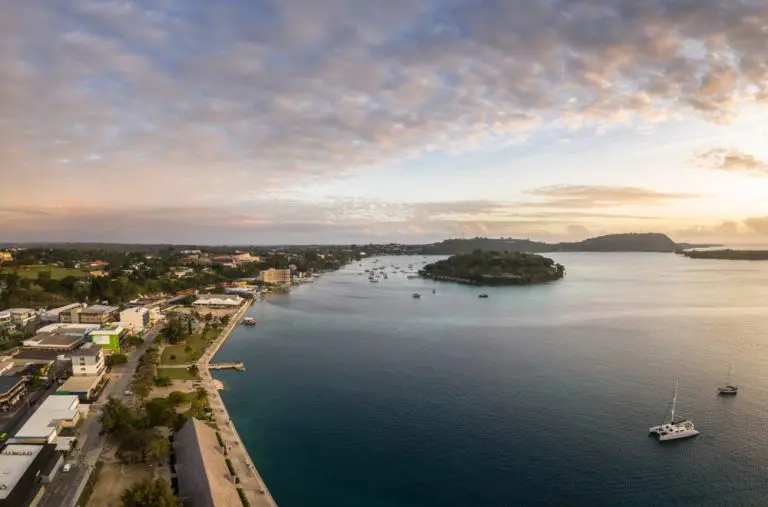
Entry type: Visa-free
Max stay (approx.): Up to 30 days
What they usually ask for: onward ticket, accommodation, proof of funds.
Cost breakdown to plan:
- Routing: not many direct options. Plan your connections and overnight stays like a pro.
- On-ground: tours and guides are worth it. Don’t arrive without a plan.
Opportunities: adventure tourism, volcano/nature experiences, and proper off-the-grid relaxation.
Visa on Arrival Countries for Nigerian Passport Holders in 2026
-
Lebanon –up to 30 days
-
Bangladesh – up to 30 days
-
Maldives – up to 30 days
-
Burundi – up to 30 days
-
Cambodia – up to 30 days
-
Comoros – up to 45 days
-
Djibouti – up to 90 days
-
Madagascar – up to 90 days
-
Mauritius – up to 14 days
-
Mozambique – up to 30 days
-
Palau – up to 30 days
-
Samoa – up to 90 days
-
Timor-Leste – up to 30 days
-
Tuvalu – up to 30 days
2026 travel updates Nigerians shouldn’t ignore
A few updates and reminders that might save you some stress:
- Kenya: many people still call it “visa-free,” but Kenya now uses an Electronic Travel Authorization (eTA) that you apply for online before departure. If Kenya is on your mind for 2026, treat it like a must-do pre-check, not something you handle at the airport.
- Transit visas: Barbados, Dominica, Saint Kitts & Nevis, Fiji, and Vanuatu can require transit through countries with strict rules. Your destination may be visa-free, but your connection might not be. Confirm before you pay.
- MMIA/NAIA document checks: airlines can deny boarding if your documents look weak. Keep printed copies of hotel bookings, return tickets, and a simple itinerary.
- Money proof: if you’re relying on bank apps, remember roaming and network issues. Screenshot key pages and carry a card that works internationally.
If you want more ideas for quick trips that don’t require months of planning, read Best Destinations for a Last-Minute Trip. And if you’re planning far ahead for the year, Top Destinations to Explore in 2026 pairs well with this list.
How to budget for these trips from Nigeria

Let’s make it practical. For most Nigerians, the cost of a “visa-free” trip breaks into five buckets:
- Flights: usually the biggest cost once you leave West Africa. Always compare dates and airlines. Use Traveltank to find the cheapest flight deals
- Accommodation: don’t under-budget here. Immigration likes confirmed bookings, and you need safety.
- Proof of funds: not always a fee, but it’s a requirement you must plan for (especially for places like Lebanon).
- Transfers and transport: island destinations can shock you with transfer costs. Price them before you land.
- Travel insurance: not always enforced at the border, but it’s smart especially for long-haul trips.
Our own rule: if you can’t confidently show where you’ll sleep and how you’ll return, don’t leave Lagos yet. That’s how people get stuck at check-in at MMIA. But we have dedicated travel experts that can help make your trips less stressful. Contact our travel experts today.
Let’s help plan /book your flights to see these destinations

These destinations are exciting, but routing is everything. A “cheap” ticket that gives you a 45-minute connection in a strict transit airport can ruin your whole plan.
Before you book, search cheap flights on TravelTank, compare flight times, layovers, and baggage rules, then lock in what actually works for your schedule and documents. That’s the real travel hack Nigerians don’t talk about enough.
FAQs About Visa Free Countries for Nigerians
1. What is the difference between “Visa-Free,” “Visa on Arrival,” and “eTA”?
Visa-free means you simply show your passport at the border. Visa on Arrival (VoA) requires you to pay a fee and get a sticker or stamp once you land. An Electronic Travel Authorization (eTA) or Travel Authorization (TA) must be applied for online before you board your flight, even if the destination is technically “visa-free” (e.g., Kenya or Seychelles).
2. Is Kenya still visa-free for Nigerian citizens in 2026?
Technically, Kenya is “visa-free,” but it is not application-free. All Nigerians must apply for an Electronic Travel Authorisation (eTA) online at least 3 days before travel. You will be denied boarding at the airport in Lagos or Abuja if you do not have your approved eTA printout.
Is Cape Verde visa-free for Nigerians?
Yes. Nigerian passport holders can visit Cape Verde visa-free for up to 90 days. You may be asked to show a return ticket, proof of accommodation, and sufficient funds. Always check the latest entry requirements before you travel.
3. Do I need a return ticket and hotel booking for visa-free countries?
Yes. Visa-free entry does not grant an automatic right of stay. Immigration officers almost always demand proof of a confirmed return ticket and verifiable hotel accommodation. Without these, you risk being “repatriated” (sent back on the next flight) at your own expense.
4. How much “Proof of Funds” is required for Visa-on-Arrival?
While it varies, a general rule of thumb for 2026 is to have at least $50 to $100 per day of your stay. Some countries, like Lebanon, have strict specific requirements (e.g., $2,000 cash on hand), while others may just ask to see a valid credit/debit card or a recent bank statement on your phone.
Is Barbados visa-free for Nigerians?
Yes. Nigerian passport holders can visit Barbados visa-free for up to six months. Travellers should have a valid passport, a return or onward ticket, proof of accommodation, and sufficient funds for their stay. Always confirm the latest entry requirements before departure.
5. Can I travel to ECOWAS countries with just a National ID card?
While the ECOWAS protocol allows for free movement, you still need a valid Standard Nigerian Passport or an ECOWAS Travel Certificate. While some land borders might accept the National ID (NIN) slip in informal settings, airlines will not allow you to board an international flight without a passport.
6. Does a “Visa-on-Arrival” guarantee entry?
No. A VoA is a “permission to apply” at the port of entry. The immigration officer still has the final say. Entry can be denied if you cannot explain your purpose of visit, lack sufficient funds, or do not have a valid Yellow Fever Vaccination card (Yellow Card).
Which Caribbean countries are currently visa-free for Nigerians?
As of 2026, Barbados, Dominica, Haiti, and Saint Kitts & Nevis remain top choices. These are popular for honeymoons and short vacations because they offer long stays (up to 90–180 days) without the stress of a prior visa application.
8. Is the “Yellow Card” still mandatory for African travel?
Yes. For almost all African and South American destinations, a valid e-Yellow Card (Yellow Fever Vaccination) is a mandatory health requirement. Ensure your card is updated digitally on the official Port Health website to avoid issues at the airport.
9. Can I work in a country if I entered visa-free?
No. Visa-free and VoA entries are strictly for tourism or business transit. Attempting to seek employment or engage in paid work on a tourist stamp is illegal and can lead to immediate deportation and a permanent ban from that country.
10. Do children need a separate eTA or Travel Authorization?
Yes. Every traveler, including infants and minors, must have their own individual passport and their own approved eTA or Travel Authorization. Parents cannot simply “add” a child to their own application; each family member needs a unique reference number.
Final note: rules can shift. Always reconfirm entry requirements close to your travel date using official sources.
You now have a clear, Nigeria-friendly shortlist of destinations you can enter without a prior visa appointment, and, more importantly, what immigration will likely ask you for, what your real cost buckets look like, and the kind of opportunities each country offers.
Next step is simple: pick one destination, choose your dates, then search cheap flights on TravelTank and compare the safest routes before you pay. If you’re planning your year, this will help too: Travel Outlook: Popular Travel Trends to Expect in 2026.
Before you book anything, always confirm current entry rules using an authoritative source like the IATA Travel Centre (airlines also rely on it at check-in)
You might also like to read

How to Earn ₦500,000/Month Reselling Flights and Hotels Online in Nigeria
Reading Time: 9 minutesThink about the last time someone you know booked an international flight. Did they do it alone? Or did they ask someone for help? Most travellers prefer booking tickets through a trusted person. Someone who can explain the prices, the visa requirements, and whether that stopover in Istanbul needs a transit visa. That person can […]


Best Lucrative Business in Nigeria: Start a Travel Reselling Business From Home
Reading Time: 8 minutesNigeria’s official unemployment rate is around 4.3% to 4.9%, but the National Bureau of Statistics also reports that informal employment makes up over 92% of jobs, meaning most working Nigerians are hustling outside formal payroll, not sitting idle. So if you’re looking for a lucrative business in Nigeria that fits into that hustle without needing […]

How to Become a Travel Agent in Nigeria With No Money (TravelTank Affiliate Guide)
Reading Time: 8 minutesThe Nigerian Civil Aviation Authority (NCAA) projects air passenger traffic to rise from 15.9 million in 2023 to 25.7 million by 2029, backed by airport upgrades and expanding airline routes. (NCAA Industry Overview) That is millions of Nigerians who need someone they can trust to book their flights, sort their visas, and make travel less […]