

By popular demand, here are tips on how to observe dining etiquette in 6 more cities around the world.

1. Dining Etiquette in Shanghai
Travel east and those partial to a hearty burp will be welcomed in Shanghai. To Chinese people, a good belch is accepted as a sign the diner has thoroughly enjoyed their meal.
Leaving a little food on the plate in China shows the host has been generous enough to provide you with more than plenty, though it’s not usually considered polite to leave any rice in the bowl. It is a staple food and a precious commodity.
2. Table Manners in Tokyo
Making a noise when you eat is considered rude in most Western cultures. Such is our intolerance to the otherwise natural sounds of chomping, crunching and slurping, the noisy nibbler is subject to a sideways look of disgust.
But those of us who savour silent swallowing may be repulsed if we sat down in a ramen restaurant in Tokyo. Slurping your food in Japan shows the chef you’re enjoying what they’ve served up, so sucking on noodles with saliva-saturated sounds is a huge compliment.
But remember, leaving anything of your meal in Tokyo goes against the fundamental principle of mottainai – a feeling of regret at having wasted something.
3. Culinary Customs in Cairo
Dining rules are elaborate in Cairo. Known as the uzooma, there is a certain back-and-forth dance that Egyptians like to entertain with.
A guest will always be offered more food, but at first, be expected to refuse. The host will insist for a while but be politely declined once more. Eventually, the extra helping will be accepted with gratitude. And asking for extra salt or spice is also considered a sin.
4. When in Rome
Asking for extra cheese on your pizza in Rome is a no-no. Italians consider themselves food purists, so your waiter will offer you a spoonful of grated parmesan and that’s your lot.
Meals in Italy can be long, drawn-out affairs. The antipasti starter is followed by the primipasta or soup dish before the secondo meat course finally follows. When in Rome, vegetables to accompany the main are usually only acceptable with a separate order of contorno.

5. Party Politeness in Paris
Set eating hours are the norm in Paris. Dinner is usually not served until 8 pm, so you may need to pop into a patisserie for a treat after your lunch.
The customer is usually wrong when it comes to food in Paris. The French consider themselves food artists, but commenting on the delicious smell of the dish would delight your Parisian host who will conclude you were right about that.
6. Lunching in Lisbon
If you were to ask for extra salt and pepper in Lisbon you would have broken restaurante etiqueta. If they are already on your table, a pinch is acceptable but directly asking your Portuguese server for some additional seasoning risks upsetting the chef. Even worse would be to snap your fingers at the waiter to ask for it. You’ll be ignored for being an extremely rude diner.
You might also like to read

20 best hotels in Ikeja near the airport (MM1 & MM2)
Reading Time: 12 minutesIf you’re looking for hotels in Ikeja near airport, it’s usually because you have a flight to catch or arriving late at MM1 (international), MM2 (domestic), and you don’t want Lagos to humble you with traffic on Airport Road. This article rounds up the 20 best hotels around the Murtala Muhammed Airport axis and breaks […]


10 Global Family-Friendly Vacation Destinations in 2026
Reading Time: 12 minutesLet’s be honest: planning a family holiday from Lagos can feel like a second job. Between school calendar, visa issues, and making sure your toddler won’t lose it on a 10-hour flight out of MMIA, you need Family-Friendly Vacation Destinations that are worth the stress. This guide breaks down the best family-friendly vacation Destinations in […]
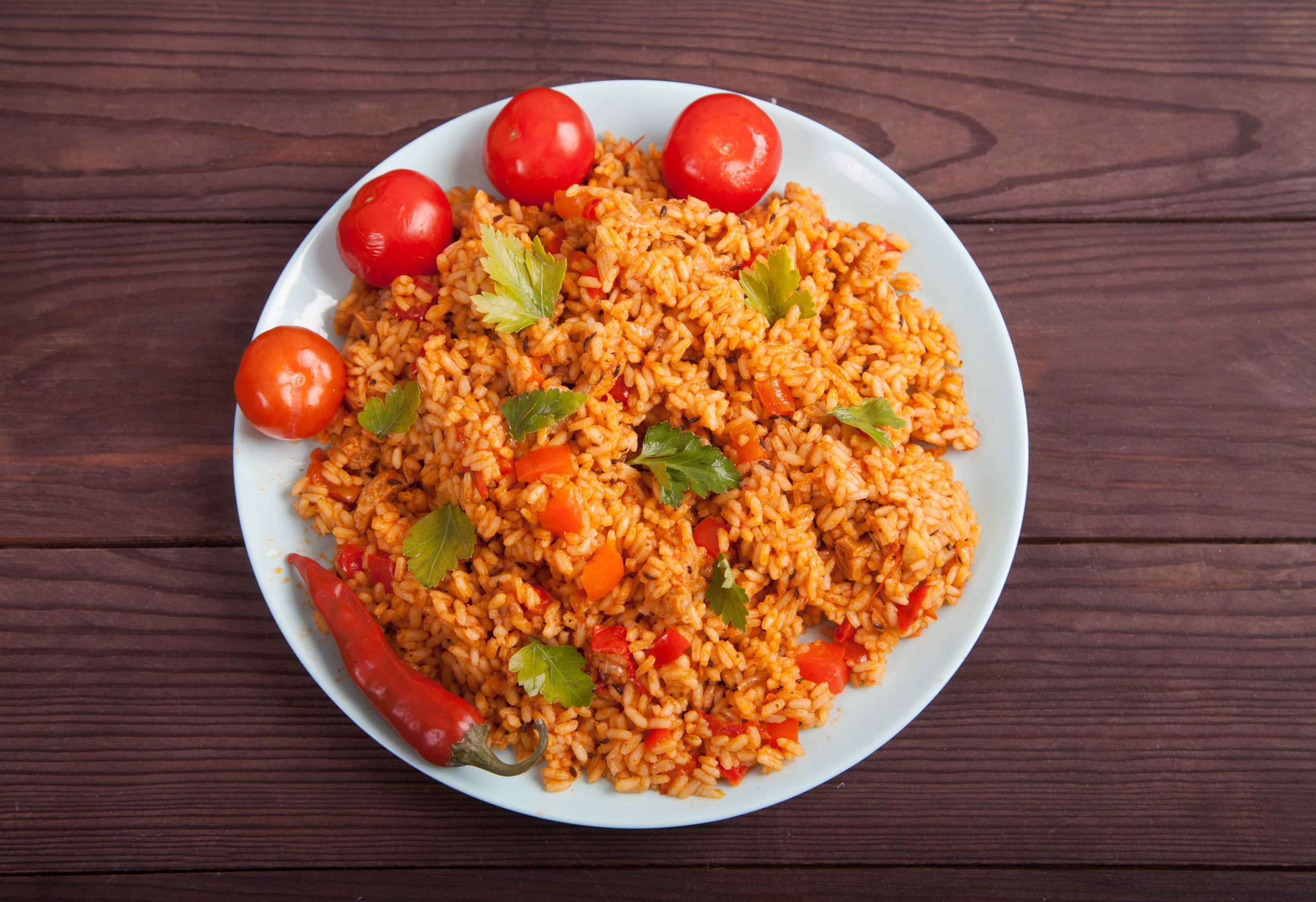
African Countries with the Best Jollof
Reading Time: 5 minutesMost likely, if you’re Nigerian, you already have an opinion on the great Jollof Rice debate, and you’re sure that your country cooks the best. But travel has a way of softening our culinary pride. Stepping beyond borders, tasting Jollof in different African kitchens, you begin to see that this dish is more than just rice […]