

Learning a new language opens doors to a whole new world of adventures. In fact, travel and language go perfectly hand in hand!
Travelling is about experiencing a new culture, trying new foods, and making friends with the locals. Learning the local language makes it even more magical.
If you want to find out more about a new culture, you need to learn its language. It brings tourists and locals together, starting real conversations and making connections that last. You can completely change the way you travel by learning just a few simple phrases.
If you can speak their language, you could have a funny conversation with the cab driver, engage a local waiter in a restaurant, or even chat with a neighbour. When you learn a new language, you discover new things about yourself and get a better sense of other cultures. It is like getting to know new parts of yourself every time you learn a new word.
So, here are some tips on how you can learn a new language as a tourist when you visit a new destination.
Tips for Language Learning on the Go
Start with the essentials
It is very important to start with the basics. It is important to learn how to say hello, be polite, and use simple words when you travel and talk to people every day.

These easy words help you talk better and understand more. They’re like the first bricks you use to build a house. Once you get them right, you can add more and make your language skills stronger.
Use language learning apps
In today’s digital age, language learning has never been more accessible. Apps like Duolingo, Babbel, and Rosetta Stone offer interactive lessons tailored to various proficiency levels, allowing travellers to learn anytime, anywhere.

Make friends with locals
It is helpful to make friends with people who speak the language you are learning. You can improve your speaking skills in real life by talking to locals, which may be more helpful than just studying from books or apps.

They can teach you important things about the language, like slang and everyday phrases, that you might not learn in a classroom. When you have friends who speak the language, being around them and getting help will amaze you at how fast you can learn it.
Immerse yourself in the local culture
Take every opportunity to practice speaking with locals, whether it’s ordering food at a restaurant, asking for directions, or striking up conversations with shopkeepers.

Take on the challenge of talking to people in a different language, knowing that every conversation is a chance to learn and improve.
Seek out language exchange partners
There are a lot of places where travelers can meet up with native speakers to practice speaking with them in exchange for helping them learn their language.

These casual sessions are great for getting real-life experience and learning about other cultures.
Stay consistent and patient
Learning a new language takes time and dedication. Set realistic goals for yourself and commit to regular practice, even if it’s just a few minutes each day. Remember to enjoy your progress and not be afraid to make mistakes; they are an important part of learning.

Don’t ever doubt your abilities. You are never too old, too shy, too lazy, or not smart or talented enough to learn a new language. It is possible to do anything if you stay motivated and enjoy what you are doing. Do not try to be perfect; instead, try to get better.
Spend a lot of time with media
Watching local TV shows, listening to the radio, or reading newspapers in the target language are all examples of authentic media content that can help you learn new words and understand what you are reading better.
Use flashcards and mnemonics
You can better remember words if you make flashcards or use mnemonics. Putting new words together with pictures or phrases that you can remember can help you remember them and make learning more fun.

Focus on communication
While learning a new language while traveling is primarily for communication, the benefits go beyond that.
Speaking the local language helps you understand local customs, traditions, and social norms. You can confidently take the bus or shop at a market after learning the language. You will feel more comfortable visiting off-the-beaten-path places and interacting with locals, enriching your trip.
Language learning challenges the brain and boosts cognitive abilities, boosting self-confidence. It is a rewarding trip that improves your life outlook and travel experience.
Benefits of Learning a New Language as a Tourist
If you want to fully experience a country, learning its language is essential. For starters, it frees you from the limits of language barriers, so you can have a more authentic and fulfilling trip.
You can see places that are not as popular with tourists, get to know the people who live there better, and learn about traditions that most tourists miss.

For tourists, learning a new language can also make them much safer. You can avoid confusion and stay safe if you can read signs, ask for help, and understand warnings in the local language. It also gives you the power to negotiate better in stores, ask for directions with confidence, and use services that you might not be able to get to otherwise because of language barriers.
You also can not say enough good things about the social benefits. When you learn a language, you can make friends with both locals and other language learners who are traveling the same path. These connections can lead to lifelong friendships, professional networks, and even opportunities to return to the country with a more profound connection.
When we travel to new destinations, learning languages can help us connect with the locals, learn about their cultures, and think about our own. So, what is stopping you from learning another language?
You might also like to read
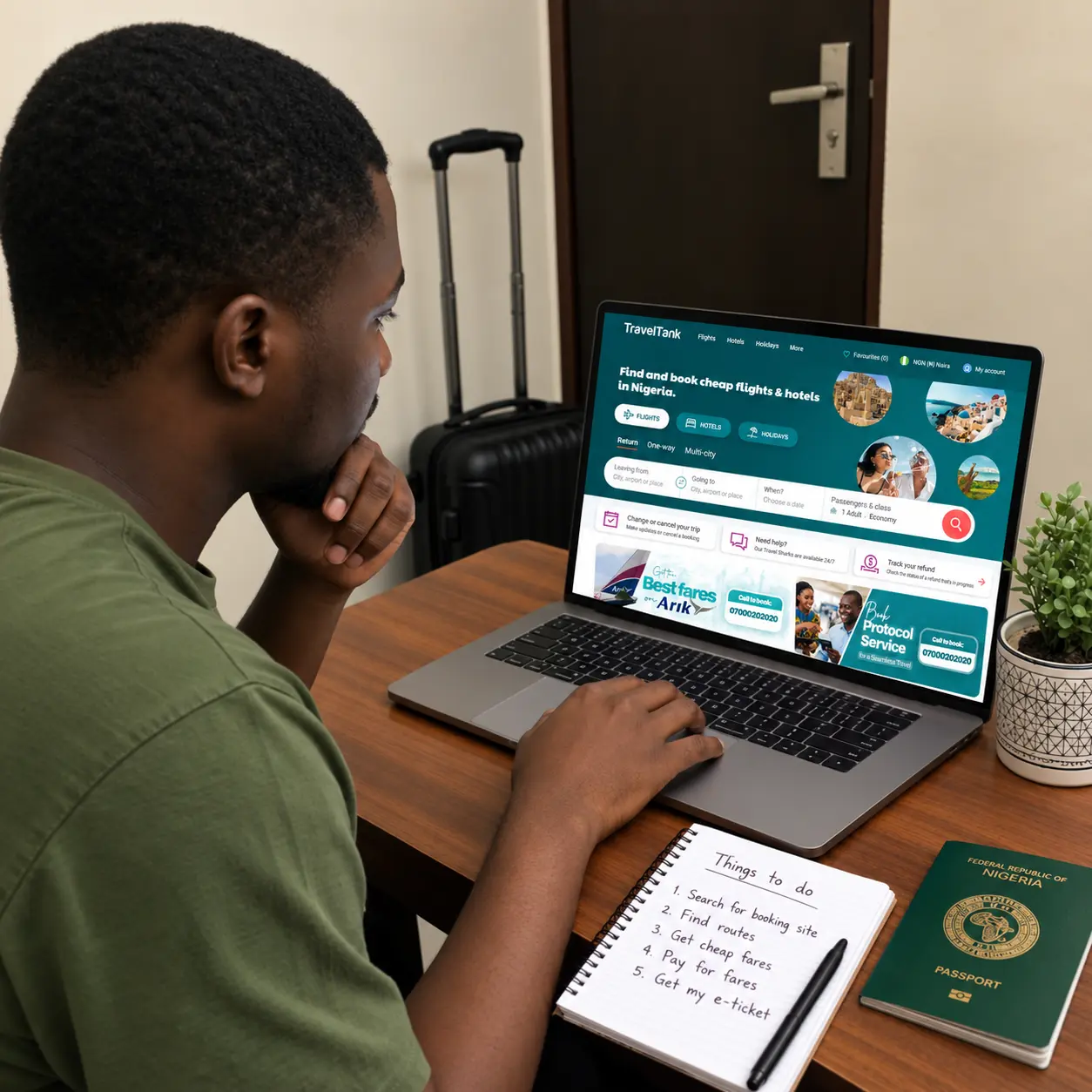
How to Book a Flight Online: A Step-by-Step Guide.
Reading Time: 19 minutesBooking a flight online is simply the process of searching for available flights to your destination, choosing the option that fits your schedule and budget, entering passenger details, paying or reserving the fare, and receiving a booking reference or e-ticket. For many people, the entire process can be quick when documents and payment are ready, […]

Markup-vs-commission-based-travel-affiliate-programs: What’s the Difference?
Reading Time: 8 minutesHave you ever wondered why some travel agents earn more than others? The secret often lies not in their follower count but in their choice of travel affiliate programs. Last year, a Lagos-based travel blogger spent six months promoting international hotel bookings through a commission-based travel affiliate program. She earned ₦180,000 total. Her friend, who […]

How to Earn ₦500,000/Month Reselling Flights and Hotels Online in Nigeria
Reading Time: 9 minutesThink about the last time someone you know booked an international flight. Did they do it alone? Or did they ask someone for help? Most travellers prefer booking tickets through a trusted person. Someone who can explain the prices, the visa requirements, and whether that stopover in Istanbul needs a transit visa. That person can […]