
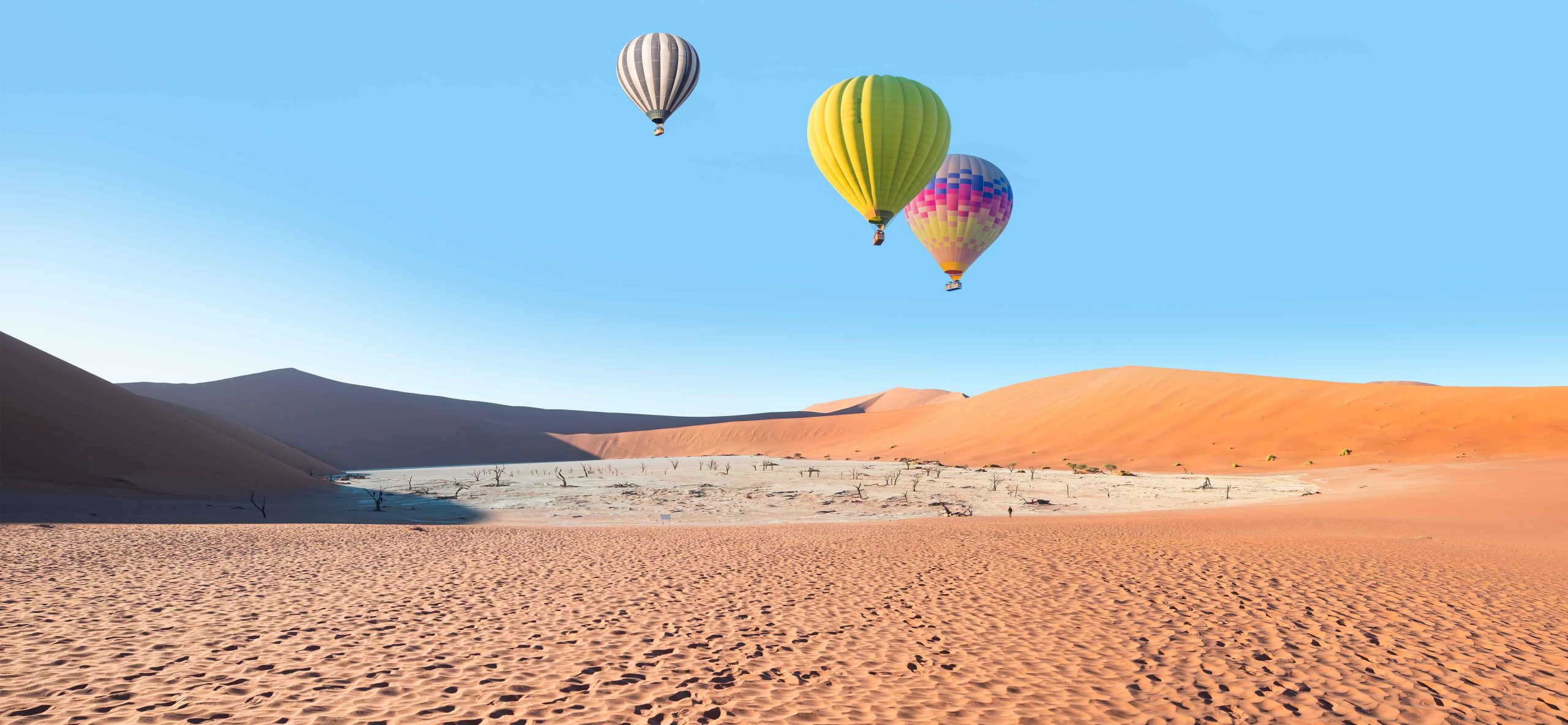
Namibia is a country of stark contrasts and breathtaking landscapes that captivate the soul. It is full of stunning natural beauty and one-of-a-kind wonders that will take your breath away. This unique destination in Southern Africa has a beautiful mix of natural wonders, different kinds of wildlife, and a rich cultural history. It’s like stepping into another world! Whether you are a seasoned traveller or someone seeking an extraordinary adventure, Namibia promises an experience like no other. It is an exciting adventure that puts you in touch with Africa’s wild heart. This amazing country is so varied and beautiful that it will make you want to go on adventures and see more. If you’re planning your next vacation, here are some amazing reasons why Namibia should be on your travel bucket list.
Explore Windhoek, the Heartbeat of Namibia
Windhoek, the capital city, is the perfect starting point for any Namibian adventure. This vibrant city blends African and European influences, with German colonial architecture alongside modern buildings. Windhoek is not just the political center of the country but also its cultural hub, offering a range of museums, art galleries, and historical sites that provide insight into Namibia’s complex history.
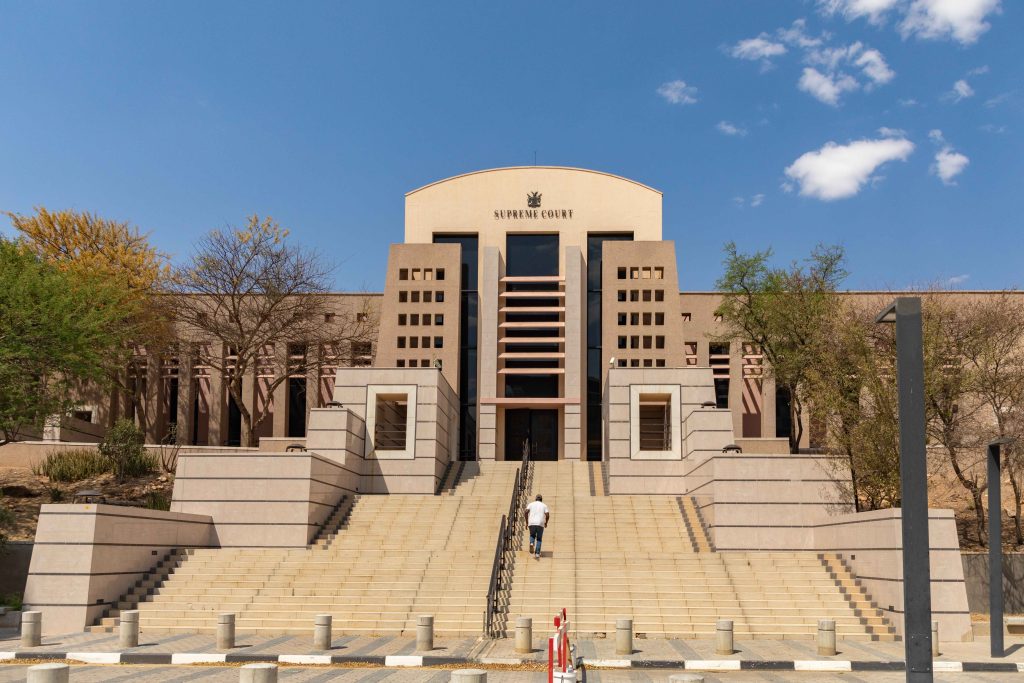
Visitors to Windhoek can explore the Christuskirche, a striking Lutheran church built in the early 20th century, or take a stroll through the Independence Memorial Museum, which chronicles Namibia’s struggle for independence. For those interested in shopping, the city offers a variety of markets where you can purchase traditional crafts and souvenirs.The food scene in Windhoek is also worth checking out. The city has many restaurants that serve both Namibian and international food. Be sure to try bobotie, a savory meat dish with a hint of sweetness, and biltong, a type of dried cured meat that is a staple in Southern African cuisine.
Visit the Coastal Haven called Walvis Bay
Located on the Atlantic coast, Walvis Bay is a natural deepwater harbor and one of Namibia’s most important ports. It is a hub for business, but Walvis Bay is also a great place for people who love nature. The lagoon is a great place to watch birds because it is home to many flamingos, pelicans, and other bird species. For adventure seekers, Walvis Bay offers a variety of water-based activities. You can go kayaking to get up close to the playful seals or take a boat tour to spot dolphins and even whales.
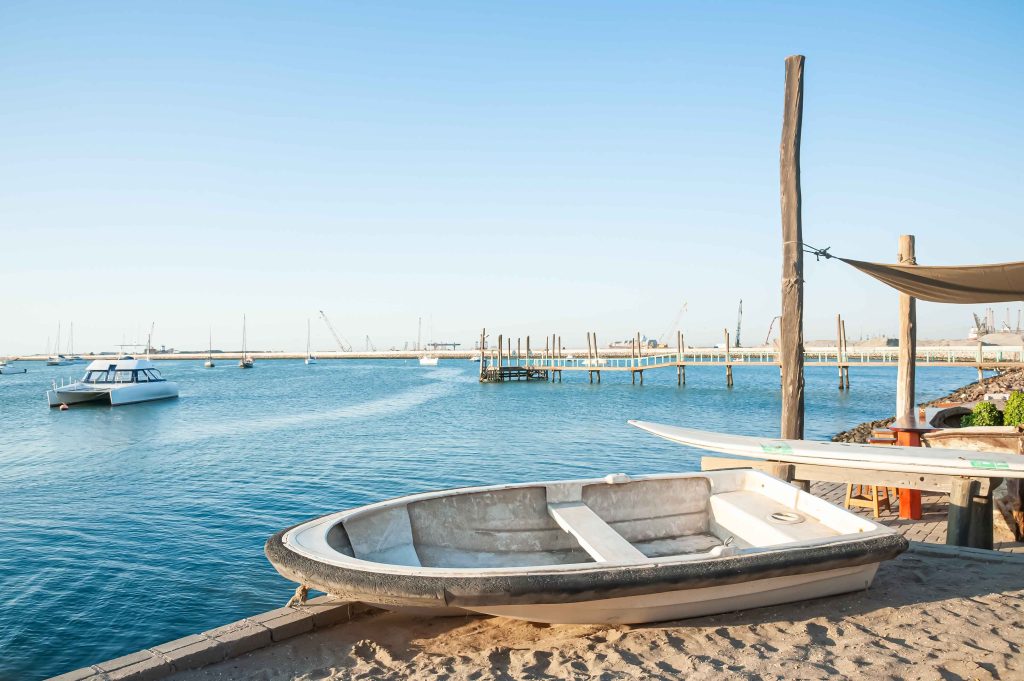
The nearby Pelican Point is famous for its large seal colony and offers stunning views of the Atlantic Ocean. Walvis Bay is also known for its excellent seafood. The town’s restaurants serve up fresh catches from the ocean, including oysters, which are considered some of the best in the world. You cannot eat in Walvis Bay without trying the seafood platter, which is a tasty mix of fish, prawns, and calamari that is all freshly made and full of flavor.
Enjoy a Slice of Germany in Swakopmund
Swakopmund is a charming coastal town that feels like a slice of Germany in the heart of Africa. With its palm-lined streets, German colonial architecture, and cool sea breeze, Swakopmund is a popular destination for both locals and tourists. The town offers a unique blend of old-world charm and modern amenities, making it a perfect spot for relaxation and exploration. It is always fun to go on an adventure in Swakopmund. The town is a base for a wide range of activities, including sandboarding on the nearby dunes, quad biking through the desert, and even skydiving for those seeking an adrenaline rush.
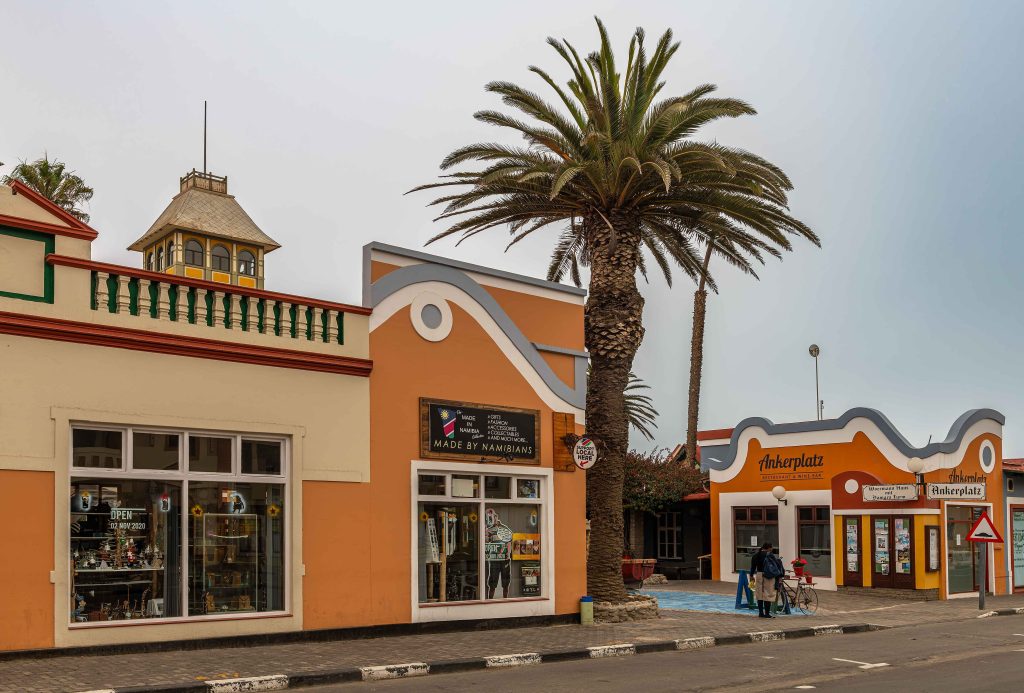
For a more relaxed time, you can take a walk on the beach or look around the town’s many shops and cafes. Swakopmund’s German heritage is also reflected in its food. The town is famous for its bakeries, where you can indulge in traditional German pastries like apfelstrudel and schwarzwälder kirschtorte (Black Forest cake). If you want something heartier, try a bratwurst with sauerkraut and a cold Namibian beer.
Explore Sossusvlei, the Sea of Sand
You can not leave Namibia without seeing Sossusvlei, a salt and clay pan surrounded by some of the world’s tallest sand dunes. Located in the middle of the Namib Desert, Sossusvlei is often called the “Sea of Sand” because it has so many red dunes that they stretch out into the distance.
The dunes at Sossusvlei are always changing shape and color, making for a stunning show that changes with the light of day. Climbing Dune 45, one of the most famous dunes in the area, is a must-do activity.
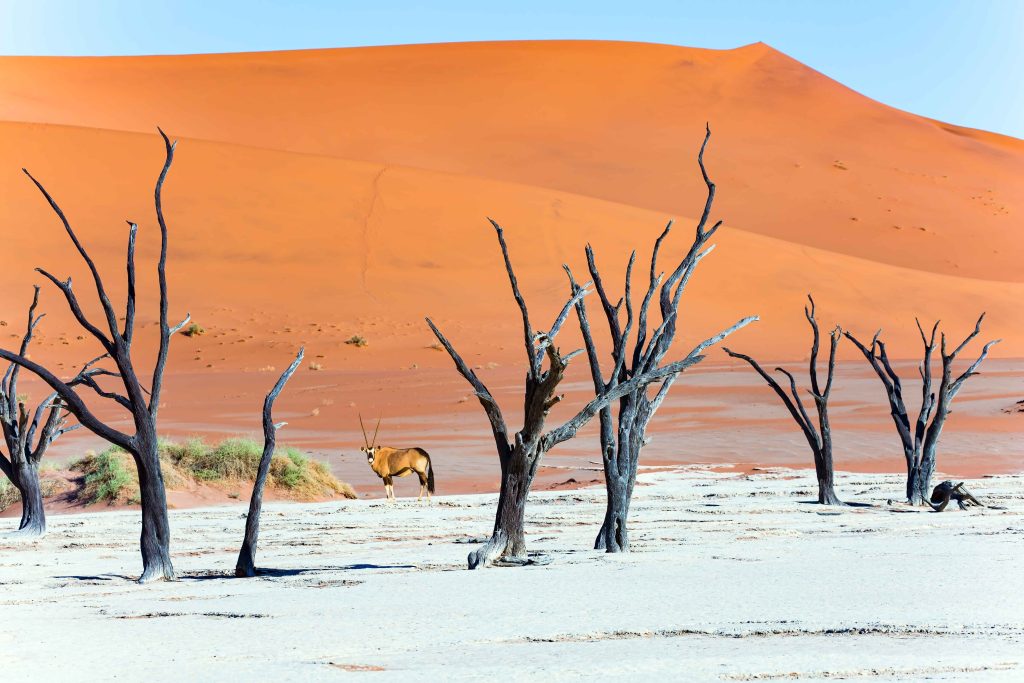
When you get to the top, you can see the most amazing view. The dunes around you make a strange landscape that is both beautiful and humbling.
There are so many beautiful places to take pictures in Sossusvlei. The deep red dunes, the stark white salt pan, and the clear blue sky make for a stunning set of colors that are perfect for taking pictures that will last a lifetime.
Get a Taste of Namibia’s Culinary Delights
As varied as Namibia’s landscapes are, so is its food scene, with a wide range of tastes that reflect the country’s multicultural history. There is food for every taste, from traditional African dishes to food with European influences. One of the most popular dishes in Namibia is potjiekos, a slow-cooked stew made with meat, vegetables, and spices. This dish is usually cooked over an open fire in a cast-iron pot. The result is a hearty, flavorful meal that is great for sharing.
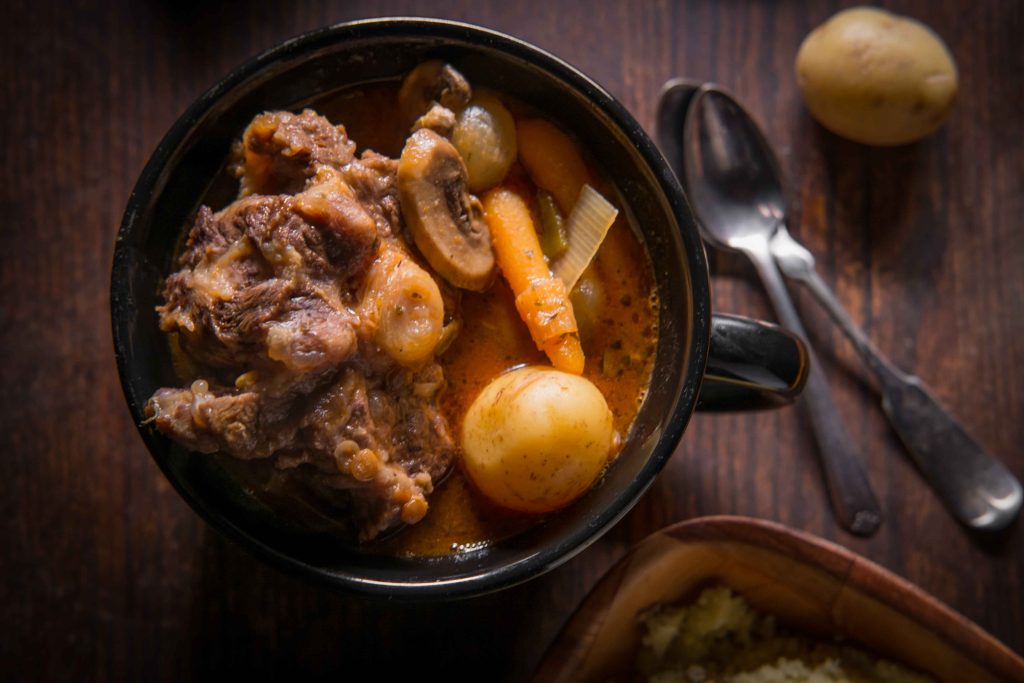
Kapana, a popular street food, features grilled meat (usually beef) seasoned with various spices and served with salsa. Kapana is often sold at stands along the road, and it is a cheap and tasty way to try local flavors.
For a taste of the sea, Namibia’s coastal towns offer some of the freshest seafood in Africa. In addition to the aforementioned oysters, you can enjoy dishes like grilled lobster, kingklip (a type of fish), and mussels.
Most of the time, these dishes are made with simple spices that let the seafood’s natural flavors shine through.
Visit and Explore Namibia’s Spectacular Landscapes
Namibia is home to some of the most dramatic landscapes on earth. The Namib Desert, one of the oldest deserts in the world, stretches along the Atlantic coastline, offering an endless expanse of rolling dunes that change colors with the shifting light of day. As mentioned before, the Sossusvlei region, with its towering red sand dunes, is a photographer’s paradise and a place where you can witness the raw beauty of nature. The Skeleton Coast, often referred to as the “Gates of Hell,” is another must-visit. This desolate but hauntingly beautiful stretch of coastline is full of shipwrecks from a time when the water was dangerous and many ships sank.
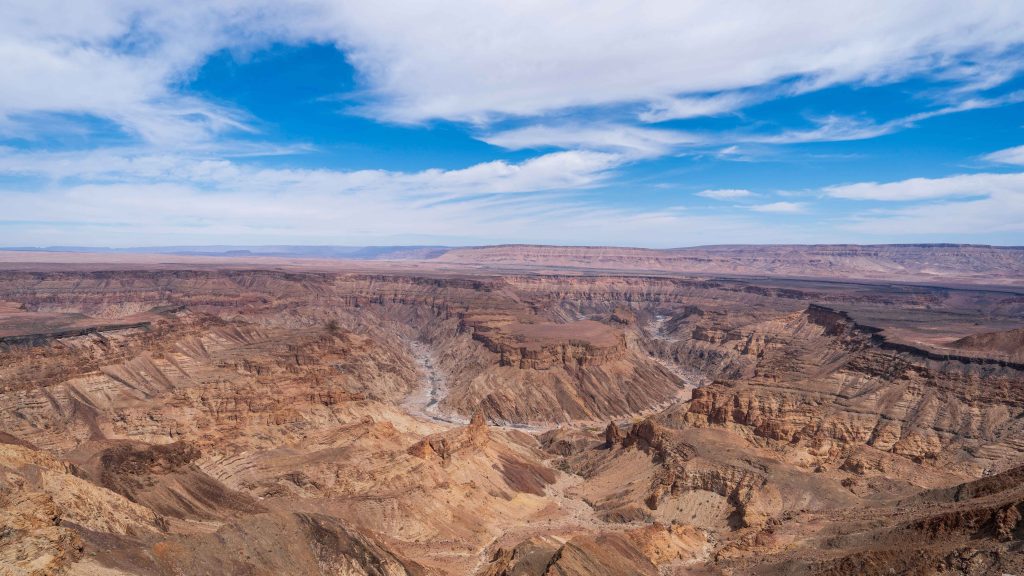
The eerie fog that often covers the coast makes it a place that people both love and respect. Further inland, the Fish River Canyon beckons with its grand scale, rivaling the Grand Canyon in size and splendor. This natural wonder is Africa’s largest canyon. It has stunning views and difficult hiking trails for people who like to take risks. If you want to relax, the calm atmosphere of the canyon is ideal for meditation and getting in touch with nature.
Spot the Big Five
Namibia has an unmatched dedication to protecting wildlife, making it a great place for people who love animals. Many of the species that live in the country cannot be found anywhere else on Earth. One of the best places to see wildlife in Africa is Etosha National Park. You can go on exciting safaris to see the Big Five: lions, elephants, rhinoceroses, leopards, and buffalo. The park’s unique salt pans attract a variety of animals, making it a prime location for wildlife photography.
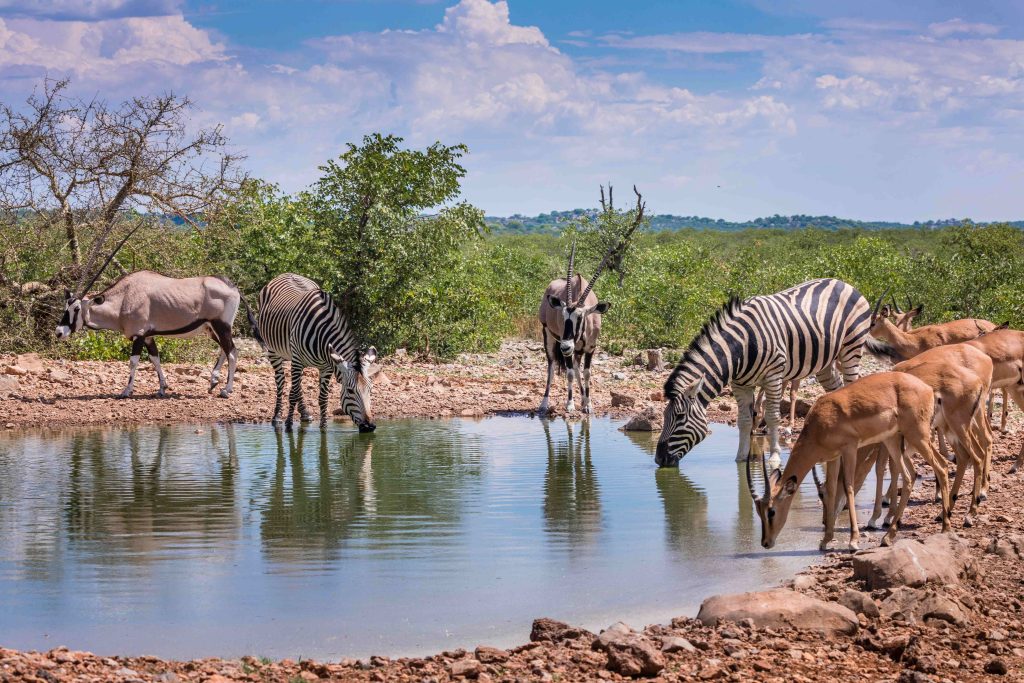
Namibia is also a pioneer in community-based conservation, with initiatives that empower local communities to protect and manage their natural resources. The Conservancy Program has been a game-changer, helping to increase wildlife populations while providing economic benefits to rural communities. You can support these efforts by going on eco-friendly tours that let you see wildlife in its natural environment while also helping to make tourism more sustainable.
One of Namibia’s most impressive conservation achievements is its work to protect the black rhinoceros. These beautiful animals were almost extinct, but now they do very well in the country’s remote areas thanks to hard work by conservationists. Namibia is one of the few places in the world where you can see these amazing animals in the wild, which shows how important it is to protect them.
Get a Glimpse of Namibia’s Indigenous Cultures
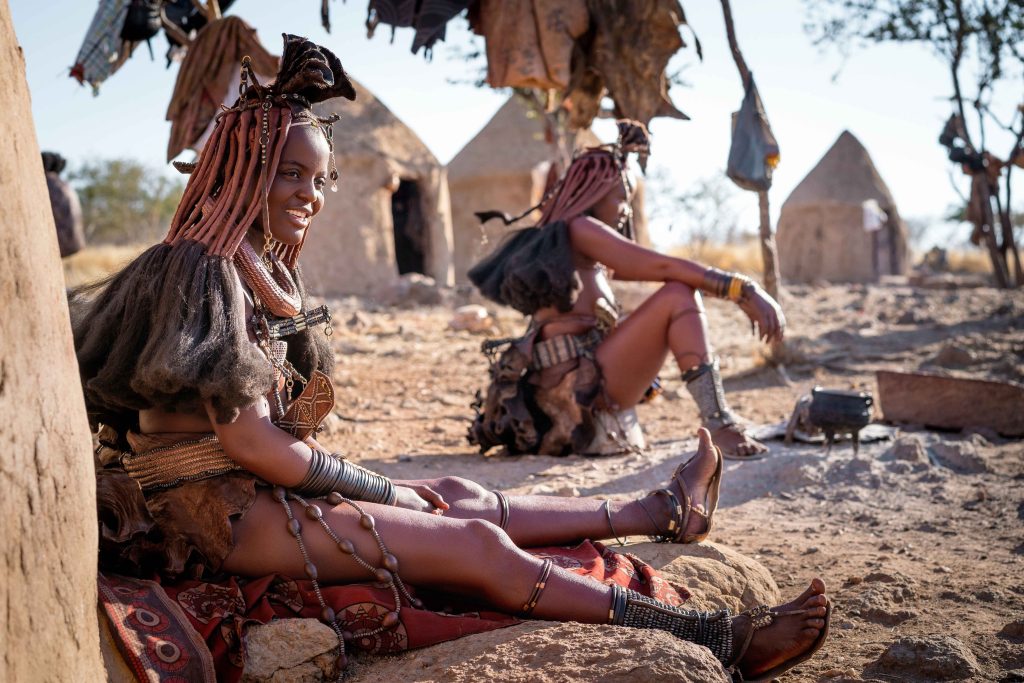
Namibia’s cultural diversity is as impressive as its natural landscapes. The country is home to numerous indigenous communities, each with its own distinct traditions and way of life. The Himba people, known for their striking appearance with ochre-covered skin and intricate hairstyles, offer a glimpse into a way of life that has remained largely unchanged for centuries. Visiting a Himba village is a humbling experience, providing insight into the resilience and adaptability of this ancient culture.
The San people, often referred to as the “Bushmen,” are another indigenous group with deep roots in Namibia. As one of the oldest cultures on the planet, the San have a profound connection to the land, living in harmony with nature. You can go on a guided tour to learn about their traditional ways of hunting and gathering, as well as their rich history and storytelling traditions.
Besides its buildings and cultural sites, Namibia’s colonial past is also clear. With its German colonial buildings, the coastal town of Swakopmund is a one-of-a-kind mix of African and European styles. The town’s easygoing vibe and lively arts scene make it a great place for travelers who want to relax and learn about other cultures.
Indulge in Adventurous Activities
For those who crave adventure, Namibia offers a plethora of activities that cater to all levels of adrenaline. Sandboarding down the dunes of the Namib Desert is an exhilarating experience that combines the thrill of speed with the stunning backdrop of one of the world’s most iconic landscapes. Quad biking is another popular activity, allowing you to explore the vast desert terrain at your own pace. The coastal waters of Namibia are ideal for fishing and seal-watching tours, offering an up-close encounter with marine life.
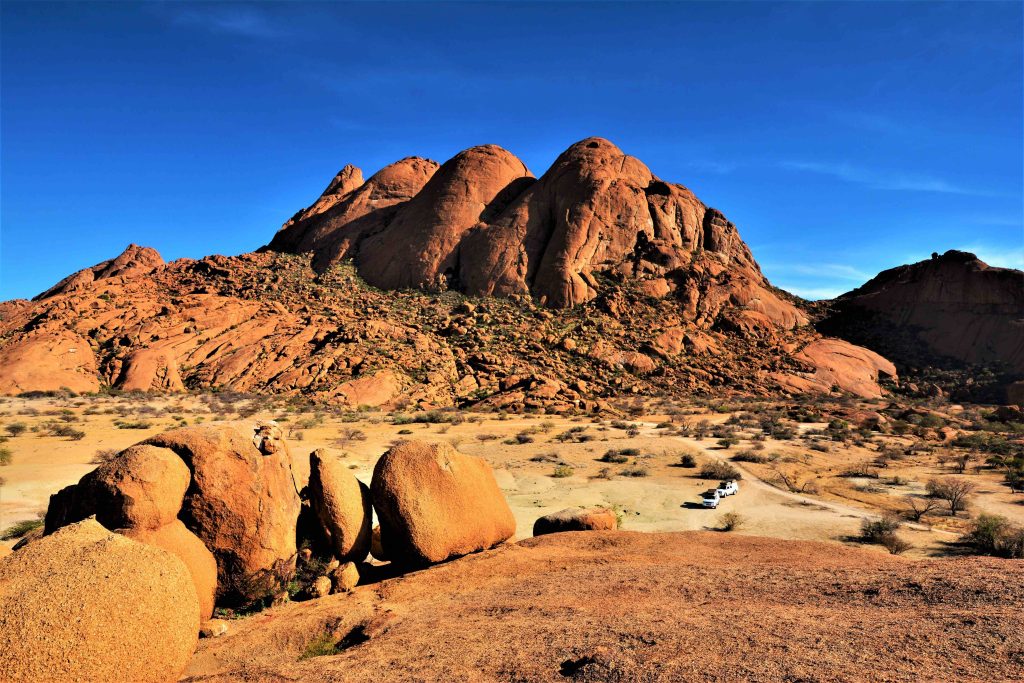
For the more adventurous, skydiving over the Namib Desert provides a breathtaking perspective of the dunes from above, a once-in-a-lifetime experience that is sure to leave you in awe. Namibia has a lot of hiking trails, from the difficult climb up Brandberg Mountain, which is the country’s highest peak, to the easier walks in the Spitzkoppe, which is sometimes called the “Matterhorn of Namibia.” While these hikes are hard on the body, they reward you with stunning views and the chance to see rock art that is thousands of years old.
Go Stargazing in the Namibian Night Sky
Namibia is a paradise for stargazers, with some of the clearest skies in the world. The country is a great place to see the stars at night because it has few buildings and a lot of open space. Sossusvlei, with its remote location, is one of the best places to experience the Milky Way in all its glory. The NamibRand Nature Reserve is also a designated Dark Sky Reserve, offering unparalleled stargazing opportunities.
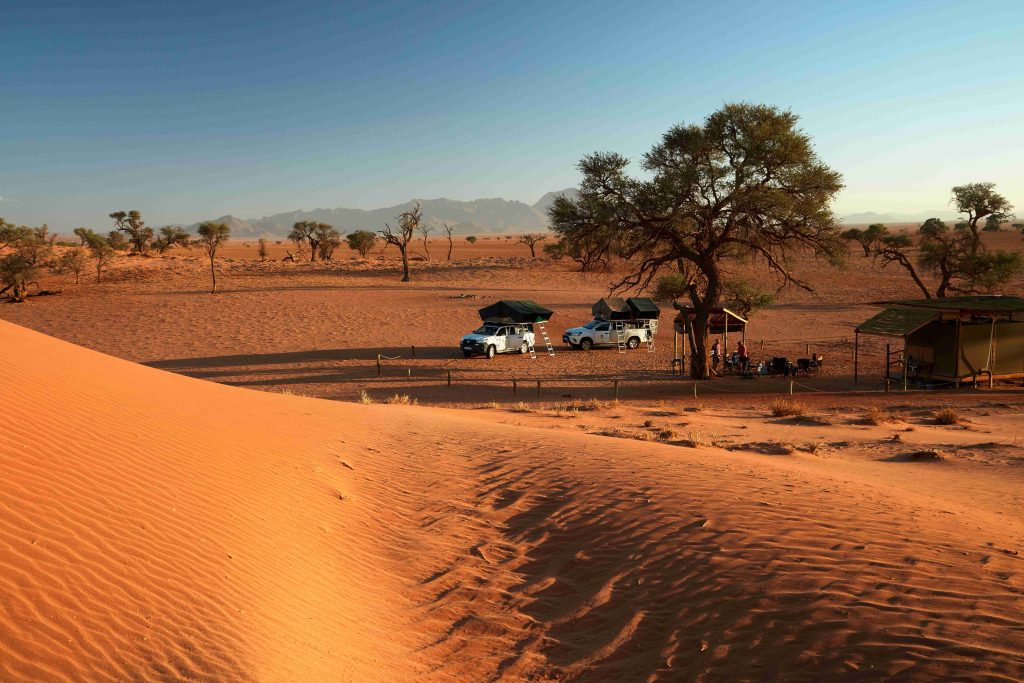
Several lodges and campsites in Namibia offer guided astronomy tours for people eager to learn more about the universe. These tours are not only a visual treat, but they also help you learn more about the stars and constellations that have fascinated people for thousands of years.
Namibia is a place that has a lot to offer, from the busy streets of Windhoek to the peaceful sands of Sossusvlei. It should be on every traveler’s bucket list because it has such a wide range of landscapes, wildlife, and cultures. Now you know why Namibia should be on your bucket list.
You might also like to read
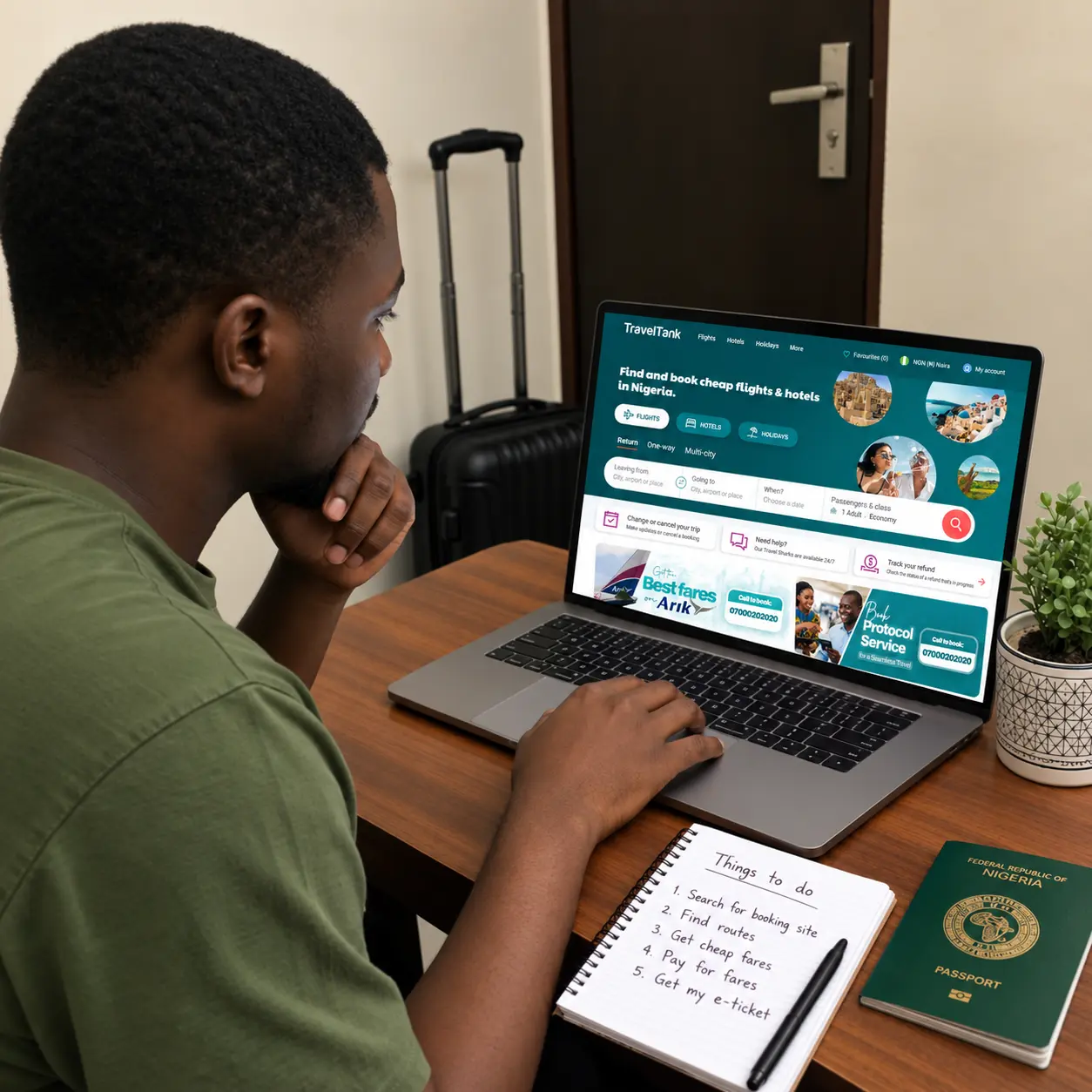
How to Book a Flight Online: A Step-by-Step Guide.
Reading Time: 19 minutesBooking a flight online is simply the process of searching for available flights to your destination, choosing the option that fits your schedule and budget, entering passenger details, paying or reserving the fare, and receiving a booking reference or e-ticket. For many people, the entire process can be quick when documents and payment are ready, […]


Markup-vs-commission-based-travel-affiliate-programs: What’s the Difference?
Reading Time: 8 minutesHave you ever wondered why some travel agents earn more than others? The secret often lies not in their follower count but in their choice of travel affiliate programs. Last year, a Lagos-based travel blogger spent six months promoting international hotel bookings through a commission-based travel affiliate program. She earned ₦180,000 total. Her friend, who […]

How to Earn ₦500,000/Month Reselling Flights and Hotels Online in Nigeria
Reading Time: 9 minutesThink about the last time someone you know booked an international flight. Did they do it alone? Or did they ask someone for help? Most travellers prefer booking tickets through a trusted person. Someone who can explain the prices, the visa requirements, and whether that stopover in Istanbul needs a transit visa. That person can […]