
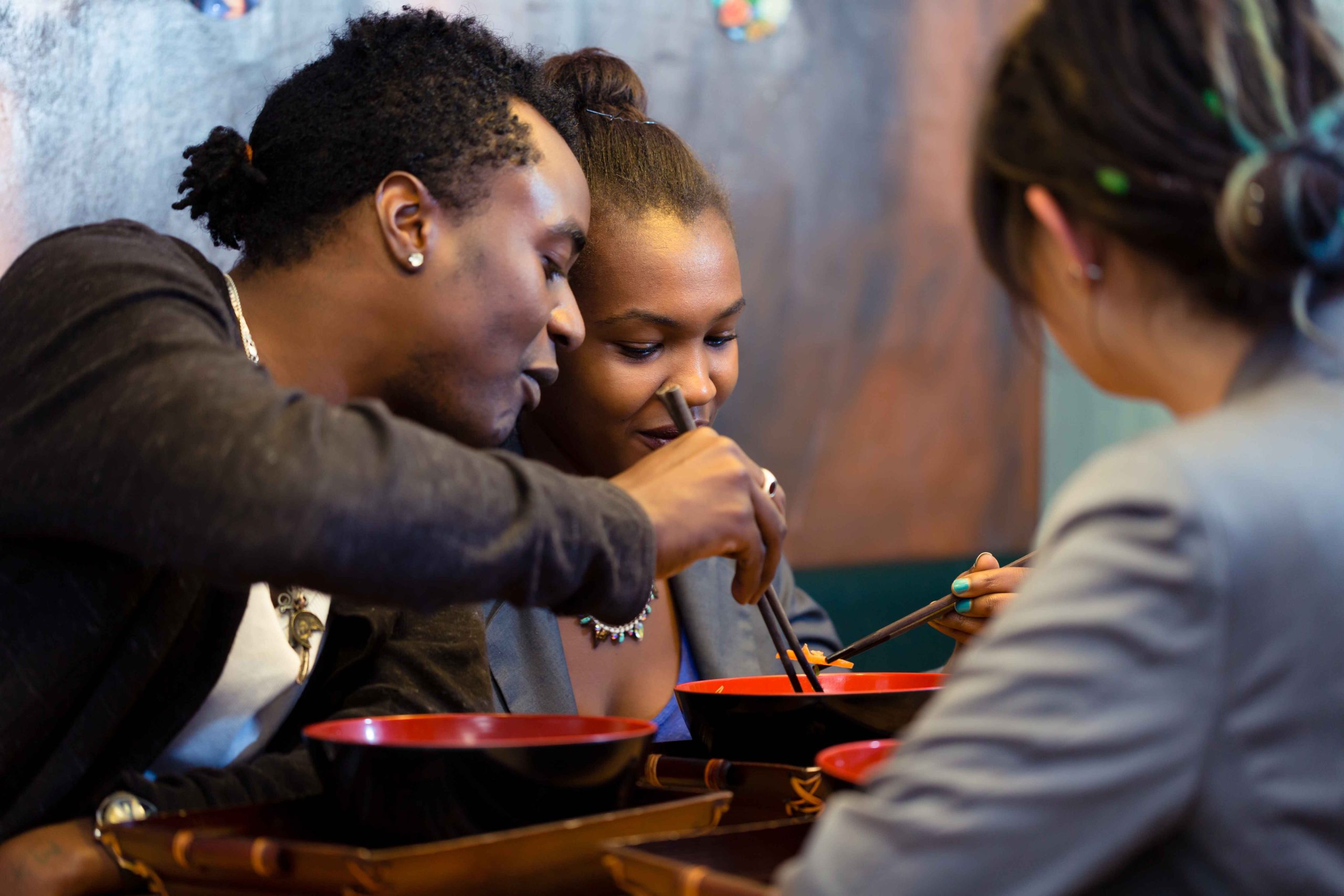
he Have you ever found yourself in a place where everything felt so different? From the food to the customs, the language to the lifestyle, it’s like stepping into an entirely new world. This feeling of disorientation and surprise is often referred to as culture shock. There are big differences in culture between Africa and Japan, which can make moving there both exciting and confusing. Japan is a fascinating and challenging place for Africans to move to because of its rich history and unique culture. Due to the big differences in customs, social norms, and daily routines, getting used to life in Japan can be hard. Let’s explore the biggest culture shocks for Africans in Japan as first-timers.
1. Language Barrier
One big problem for Africans in Japan is that they do not speak the language. In many African countries, English or French is spoken by many people. But in Japan, Japanese is the main language and most people only speak it. Japanese is hard to learn because it has three different writing systems: Hiragana, Katakana, and Kanji.

It can be hard to do everyday things like shopping, taking the bus, or even ordering food if you do not know basic Japanese. This lack of language overlap makes many Africans feel alone and frustrated a lot of the time.
2. Strict Social Etiquette
Japanese culture is based on traditions and strict rules of behavior, which can be hard for Africans to understand. The culture is also based on politeness and respect, and there are complex rules about everything from how to greet someone to how to eat. One common way to greet someone is to bow, and the depth of the bow can show how much respect is being shown.

Aside from that, people often value silence over small talk, and there are unspoken rules about how to act in public places. This is very different from African cultures, which are more open and social.
3. Work Culture
It is common for Japanese people to work long hours and hard. In Japan, the idea of “karoshi,” which means death from too much work, is not unknown. Africans are used to having a better work-life balance, so this can be a shock. In Japan, workers are expected to be completely dedicated to their jobs, and they often work late at night and even on the weekends.
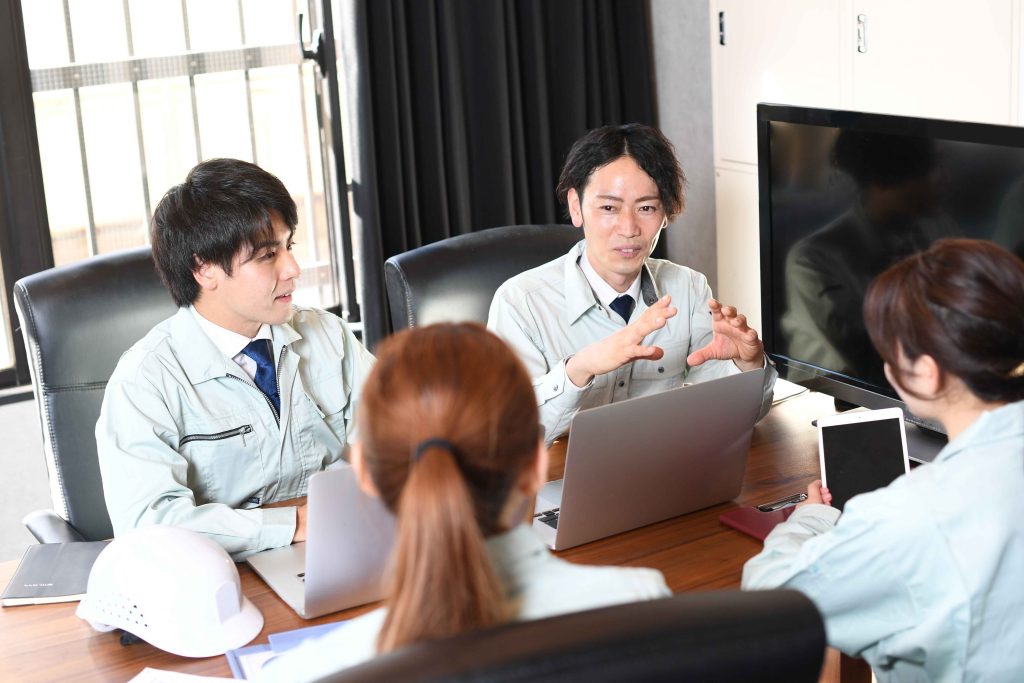
Japanese companies are very hierarchical, so people higher up are respected, and questioning authority is often seen as rude. This may be different from the more flexible work environments that some Africans are used to.
4. Punctuality
Being on time is not only a virtue in Japan; it is a must. Japanese think it is rude to be even a few minutes late, and it can hurt your personal and professional relationships. This focus on being on time is very different from how people in many African countries treat time, where events may begin later than planned.

This strict sense of time can be one of the hardest things for Africans to get used to in Japanese society.
5. Japanese cuisine
The food in Japan is very different from African food because it usually includes seafood, rice, and vegetables. Japanese people eat a lot of sushi, sashimi, and miso soup, which Africans who are used to eating spicier and heartier foods might not know or even like.
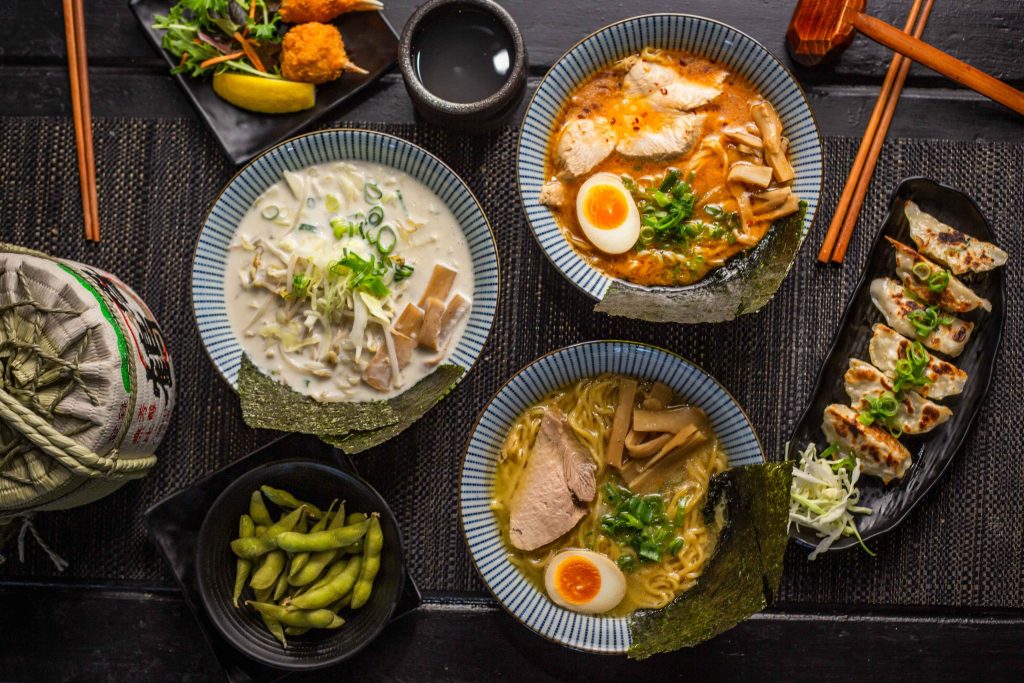
It can also be hard and expensive for Africans to find familiar ingredients in Japan, which makes it hard for them to stick to their traditional diets. For Africans who have religious or cultural food restrictions, it can be hard to eat because they do not know how to handle raw seafood and because Japanese food often has pork in it.
6. Housing
any people find Japanese housing unfamiliar because of limited space and unusual living customs. When compared to African homes, Japanese homes, especially those in cities, are known for being small, with fewer rooms and lower ceilings.

Africans who value privacy may also find it strange that public bathhouses, called “onsens,” have bathrooms that are shared. Some older Japanese homes do not have central heating, which can also be strange for people who are used to warmer weather.
7. The Omotenashi Hospitality Culture
A unique way of showing hospitality in Japan called “Omotenashi” goes beyond just serving guests and includes thinking about what they might need and being genuinely kind. This can be a good thing, but it can also be too much for Africans who are not used to such elaborate and formalized hospitality.

The careful attention to detail and the expectation that guests should show the same level of appreciation can be too much for people who are not used to these traditions, and they can be hard to follow.
8. The Challenge of Making Friends
Japanese people tend to be shy, which can make it hard for Africans to make friends and social connections there. While Japanese people are usually friendly and willing to help, they do tend to be wary of strangers, especially those from other cultures.

This can make Africans feel alone because it may take longer for them to make real friends in Japan. The language barrier makes this problem even worse, making it harder to have deep conversations and make friends.
9. Technological Advancements
Japan is at the cutting edge of new technology. Everyday life there includes high-speed internet, cutting-edge gadgets, and advanced robotics. But Africans, especially those from places where technology is not as common, can find this level of sophistication scary.
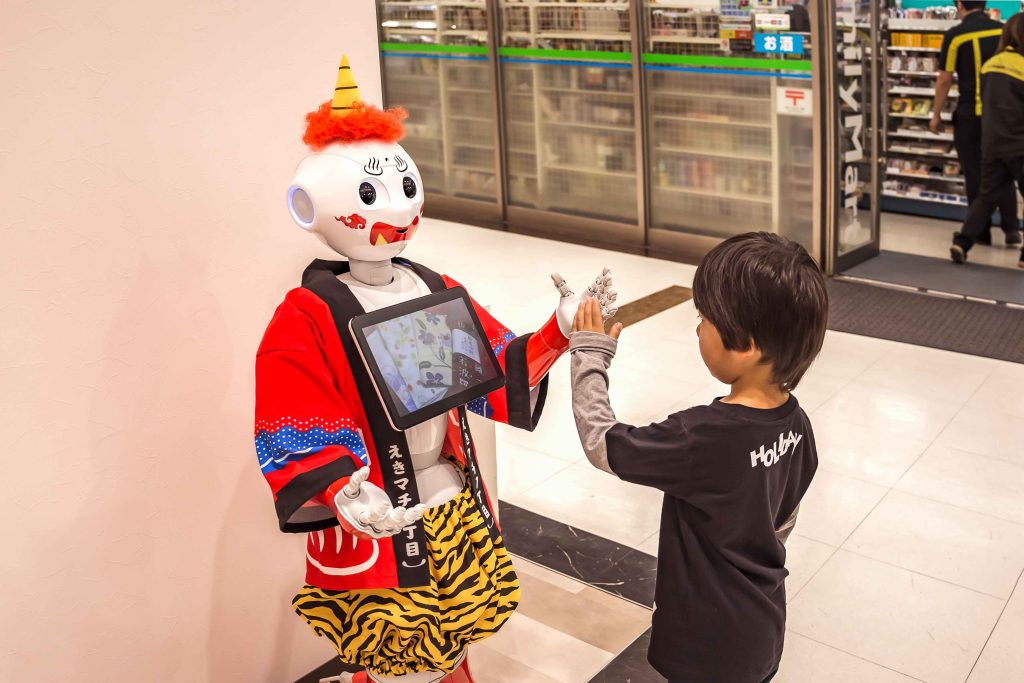
It’s a cashless environment. Vending machines sell everything. Automation is everywhere. It takes time and a willingness to learn new systems and devices to get used to this high-tech world.
10. The Art of Orderliness
The Japanese public transportation system is renowned for its punctuality, cleanliness, and organization. But for Africans, the strict rules and expectations can be strange. There is an unspoken rule that people should be quiet on trains. It is rude to talk loudly or on the phone.

People also strictly follow the idea of queuing for everything, from getting on a bus to entering a store. This is different from how people behave in public in many African countries, where they are more casual.
Moving from Africa to Japan is without a doubt a big cultural change that comes with a lot of challenges and surprises. These experiences help us grow, learn about different cultures, and discover Japan’s unique traditions. Africans can enjoy Japan by staying open-minded and adaptable.
You might also like to read
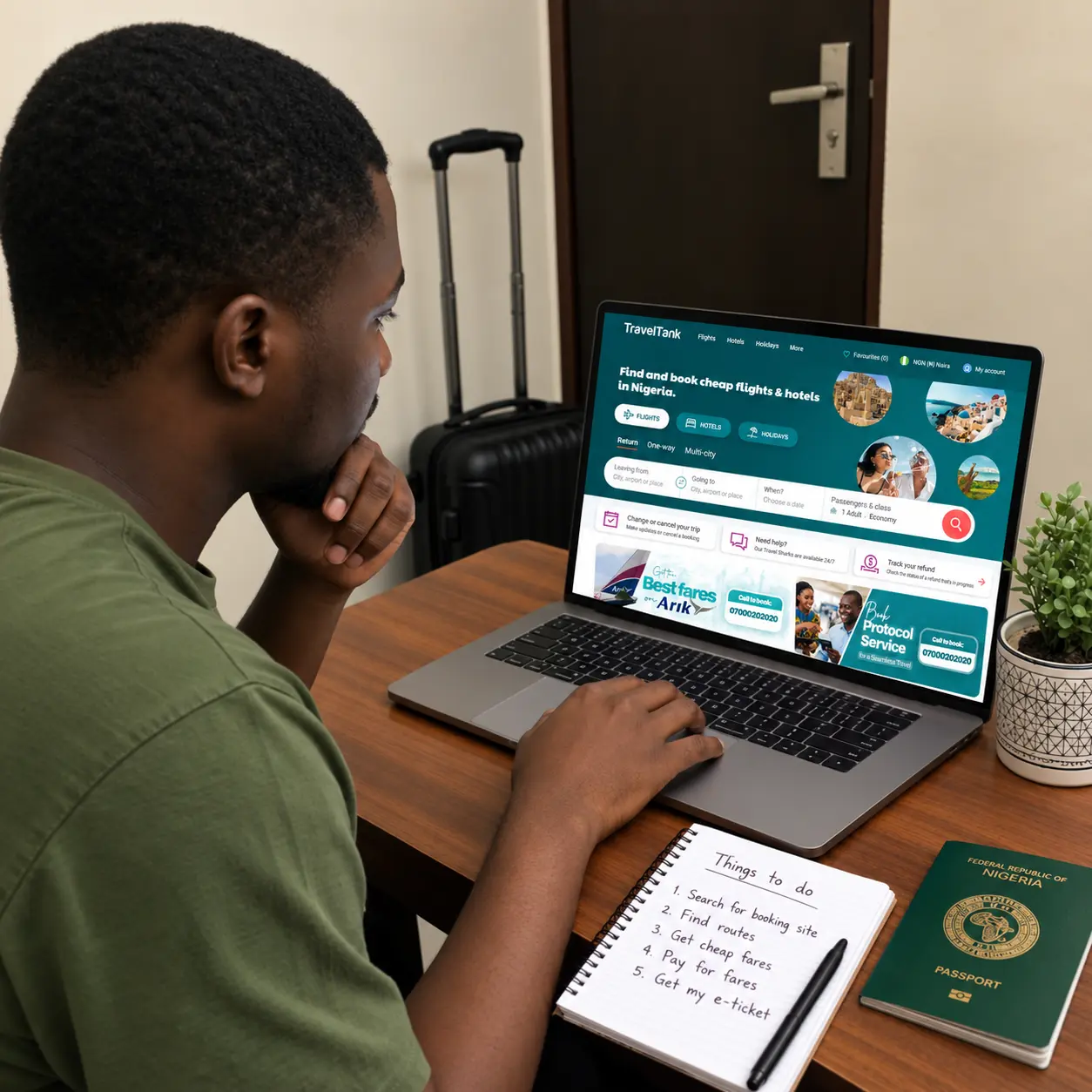
How to Book a Flight Online: A Step-by-Step Guide.
Reading Time: 19 minutesBooking a flight online is simply the process of searching for available flights to your destination, choosing the option that fits your schedule and budget, entering passenger details, paying or reserving the fare, and receiving a booking reference or e-ticket. For many people, the entire process can be quick when documents and payment are ready, […]


Markup-vs-commission-based-travel-affiliate-programs: What’s the Difference?
Reading Time: 8 minutesHave you ever wondered why some travel agents earn more than others? The secret often lies not in their follower count but in their choice of travel affiliate programs. Last year, a Lagos-based travel blogger spent six months promoting international hotel bookings through a commission-based travel affiliate program. She earned ₦180,000 total. Her friend, who […]

How to Earn ₦500,000/Month Reselling Flights and Hotels Online in Nigeria
Reading Time: 9 minutesThink about the last time someone you know booked an international flight. Did they do it alone? Or did they ask someone for help? Most travellers prefer booking tickets through a trusted person. Someone who can explain the prices, the visa requirements, and whether that stopover in Istanbul needs a transit visa. That person can […]